Trump Faces Backlash Over Waiving Russia Sanctions
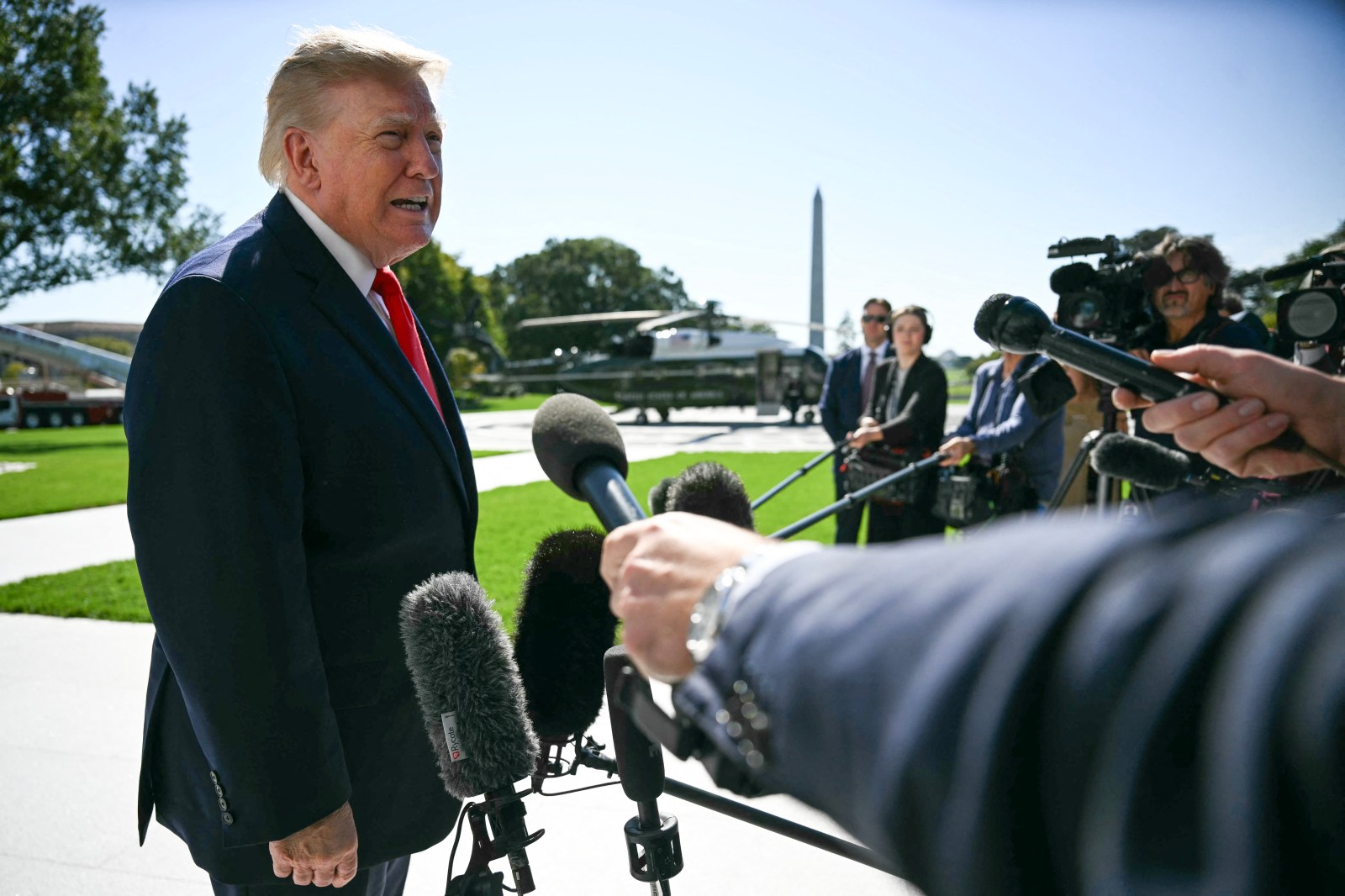
President Donald Trump is encountering criticism from Republican lawmakers after waiving key measures in a sanctions law against Russia. The law, signed by Trump last month, was meant to exert pressure on Moscow.
On Friday evening, Trump signed an executive order granting waivers for sanctions and tariffs aimed at pressing Russia to cease its war in Ukraine, which commenced in February 2022. This decision has drawn criticism from both parties and Ukrainian President Volodymyr Zelensky. A senior Russian official, however, praised it.
Reactions from Republican Lawmakers
Senator Thom Tillis of North Carolina described the decision as “beyond irresponsible.” He emphasized the Senate’s support for the law, passed with a vote of 86-11, and accused the administration of yielding to a Russian dictator.
Representative Don Bacon from Nebraska suggested Trump’s decision prolongs the conflict rather than resolving it.
The Lindsey O. Graham Sanctions Law
The law was crafted to increase pressure on Moscow by targeting Russian officials, banks, and oil and gas transport networks. Senator John Cornyn of Texas noted that the late Senator Lindsey Graham, who inspired the law, would have been appalled by the waiver.
Governor Kevin Stitt of Oklahoma expressed concerns that the proposal could extend the war in Ukraine, while not significantly reducing fuel prices.
The White House Perspective
White House spokeswoman Taylor Rogers stated that Trump negotiated a deal to supply global markets with large amounts of diesel, aiming to lower prices for American farmers, truckers, and families. The administration seeks to prevent strikes on refineries which elevate costs.
Patrick Casale, adviser to Nevada GOP chairman Michael McDonald, defended the decision as a strategy to reduce fuel prices and push for an end to the Ukraine conflict. He criticized Republicans opposing Trump’s move.
The Executive Order Details
The executive order waives specific sanctions and tariffs outlined in the Lindsey O. Graham Sanctioning Russia and Iran Act of 2026. This includes a 500 percent tariff on Russian imports and potential tariffs on major importers of Russian energy.
Trump communicated to Congress that the waiver aligns with national interests. He emphasized efforts to end the war between Russia and Ukraine in his speech at the United Nations.
International Reactions
Ukrainian President Zelensky criticized the U.S. decision for undermining efforts to pressure Russia. He cited significant Russian attacks on Ukraine’s energy facilities resulting in casualties.
Conversely, a Russian envoy lauded Trump’s move as historic.
Democrats Condemn the Waiver
Senate Minority Leader Chuck Schumer criticized Trump for bolstering the Russian economy, while Senator Richard Blumenthal accused him of siding with a “bloodthirsty thug” over American allies.
Connection to Russian Diesel Deal
The waiver follows Trump’s announcement of a diesel deal with Russia. Lawmakers from both parties argue that easing energy restrictions could provide Moscow with additional revenue to support its war efforts.
A bipartisan group of senators urged Trump to retract the diesel deal, calling it a threat to American security and a betrayal of Ukraine and allies.
The executive order does not specifically address the diesel deal, nor has a direct connection been established with the sanctions waivers.