Americans Urged to Be Cautious of Vibrio Vulnificus During July 4 Beach Visits
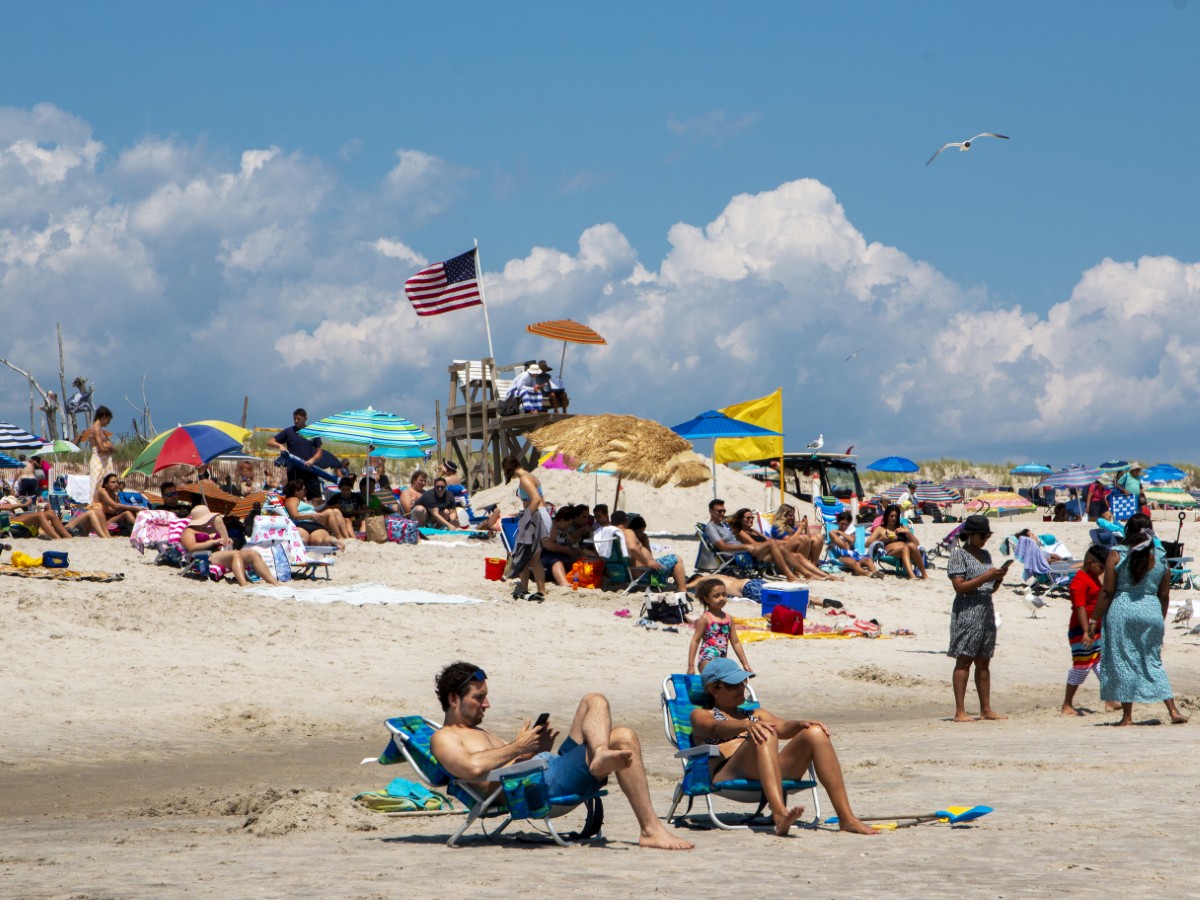
In anticipation of the July 4 holiday, Americans planning trips to coastal areas have been advised to take precautions. Local authorities have warned about Vibrio vulnificus, a bacterium with the potential to be deadly, sometimes referred to as ‘flesh-eating bacteria.’ This bacterium could be present in New York’s coastal waters.
The Southampton Town Trustees issued a cautionary statement in April. They informed residents and visitors that this marine bacterium naturally occurs in warm saltwater and brackish environments, especially during the summer. While infections are rare, they can rapidly become severe in individuals with vulnerabilities. According to the Centers for Disease Control and Prevention (CDC), approximately one in five people who contract Vibrio vulnificus infection may die from life-threatening complications, often within a day or two of the infection.
Millions of Americans are expected to visit beaches during this busy holiday weekend. Beachgoing ranks high among the most popular July 4 activities. Historically, Vibrio vulnificus affected primarily the southeastern coast of the United States. However, its presence has been moving northward, partly due to warming coastal waters. New York has reported cases previously considered unusual in this region.
Warning from Southampton Town Trustees
The trustees clarified that the presence of the bacteria doesn’t imply pollution or a public health crisis. Most infections occur when open wounds come in contact with contaminated water. Those with underlying health issues or weakened immune systems face heightened risks and should exercise extra caution.
The advisory from Southampton doesn’t equate to beach closures, nor does it imply beaches are considered unsafe for swimming. As of publication, there were no specific beach closures on Long Island or New York beaches due to Vibrio vulnificus. Newsweek reached out to the New York State Department of Health for comments.
Areas Under Monitoring
Popular spots like Jones Beach, Robert Moses State Park, Fire Island National Seashore, Coopers Beach, Main Beach (East Hampton), Long Beach, and Orchard Beach are under regular water quality monitoring, not specific to Vibrio. However, detections from the April study by Stony Brook took place in brackish areas like Mecox Bay, Sagaponack Pond, and Georgica Pond.
For updated conditions, check resources such as:
- New York State Department of Health beach water reports
- Suffolk County Department of Health Services
- Nassau County Department of Health
- Local town or county websites for closures, advisories, and conditions
Understanding Vibrio Vulnificus
Vibrio vulnificus thrives in warm coastal and estuarine waters, often where salt and freshwater mix. Infections can occur from contact with contaminated water through open wounds or from consuming raw or undercooked shellfish, particularly oysters.
Symptoms of wound infections include redness, swelling, severe pain, and skin discoloration. If it enters the bloodstream, symptoms can include fever, chills, and dangerously low blood pressure. Officials recommend seeking immediate medical care if symptoms surface.
Those with compromised immune systems, such as individuals with liver disease, cancer, or those undergoing immune-suppressing therapy, face increased risks. Antibiotics treat severe or extended Vibrio infections. In some cases, surgery or amputation might be needed to remove infected tissue.
Climate Change and Rising Infections
Researchers have linked rising Vibrio vulnificus infections with climate change impacts. Elizabeth Archer, from the University of East Anglia, has also noted these increasing trends. The CDC reports 100 to 200 cases of Vibrio vulnificus yearly; current surveillance data extends only to 2024.
Alerts from Other States
New York is not alone in issuing warnings; Florida’s health officials reported nine confirmed cases this year, already surpassing previous year figures at this point. In Mississippi, a public alert followed a severe infection hospitalization related to a fishing trip.
The Mississippi State Department of Health advised avoiding brackish water if you have open wounds. If contact is unavoidable, cover wounds with a waterproof bandage, wash immediately after exposure, and seek medical help if symptoms emerge.