H-1B Visa Renewals Expected to Reach Record High in Fiscal Year 2026
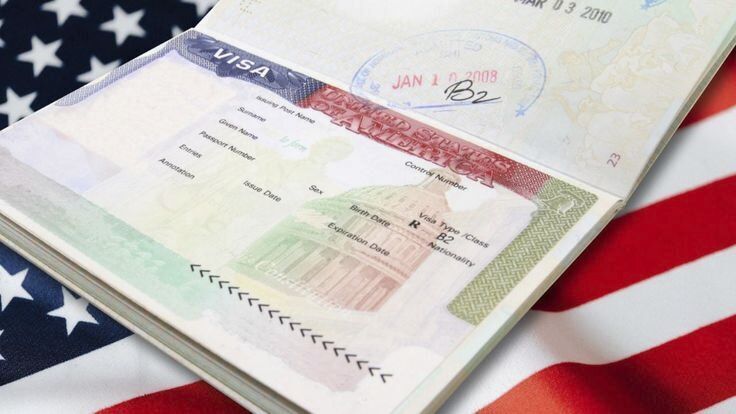
The renewal of H-1B visas is projected to hit an unprecedented peak by the end of fiscal year 2026, as analyzed from U.S. government data. This increase in renewals arises amid the Trump administration’s efforts to tighten the criteria for the high-skilled worker program.
Analysis by LayoffHedge, a workforce analytics firm, reveals that 273,026 H-1B petitions for continuing employment have been approved within the first nine months of fiscal year 2026, spanning October 2025 to September 2026. This number is close to the record 291,542 renewals approved in fiscal year 2025, with three months remaining.
Despite attempts by President Trump’s administration to enforce a $100,000 fee on new H-1B petitions filed for international workers, the measure was halted by a federal judge in June. The administration also aims to replace the random H-1B lottery with a wage-weighted system to favor higher-paid applicants.
Understanding H-1B Figures
While some experts believe the figures demonstrate the expanding scale of H-1B activity outside the annual visa cap, others suggest a cautious interpretation. These numbers reflect petition approvals, not unique workers, and may involve extensions, transfers, or amendments.
Data comprising “continuing employment” petitions focus on extensions and renewals for workers already in the U.S. on H-1B visas, differing from new approvals through the lottery. USCIS distinguishes “initial employment” petitions—subject to the annual cap—and “continuing employment” petitions, which aren’t capped.
LayoffHedge assembled the data using the USCIS’s H-1B Employer Data Hub and past approval data from the Pew Research Center. Pew’s historical series from fiscal years 2000-2023 originated from information obtained via a Freedom of Information Act request.
Nearly 400,000 H-1B petitions were approved in fiscal year 2024, with 258,196, about 65%, being renewals or extensions for existing H-1B workers, according to Pew Research Center.
Sahana Mukherjee, Pew’s Associate Director of Race and Ethnicity Research, noted the referenced figures illustrate petition approvals instead of individual workers and that “renewals” denote “continuing employment” approvals. This category includes renewals, employer changes, and other application updates. Mukherjee emphasized that the data pertains to petitions and not individual workers.
Expert Views on H-1B Analysis
Jiaxin He, a research assistant at the Economic Innovation Group, conveyed to Newsweek that some continuing employment figures combine various petition categories. Referring to fiscal year 2025 approvals, He stated that only 118,194 are real renewals, while the other 173,000 reflect job changes, promotions, employer transfers, or status amendments.
He argues interpreting continuing employment approvals as unique workers leads to overcounting. Instead, consider it as petition events related to existing H-1B workers.
Kevin Lynn, founder of U.S. Tech Workers, shared with Newsweek that approval stats shouldn’t be equated with unique workers since multiple approved petitions can be linked to one H-1B holder over time. Lynn mentioned the public hears “85,000,” but active H-1B worker stock significantly exceeds that figure.
Lynn stressed that continuing employment approvals cover extensions, amendments, and employer transfers and be approached as “continuing employment petition events,” not labor market additions.
The data signifies a substantial part of the H-1B system functions outside the annual cap, with renewals, extensions, transfers, and cap-exempt petitions bypassing the 85,000 limit. Lynn highlighted these exemptions let many H-1B workers enter the labor market beyond the cap, challenging its intended purpose and creating regulatory inconsistencies among employers.
Details of the H-1B Visa Program
The H-1B visa facilitates U.S. employers in employing foreign workers for specialty roles demanding specialized knowledge and a bachelor’s degree or equivalent experience. Predominantly utilized in technology, it also supports hiring in engineering, health care, finance, and research fields.
Fiscal year 2026, with nearly 19,000 more approvals, would exceed last year’s record, achieving the highest number for H-1B renewals despite ongoing legal and political controversies surrounding the visa program’s future.
Contact Newsweek editors on this story: John Fitzpatrick and Shakeema Edwards.