Analyzing Hostility Toward Caitlin Clark in the WNBA
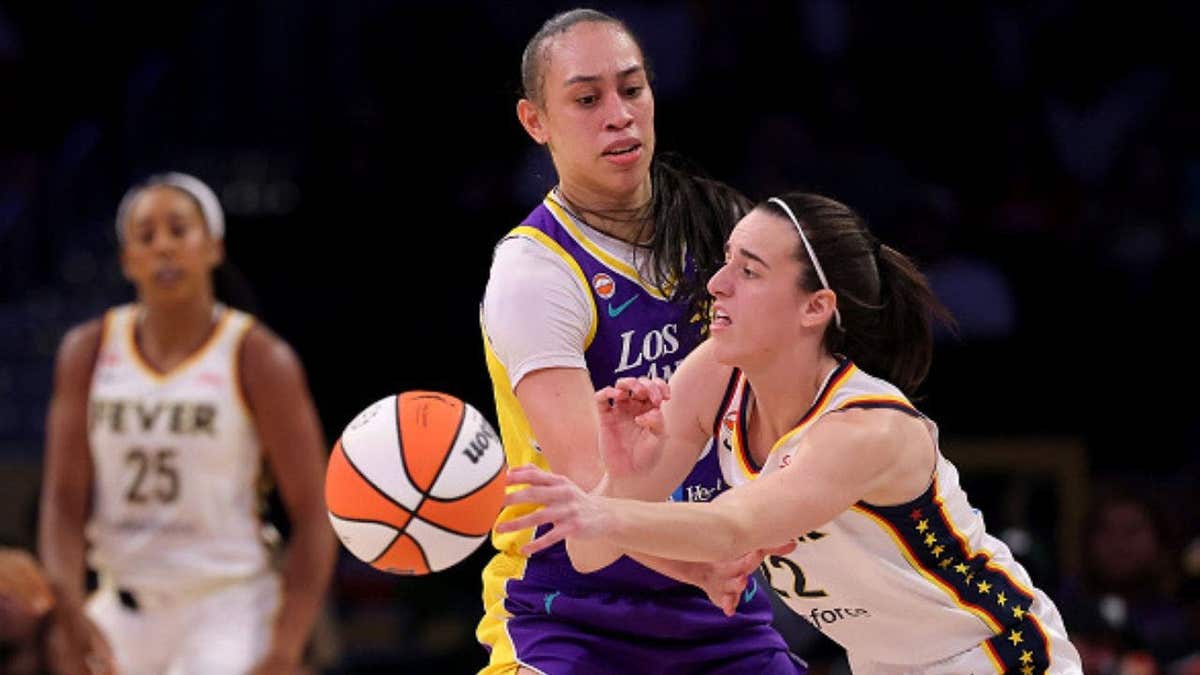
In a recent discussion on CNN, the topic of Caitlin Clark’s reception among WNBA players was explored. Former ESPN host, Cari Champion, argued against attributing hostility to racial issues. She described such notions as disrespectful to Black women who have been instrumental in supporting and establishing the league.
The tension surrounding Clark raises a question: why do many WNBA players, especially Black players, show hostility toward her? The initial assumption might be her identity as a straight White woman in a league where around 70% are Black or LGBTQ+. However, this is not entirely the reason behind the tension.
Caitlin Clark’s approach deviates from the expected mold. She does not align herself with the racial and sexual activism that has become a significant part of the league’s public image. This lack of conformity may be influencing perceptions.
In contrast, other White players, like Cameron Brink, have aligned with these expectations. She has openly acknowledged the privileges she could potentially receive due to her identity. Her statements have been well-received within the league, signaling alignment with the ongoing cultural discussions.
Paige Bueckers occupies a similar position, often compared to Clark by sports media. Yet, she receives less visible resentment, likely due to her engagement with social justice issues, such as promoting equal opportunities for Black women within the league.
“The WNBA was built on a lot of Black women,” Bueckers commented during an interview, highlighting the need for equal opportunities.
The dynamics at play can be linked to the broader societal discussions about “anti-racism” initiated in 2020. Prominent figures argued that not being racist was insufficient; one must actively combat racism. Some interpret this as White individuals needing to continually prove their anti-racist stance in a visible way.
Bomani Jones, a former ESPN host, articulated this sentiment by suggesting a constant presumption of racial bias unless proven otherwise. This mindset could explain the acceptance of players like Brink and Bueckers, who vocalize their anti-racist positions.
On the other hand, Caitlin Clark focuses solely on basketball, opting not to engage in America’s cultural debates. This decision positions her at odds with a segment of the WNBA players and media who consider it a responsibility to voice support for racial and gender-related causes.
Clark is notable as the first prominent White American sports figure emerging in the post-George Floyd era, marked by an intensified focus on racial issues. Her prominence becomes complex amidst narratives suggesting her race and gender fuel her popularity, as discussed by figures like Jemele Hill.
Reports describe instances where aggressive behavior toward Clark is excused by those critical of her societal stance. These perspectives not only perpetuate narratives about her privileges but also contribute to ongoing tension in interpretations of her sporting prowess.
In essence, Clark’s focus on the sport itself, devoid of engaging with the prevalent social messaging, differentiates her. The underlying issues extend beyond her identity, intertwined with cultural expectations and the evolving narratives of race and representation within sports.