Armenia’s Geopolitical Shift and Its Implications
Armenia’s parliamentary election on June 7 is more than a political exercise. It serves as a referendum on the country’s recent geopolitical decisions. Armenia has shifted its focus from heavy reliance on Moscow to forming stronger ties with Europe and the United States. This marks a national reevaluation of its strategic partnerships.
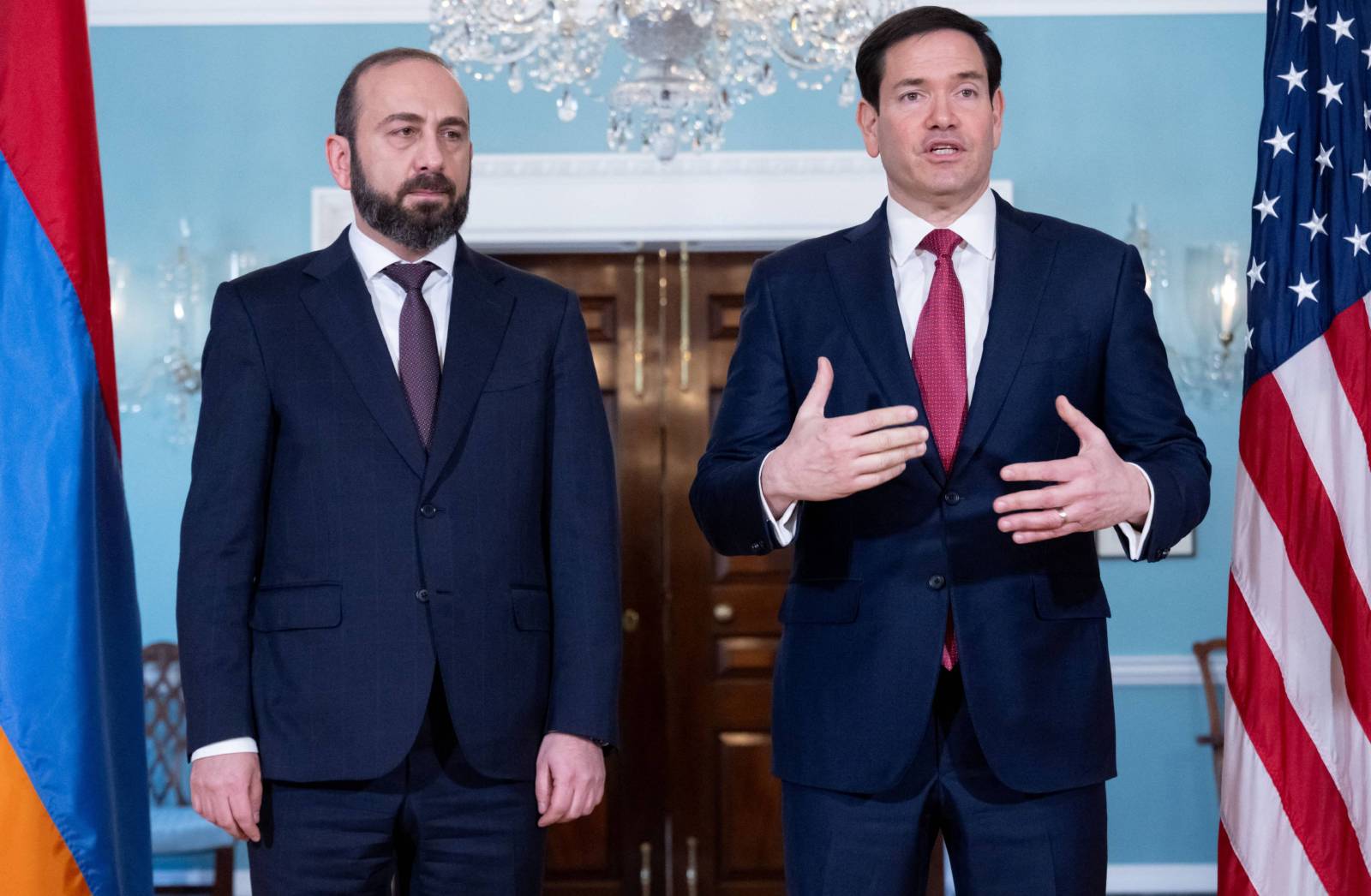
Armenia’s new strategy has shown tangible results. During the May 4 European Union summit, Armenia’s importance to European and U.S. interests was highlighted. The country positions itself as a democratic bridge in the South Caucasus. Recently, U.S. Secretary of State Marco Rubio visited Yerevan to sign a strategic partnership agreement with Armenia. Other agreements related to critical minerals and a proposed transit corridor were also signed. This corridor would connect Azerbaijan with Nakhchivan and Turkey.
These developments underscore the South Caucasus’ centrality to Western strategies. Europe and the United States aim to develop new trade, energy, and logistical routes that avoid Russia and Iran. As a result, Armenia diversifies its partnerships, strengthens ties with Europe, hosts Western leaders, and decreases dependency on Russia. Once seen as isolated, Armenia is now gaining confidence on the global stage.
“Armenia’s transformation, though promising, comes at a significant cost.”
The price of this shift is the loss of Nagorno-Karabakh, known to Armenians as Artsakh. After a military attack by Azerbaijan in September 2023, the enclave, long functioning as a de facto Armenian state, fell. The attack followed a nine-month blockade. Over 120,000 ethnic Armenians fled to Armenia, fearing the consequences of Azerbaijani rule. This marked the erasure of a historic Armenian community in days.
Although the trauma is still fresh for many Armenians, global attention quickly shifted. Focus moved to the Middle East following the October 7 Hamas attack on Israel and subsequent wars. In the Caucasus, focus shifted to infrastructure and regional integration. Refugees, who settled in Armenia, share stories of abandoned homes and uprooted identities. Yet, they receive little justice and no clear path for return.
Another unresolved issue threatens Armenia’s reconciliation with Azerbaijan: the imprisonment of former Artsakh officials in Azerbaijan. About a dozen former officials, including Ruben Vardanyan, the former state minister, remain detained. Their imprisonment has immense symbolic importance for Armenians. They see these individuals as political prisoners left behind in the push for normalization.
Armenians perceive reconciliation as one-sided. They worry that Armenia makes the concessions while Azerbaijan capitalizes on military victory and diplomatic leverage. This perception can impact the normalization process. Infrastructure projects linked to disregarded prisoners and the erasure of Artsakh’s Armenians will face challenges, regardless of election outcomes.
Even Armenians who favor compromise struggle with the lack of international attention on the prisoners’ situation. This is occurring while Azerbaijan seeks legitimacy and stronger ties with the West. The United States and Europe have leverage but seem reluctant to use it. Recent diplomatic visits, like Rubio’s visit, point to a geopolitical shift in the South Caucasus.
Azerbaijan desires stability, investment, and recognition as a key hub connecting Central Asia, the Caucasus, Turkey, and Europe. It wants smooth infrastructure agreements and long-term economic integration with Western markets. Meanwhile, Armenia seeks security and enduring Western support as it distances from Moscow under Russian pressure.
This moment is crucial for Western powers to address the prisoner issue within broader negotiations. The demand for the release of Artsakh political detainees should be central in talks regarding trade corridors, economic partnerships, and normalization efforts. This would empower moderates in Armenia and prove that diplomacy can protect human dignity alongside national interests.
Armenians need to see that the U.S.-Armenia partnership is based on principles of accountability and human dignity. Without addressing these grievances, settlements risk being unstable. Peace agreements lacking moral legitimacy rarely last when shaped by unresolved grief and memory.
The South Caucasus faces an opportunity for reordering based on connectivity rather than conflict. True peace requires more than trade routes and summits; justice and human dignity must play a role in the region’s new order. The fate of Artsakh prisoners is the test of whether this principle will survive.
Grigor Hovhannissian is Armenia’s former ambassador to the United States and Mexico and Armenia’s former deputy foreign minister. The views expressed are his own.