Attorney General’s Role in Cornell Sexual Assault Investigation Questioned
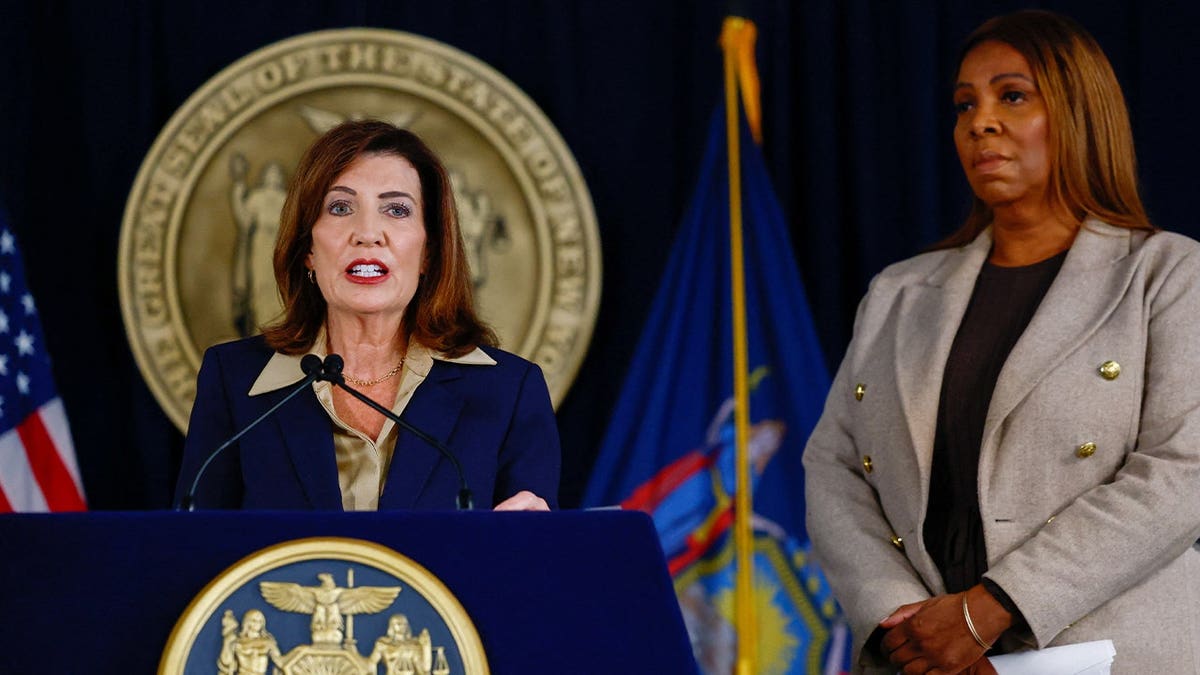
New York Attorney General Letitia James faces calls to recuse herself from an investigation into an alleged sexual assault at Cornell University. An attorney representing one of the accused questions whether James may have accepted the allegations publicly before taking on the case.
Andrew Miltenberg, who represents one of the seven accused former fraternity members, voiced concerns over James’ previous statements, which he claims raise questions about her impartiality. In a statement, Miltenberg emphasized the importance of public confidence in an unbiased investigation.
Governor Kathy Hochul appointed the attorney general’s office as a special prosecutor to replace Tompkins County District Attorney Matthew Van Houten. This decision emerged as a result of an alleged October 2024 sexual assault at Cornell’s Chi Phi fraternity house, reported by Jane Doe. The accused men deny the allegations, with some asserting the encounter was consensual and others denying involvement. No criminal charges have been filed.
Miltenberg’s concerns stem from comments James made prior to her office taking on the investigation. She had publicly described Doe’s experience as “horrific and unacceptable,” expressing solidarity with her and other survivors.
During a news conference, James declined to discuss her past statements. Criminal defense attorney Donna Rotunno remarked on Fox News about the need for fairness and impartiality in reopening the investigation, questioning if it should proceed under someone who has commented publicly on the case.
Miltenberg clarified that his concerns are not politically motivated and do not minimize the serious nature of the allegations. He argues for James to step aside, allowing senior prosecutors from her office who have not commented publicly to lead the inquiry. He believes this action would enhance the investigation’s legitimacy and public trust.
The situation received renewed attention after Doe filed a civil lawsuit nearly two years post-assault. The lawsuit names several parties, including Cornell University, for failing to protect her.
The appointment of a special prosecutor followed Van Houten’s initial decision not to file charges based on evidence received from Cornell University Police. After the lawsuit appeared, more aspects of the case came to light, prompting Van Houten to reopen the investigation.
Cornell has agreed to conduct an independent review of how the allegations were handled within the institution. University President Michael Kotlikoff mentioned disciplinary actions, including expulsions and suspensions, were taken separately from the criminal investigation.
Miltenberg insists that decisions on any criminal charges should be made by impartial prosecutors, fostering public confidence. He suggests the simplest way to address potential bias is for James to recuse herself and allow another prosecutor to lead the investigation.