Balancing Parenting and Self-Care in Today’s World
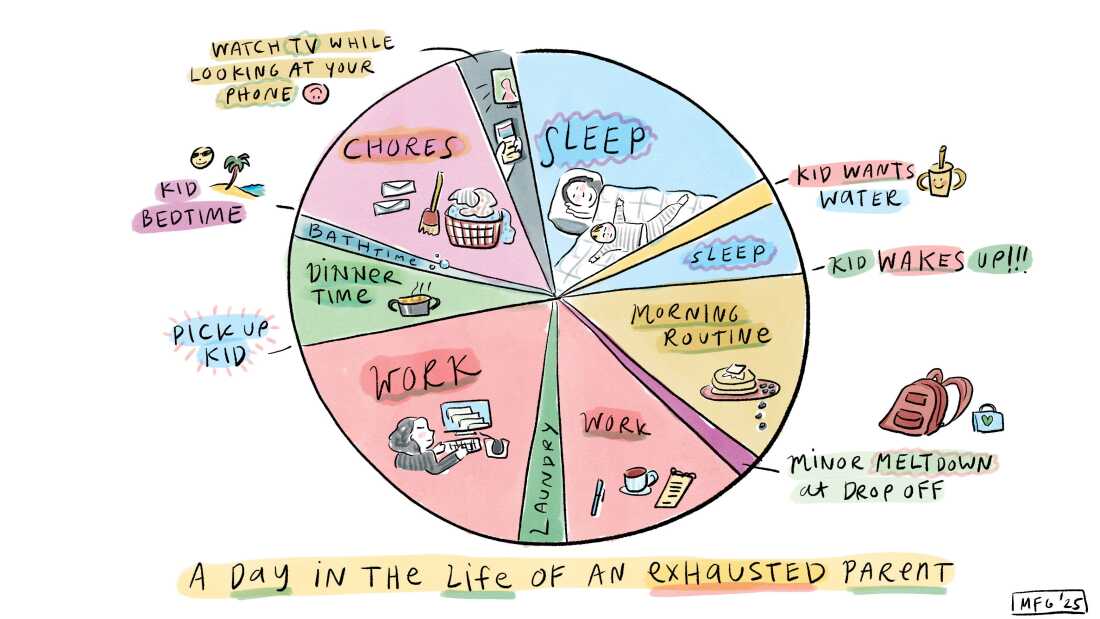
Parents today face new challenges with child care and work demands. The U.S. Surgeon General’s 2024 advisory highlights how parents are juggling more tasks than two decades ago. This shift leaves them less time for personal activities and relaxation.
Modern parenting involves navigating social media concerns, school safety fears, and children’s mental health issues. According to a 2023 survey by the American Psychological Association involving over 3,000 U.S. adults, 48% of parents feel overwhelmed with daily stress.
Recognizing Burnout Signals
Identifying signs of burnout is vital to prevent it from worsening. Here are three key indicators of potential burnout and ways to address them.
Red Flag 1: Enjoyment of Family Time Is Lost
Challenges like sleep regressions and mood swings are normal. However, if stress prevents you from enjoying family moments, burnout might be a concern, suggests psychologist Nekeshia Hammond. Symptoms vary but may include irritability, withdrawal, headaches, and sleep issues.
Prolonged stress can lead to serious health complications. Recognize early signs and take action.
How to Cope
In stressful moments, take a pause. Hammond advises setting a timer for a minute to breathe and reset. This practice helps in assessing your needs and can become a daily habit. If unsure about burnout, consult a health professional. Useful resources include Postpartum Support International and the National Alliance on Mental Illness.
Red Flag 2: Bearing the Mental Load Alone
Handling all planning and decision-making tasks, like coordinating schedules, is part of the “mental load.” Eve Rodsky, an expert in gender labor division, notes that this burden often falls on women. A study shows moms handle 71% of household mental tasks.
How to Cope
If overwhelmed, delegate tasks. Rodsky suggests doing a time audit with your partner to balance responsibilities. Single parents should seek support from friends and community members.
Red Flag 3: Lack of Personal Time
Parents increasingly work and care for children, leaving less time for themselves, says former U.S. Surgeon General Vivek Murthy. Neglecting self-care can negatively impact family life and children’s mental health.
How to Cope
Prioritize self-care activities like sleep, social interactions, and personal interests. Rodsky advises creating “unicorn space” for personal explorations outside parental roles through her three C’s:
- Curiosity: Engage in new activities that reflect personal values.
- Connection: Share your passions with others to broaden opportunities.
- Completion: Choose hobbies with endpoints for a sense of achievement.
Making time for self-care can be challenging, but it’s essential for emotional health and joy. Encourage a balanced life where you can thrive.
The article received editorial input from Meghan Keane and visual guidance from Beck Harlan. Connect with us via voicemail at 202-216-9823 or email at [email protected]. Explore more content on Life Kit through Apple Podcasts, Spotify, and our newsletter. Follow us on Instagram at @nprlifekit.