World Cup Goalkeepers Take Center Stage
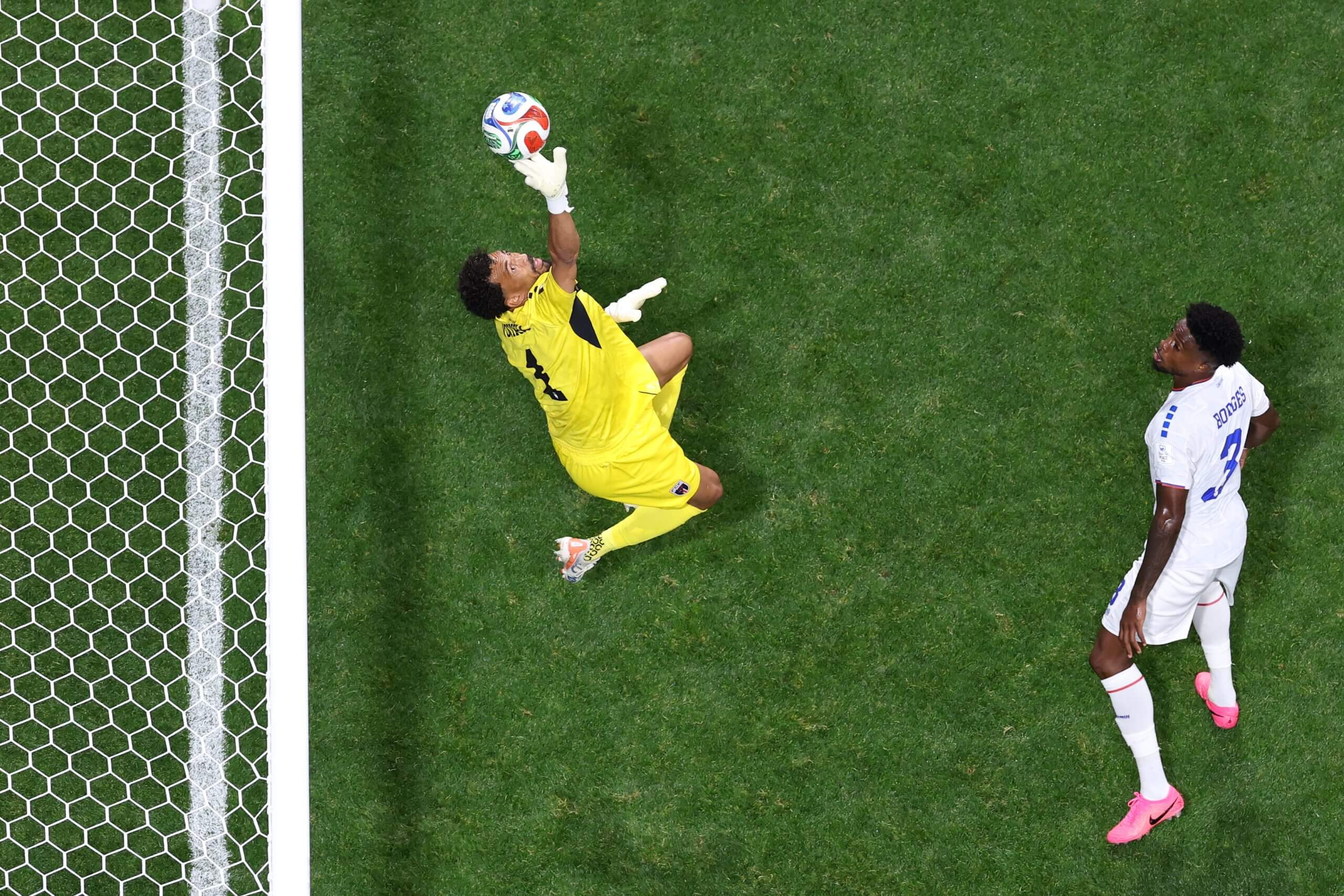
Thibaut Courtois called the 2026 World Cup a tournament of goalkeepers. He praised Iran’s Alireza Beiranvand following Belgium’s 0-0 draw for his impressive performance. Courtois highlighted not only Beiranvand’s technical skills but also the psychological shift that occurs when confidence and momentum align.
Beiranvand had also been in the spotlight in 2018 when he saved a penalty from Cristiano Ronaldo. Now, in 2026, he’s reminded the world of his abilities. Other goalkeepers, like Curacao’s Eloy Room and Cape Verde’s Vozinha, have also gained recognition. Room’s 15 saves against Ecuador and Vozinha’s clean sheet against Spain demonstrated exceptional skill.
World Cups have a unique power to catapult goalkeepers into football folklore. A remarkable performance can seem extraordinary on the global stage with millions watching. Yet the quality of these performances is what stands out, independent of the occasion.
Room’s performance against Ecuador was notable not only for the record number of saves but also for the concentration required to compete against a stronger team. Vozinha’s match against Spain demanded skill beyond athletic ability, showcasing his positioning and emotional control.
The World Cup enhances the significance of goalkeeper performances, turning moments into lasting memories. An example is Tim Howard’s iconic performance against Belgium in 2014. Though the U.S. lost, his goalkeeping feat remains memorable.
“Sometimes they even play better; it’s a World Cup,” Courtois remarked.
This idea of being invincible resonates with goalkeepers like Beiranvand, Room, and Vozinha who, representing smaller nations, often have a liberated mindset. For them, simply appearing on the world stage is a victory. Rather than fearing failure, they embrace the chance to showcase their talents.
Room faced a challenge when conceding seven goals against Germany, but his subsequent performance against Ecuador was one of resilience and brilliance. Cape Verde’s experience against Spain was similar, where the weight of expectation rested on the favorite.
Courtois’ observation about feeling invincible reflects the gradual confidence build-up in goalkeepers through successful interventions. Once in this ‘flow state,’ a goalkeeper’s play becomes instinctive and opponents start to notice, often inducing frustration on their part.
The World Cup for goalkeepers can transform careers overnight. Smaller nations’ goalkeepers receive more opportunities to influence games because of the frequent challenges they face. Being constantly engaged keeps them in rhythm and builds confidence.
I remember a match in Sweden’s second division where I experienced similar feelings. Facing a much stronger team, I found joy in being the underdog, using each save to build momentum and confidence. The emotional impact of that game lingered long after it ended.
Watching Eloy Room’s emotional response post-match against Ecuador resonated deeply. These moments of peak performance stick with athletes, especially underdog goalkeepers in the World Cup. The frequent involvement lets them shine on the biggest stage.
The World Cup environment offers dual opportunities—one for underdogs to surprise the world and another for goalkeepers from dominant teams to prove themselves with minimal involvement. Yet, more often, underdog goalkeepers steal the limelight with unforgettable performances.