Bill Gates Raises Concerns Over AI Development and Risks
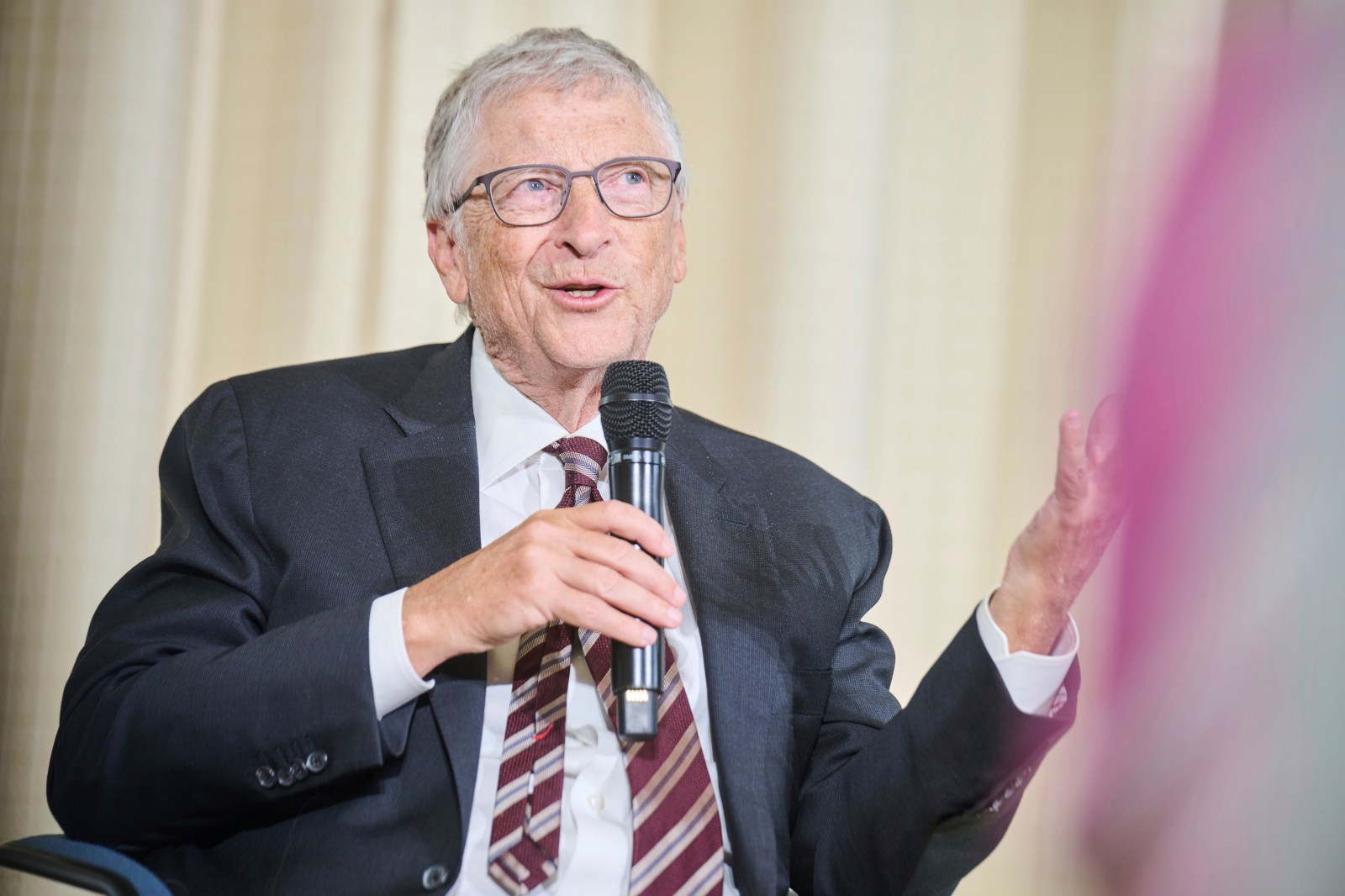
Bill Gates, co-founder of Microsoft, is voicing concerns about the fast pace of artificial intelligence (AI) development. According to Gates, the lack of substantial safeguards has prompted him to speak publicly on the matter. In an interview with CNN’s Anderson Cooper, Gates emphasized the need for public involvement in AI-related decisions, highlighting both its benefits and risks.
Gates identifies several risks associated with AI, such as cyberattacks, bioterrorism, and broader psychological and social impacts. He expressed surprise over the absence of stronger protections. Gates argued that restricting data centers would not effectively slow AI development since companies could establish them elsewhere.
Gates further stressed the importance of incorporating diverse perspectives, stating, “We have to get everybody’s voice in this. These are a set of Democratic tradeoffs that have to be made.” Newsweek reached out to the White House for comments on Gates’ concerns.
Gates’ Comprehensive Essay on AI
Gates recently published a lengthy essay forecasting a challenging period due to AI. He criticized leaders for failing to prepare adequately for AI-driven disruptions across fields like law, medicine, and manufacturing.
Although Gates has stopped short of endorsing a complete halt to AI development, he supports a global agreement to slow its progression. However, he acknowledged that such an agreement is unlikely due to competition among countries and companies. Gates suggested potential measures like taxing AI and reserving specific jobs for humans.
Risks of AI According to Gates
Gates outlined three main risks posed by AI. Firstly, AI may lead to job losses, affecting both white-collar and blue-collar workers, particularly young workers. He stated, “I’m staking my reputation completely on the fact that in terms of the impact on the job market, this is very different than any technology that I’ve been involved in.”
He also warned that AI could facilitate harmful actions, making cyberattacks, fraud, and disinformation more accessible. Lastly, Gates mentioned concerns about AI impacting children’s development and potentially replacing human relationships through AI companions.
Proposals and Commentary
Gates urged governments to take immediate action to manage AI’s rapid evolution. He called for the creation of new institutions to monitor AI risks and suggested greater scrutiny of AI systems that could threaten national security or public safety.
To address job losses, Gates proposed taxing AI tokens and robots to fund worker retraining and strengthen the social safety net. He also recommended reserving certain roles for humans where human skills and judgment are crucial.
Oren Etzioni, a computer science professor, largely agrees with Gates’ risk assessment but questions some solutions. While supporting the idea of taxing robots, Etzioni challenges the notion of taxing AI tokens. He proposes using existing government bodies to address AI policies instead of establishing new agencies.
Gates concluded by noting that shaping AI’s future positively remains possible. He compared AI’s impact to nuclear technology, stating, “It’s a thousand times bigger and has both the negative aspect and the positive coexisting in the same technology.”