Brain Aneurysm: Julie Nashawaty’s Unexpected Experience and Recovery Journey
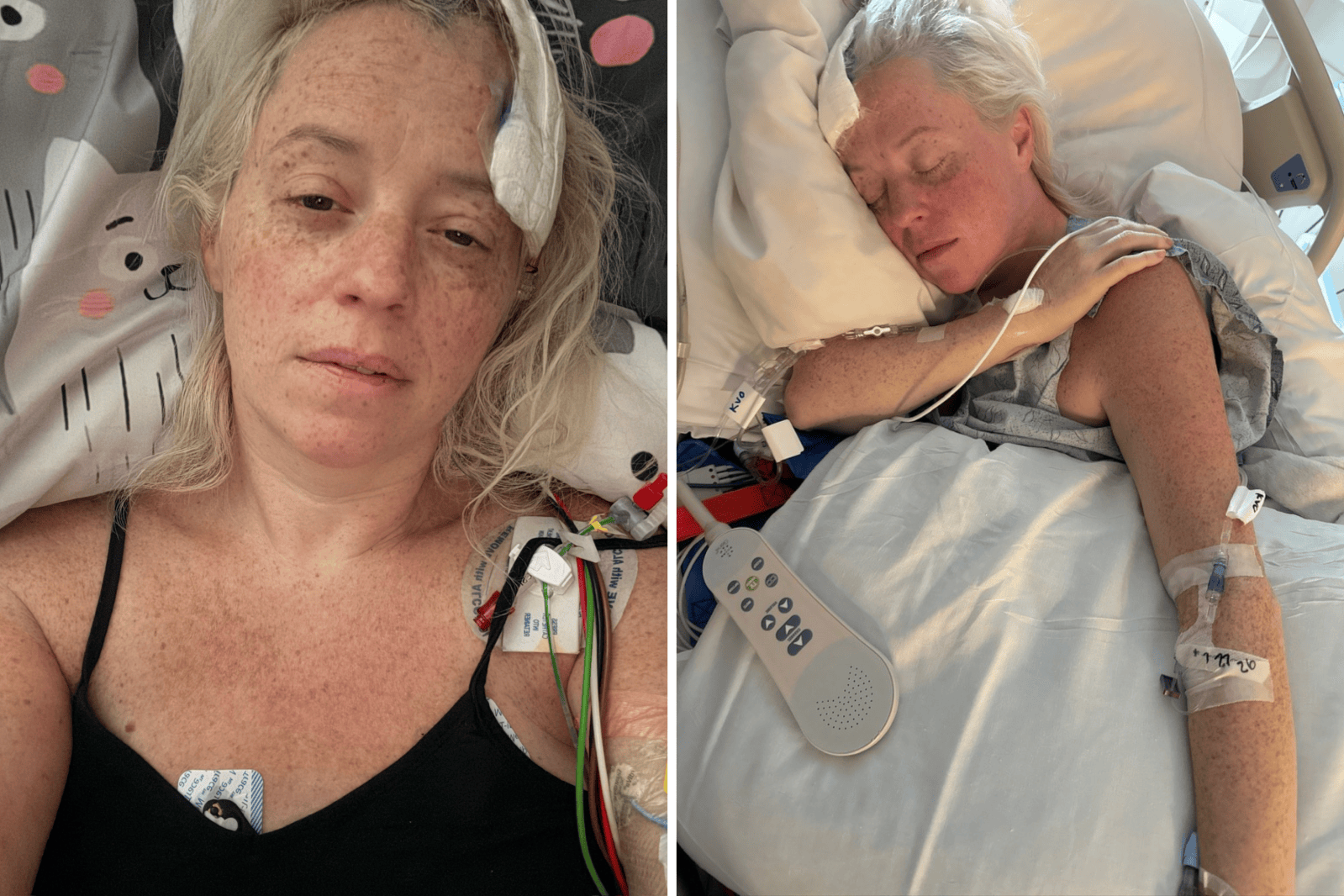
For Julie Nashawaty, a day that started like any other workday quickly turned into a medical emergency. During her lunch break, the 46-year-old from Boston experienced a headache unlike any she had felt before, accompanied by a rapid rise in body temperature.
“Out of nowhere, it felt like my brain was exploding,” Nashawaty shared with Newsweek. Recognizing something was seriously wrong as she ‘stopped making sense,’ her husband contacted emergency services. Within half an hour, Nashawaty was admitted to the emergency room and subsequently spent 25 days in intensive care.
Diagnosis and Symptoms
Doctors discovered that a 3-millimeter brain aneurysm had ruptured. A brain aneurysm is a weak bulging spot in a blood vessel in the brain. The Brain Aneurysm Foundation (BAF) estimates that 6.8 million Americans live with an unruptured brain aneurysm, with approximately eight out of every 100,000 people experiencing a rupture annually.
Nashawaty described her symptoms as unprecedented: a sudden pounding headache, extreme heat, and an urge to lie on the floor. Such symptoms are indicative of a ruptured brain aneurysm, which requires immediate medical attention. Other symptoms can include:
- Severe headache, often described as “the worst headache of my life”
- Nausea and vomiting
- Stiff neck
- Blurred or double vision
- Sensitivity to light
- Seizures
- Confusion
- Loss of consciousness
- Weakness or numbness
- Eye symptoms such as a drooping eyelid
Causes and Risk Factors
While brain aneurysms often develop silently, contributing factors can include smoking, high blood pressure, genetic predispositions, age, drug or alcohol use, infections, and head trauma. Aneurysms may form gradually due to wear and tear on arterial walls over time.
Treatment and Recovery
Nashawaty underwent an endovascular procedure as part of her treatment. This involved inserting a catheter through an artery to place tiny coils inside the aneurysm or use a stent to redirect blood flow. The initial treatment was only the start of her recovery journey.
“I developed significant vasospasms,” Nashawaty explained, referring to the narrowing of blood vessels in her brain. Doctors administered medication through a head drain and directly to the affected vessels on three separate occasions during her hospital stay.
Upon her release, Nashawaty engaged in physical and occupational therapies and received regular home visits from nurses. Despite being home, she faced challenges associated with post-intensive care syndrome, muscle loss, brain fog, stress, and sleeping difficulties.
“The first two weeks were terrible,” she noted. “It seemed like my brain was recalibrating while my body was regaining strength. Being discharged did not mean instant recovery.”
Three months later, Nashawaty is steadily regaining her strength. However, doctors found a second aneurysm, unruptured, requiring monitoring and likely intervention with a flow diverter in the future.
Her recovery, she states, is still ongoing as she continues to follow up with recommended scans and treatments.