Challenges Facing Israel’s Position and Internal Dynamics
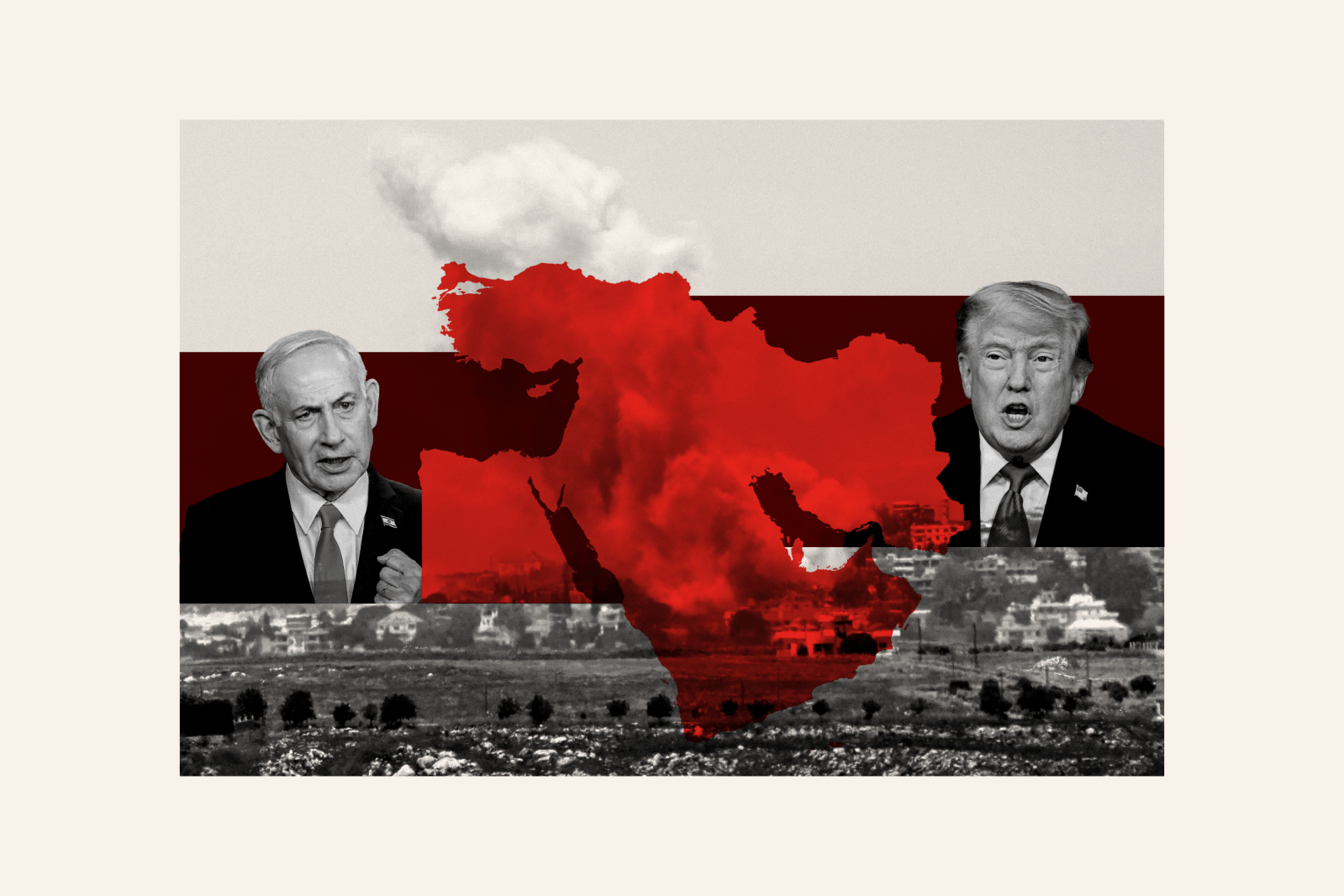
In April, Israeli Prime Minister Benjamin Netanyahu declared, “Israel is at the peak of its power,” during Holocaust Remembrance Day. His statement has gained a different meaning as Israel’s limitations become clear. U.S. President Donald Trump’s deal to end the joint war with Iran has sidelined Israel, leaving its security concerns unaddressed. This has strained the once strong relationship between Netanyahu and Trump, previously considered an ally to Israel. Israel’s military is now stretched across Lebanon, Syria, Gaza, and the West Bank.
Support for Israel is waning globally, including in the United States, traditionally a strong ally. Demographic and political tensions between the Jordan River and the Mediterranean Sea contribute to Israel’s vulnerability, despite its power. Concerns about the state’s long-term survival have surfaced, echoing the once ‘mad’ idea of its establishment in 1948, as noted by Theodor Herzl, the modern Zionism founder.
“We are at an existential moment,” said Naftali Bennett, former Israeli prime minister and Netanyahu’s opponent. He emphasizes that prolonged warfare is detrimental to Israeli society, the economy, and international standing.
Newsweek reached out to the Israeli government for a response. Meanwhile, the war Israel initiated with the United States on February 28 has managed to disrupt Iran’s nuclear ambitions, although Trump’s deal did not address missile force reduction or limit Iran’s support for proxy armies against Israel. The deal might offer Iran’s leadership a financial boost, countering Israel’s attempts to destabilize them. Over time, Iran might revive its nuclear goals, potentially altering the strategic balance with Israel’s alleged nuclear capabilities.
Trump expressed dissatisfaction with Israel’s actions in Lebanon, where Hezbollah still poses threats despite extensive destruction. At a G7 summit, Trump said, “Without me, there would be no Israel,” suggesting his involvement was pivotal for Israel’s security.
Since Israel’s founding, its survival has been in constant jeopardy, initially from neighboring Arab states, and now more from regional conflicts. The current crisis started on October 7, 2023, when the Iran-backed Hamas group attacked Israel from Gaza.
Efraim Inbar, president of the Jerusalem Institute for Security and Strategy, remarked on Israel’s resilience: “Our survival is not at stake at this moment. If Iran obtains the bomb, circumstances would differ. We’ve prevented nuclear developments, allowing us to continue covert operations.”
Israel’s forces, although recognized as formidable, show signs of being overstretched since the war began. They have advanced into southern Lebanon, countering Hezbollah, and continue occupying parts of Syria. Operations persist in Gaza and the West Bank, domains contested since their capture in the 1967 war.
Daniel Levy from the U.S. Middle East Project emphasized, “Israel’s aggressive strategy poses a significant risk, making it increasingly isolated in the region.” He suggested Israel could secure its future by avoiding a zero-sum approach and reconsidering its stance towards the Palestinians.
Polls indicate most Israelis and Palestinians no longer see a two-state solution as feasible. This aligns with Hamas’s long-term opposition, viewing Israel as comparable to the Crusaders.
Defense Minister Israel Katz stated, “Israel is a strong and resolute state capable of defending itself.” Meanwhile, regional dynamics involve challenges from Turkey and shifting alliances. The United Arab Emirates embraced the 2020 Abraham Accords with Israel, yet the ongoing conflict with Iran has failed to improve ties with countries like Saudi Arabia.
Globally, Israel’s reputation has declined, particularly in the U.S., where a Pew Research survey showed 60% of Americans have a negative view of Israel, a climb from 42% in 2022. However, strong economic growth forecasted by the OECD and increased cooperation with India provide some optimism.
Internally, demographic challenges are significant. The growing Arab population and the rise of the ultra-Orthodox Haredim cause internal strain. Haredi families, who traditionally avoided military service, face a 2024 court ruling pushing for conscription. This issue threatens Netanyahu’s coalition, reliant on support from ultra-Orthodox parties.
Efraim Inbar concluded, “Israel must avoid missteps. As a small nation, operating with prudence is essential.”