Challenges in Energy: U.S. Policy and Its Impact on Prices
As the colder months approach and heating becomes essential, energy prices have been on the rise, partly due to the conflict involving Iran. While the conflict has affected timing, it hasn’t fully explained the United States’ energy vulnerability. Although the U.S. produces a large amount of oil and gas, global market dynamics mean that crises elsewhere affect prices everywhere. The underlying issue involves state policies that prevent the full utilization of domestic energy resources.
Obstacles in Refining and Infrastructure
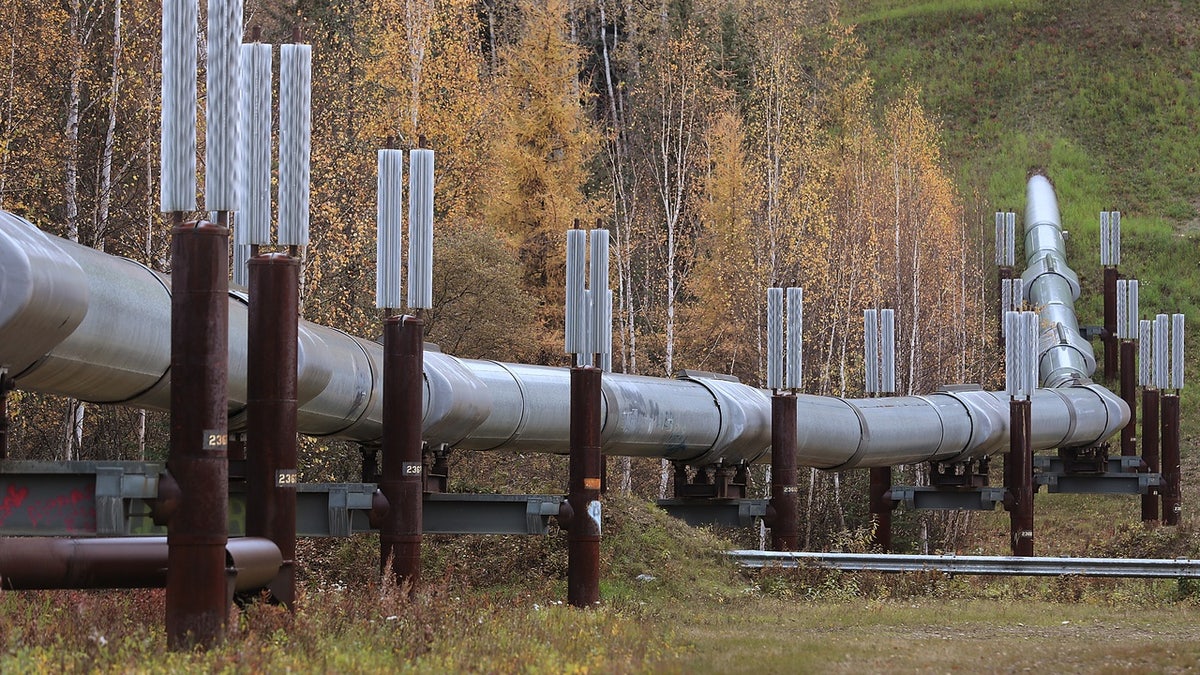
The U.S. faces a refinery shortage. The nation operates 130 refineries, a decline from 301 in 1982, and no new major facilities have emerged since 1976. Notably, the shutdown of the Philadelphia Energy Solutions plant resulted in a daily loss of 335,000 barrels. For instance, the 800-mile Trans Alaska Pipeline transports oil from Prudhoe Bay to Valdez.
In states like New York, self-imposed supply restrictions exacerbate the issue. New York has restricted natural gas pipelines critical for transport. Pennsylvania, nearby, holds some of the richest gas reserves. Yet, the 124-mile Constitution Pipeline, which would include 99 miles through New York, has faced a decade-long struggle for approval due to denied permits and failed applications.
Climate Policies and Their Consequences
The challenge extends beyond pipelines. Ambitious climate laws set demanding emissions goals, often without feasible plans. New York City’s Local Law 97 exemplifies this by imposing penalties on large buildings that exceed emissions limits, with stricter limits set for 2030. This results in high retrofit costs or fines, impacting tenants and small businesses.
Many states seek to eliminate reliable energy sources, closing nuclear and coal plants vital for low-income households. This leads to increased utility bills, making fuel more expensive and affecting costs across various goods.
The Essentials of Energy Supply
Energy supply concerns are not theoretical. They are about tangible infrastructure like pipes and wires. Reducing supply while demand remains steady leads to higher prices. With winter, the situation worsens as full pipelines prompt utilities to seek costly alternatives. This means fixed-income families must adjust by cutting heating use.
Path Forward
States not producing or importing fuel become vulnerable to global price fluctuations. A practical solution lies in approving pipeline projects to increase domestic gas access and retaining functional power plants until viable alternatives exist. Constructing new refineries is crucial. Transparent climate mandate costs are necessary, setting achievable timelines for implementation. Success should be measured by decreased bills and consistent supply.
Finally, choosing leaders committed to energy independence in upcoming elections can facilitate this progress. Dave Bovee, with his 20-year experience in the energy sector, emphasizes the importance of growing both production and refinement of domestic resources. His insights are further explored in his book, ‘The Four G Revolution: The Fight to Save God, Gas, Guns, and Glory.’