Challenges of Anthony Bailey Following Release from Prison
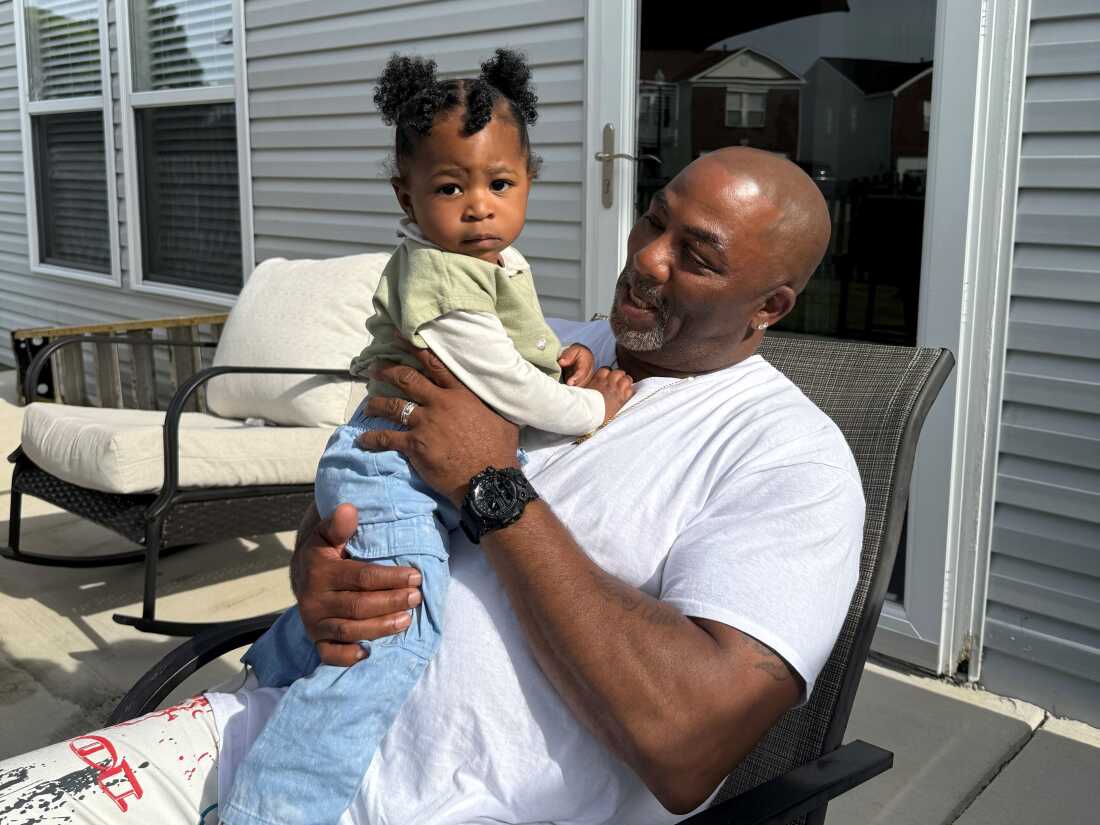
Anthony Bailey, recently freed from a lengthy prison sentence, is now facing a new challenge: a potential return to incarceration. Released two years ago by a judge after spending 27 years in a federal penitentiary, Bailey seized the opportunity for a fresh start.
In Indianapolis, Bailey worked as a city bus driver, built strong community ties, and enjoyed family gatherings. Despite these efforts, a recent ruling by the Supreme Court threatens his freedom, possibly leading to his re-incarceration.
“I’m hoping and praying that everything turns out and I get my life back,” Bailey shared in an interview. “Today, right now, I’m a better person — I’m a productive citizen, I work hard.”
This legal predicament stems from a Supreme Court decision issued in late May. The ruling places restrictions on the compassionate release program, intended for those in severe illness or advanced age. It stated that prisoners serving sentences significantly longer than typical today were not automatically eligible for this program. Retired federal Judge John Gleeson contests the ruling, noting the unreasonably long sentences these individuals face. Through his pro bono initiative, he has assisted over 100 incarcerated individuals in seeking early release.
Bailey’s story exemplifies this issue. In 1997, Bailey, alongside accomplices, committed bank robbery and two carjackings, placing several individuals at risk. Bailey expressed remorse for the actions that led to his incarceration.
“Something that I totally regret — will never happen again, ever, in life,” Bailey confessed.
During his time at Terre Haute federal prison, Bailey worked as a barber. He maintained a clean record throughout decades of imprisonment.
Maryam Kanna, Bailey’s pro bono lawyer, emphasized his transformation into a stable and productive citizen, dismissing any notion that Bailey presents a danger.
However, prosecutors may soon pursue Bailey’s return to complete his lengthy sentence, set to expire in 2050. Kelsie Clayton from the U.S. attorney’s office in Southern Indiana shared that communications occur only through court filings. Although Congress reduced severe penalties, these changes do not retroactively benefit Bailey and others incarcerated under previous laws.
Bailey remains determined to comply with legal processes, expressing, “OK, just got to keep fighting.” His probation officer, prior to the Supreme Court ruling, had indicated potential early release, though his future remains uncertain.
Meanwhile, Bailey savors moments with family, especially sharing experiences with his 4-year-old grandson.
“He’s a worker, you know. Everything I do — he sits there and just watches, then asks, ‘We washing the car?’ Or, ‘We taking the trash out?’ I say, ‘Yeah, come on.’”
Bailey demonstrates practical life skills to his grandson, including lawn mowing, while enjoying simple treats like McDonald’s french fries together.