Understanding Falling Home Prices and Their Impact in Denver
Home Price Decline in Denver
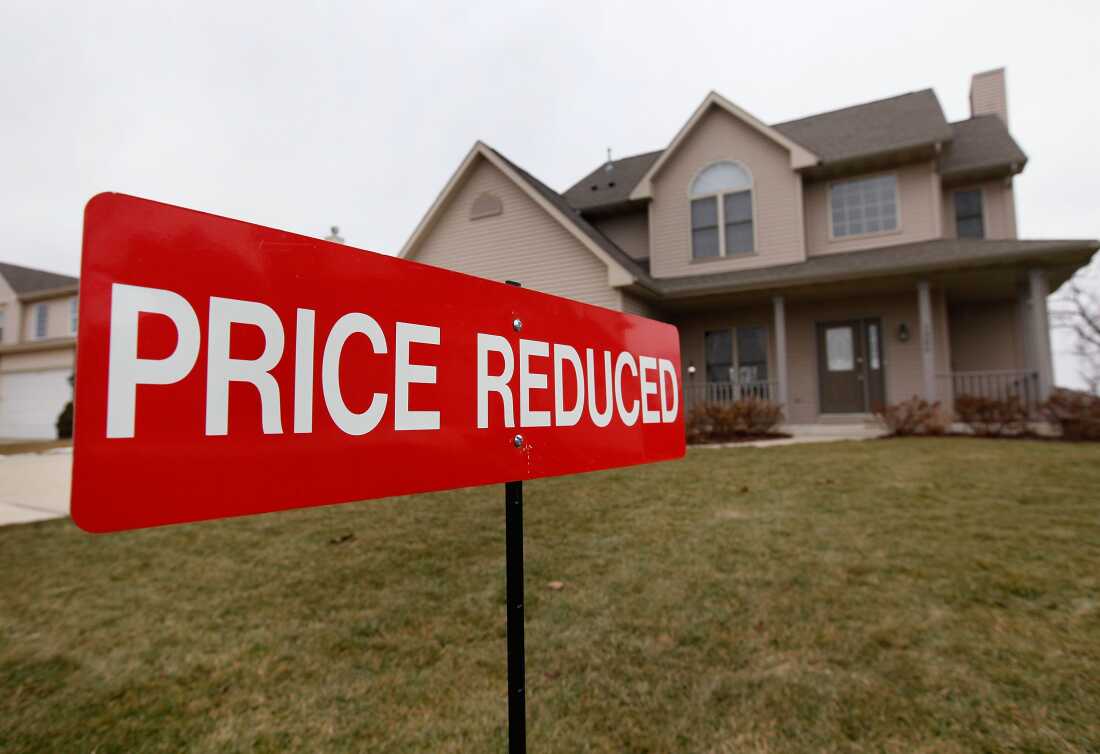
Home prices are dropping in Denver and across the nation. This decline has been prominent in the Denver metro area, which is experiencing one of the steepest reductions in housing prices nationwide. According to the S&P CoreLogic Case-Shiller Home Price Index, prices have fallen over 2% year over year, and the decline is even greater when adjusted for inflation. Rents have decreased even more significantly.
Karl Baumgartner, a renter and internal medicine resident in Denver, expresses excitement about the lower prices. He recently relocated to a larger apartment with better amenities, thanks to the falling rent. Baumgartner’s friends have had similar experiences, like renegotiating leases for less each month by presenting landlords with evidence of lower rates in comparable apartments.
The Economic Implications
Baumgartner’s concern lies in the broader economic landscape. He raises a question about the impact of falling housing prices. Economists aim for a yearly inflation rate of 2%, but what are the effects of negative inflation specifically within the housing market?
The answer isn’t straightforward. Falling home prices benefit renters but present challenges for homeowners and landlords. Economists sometimes view these price reductions as indicative of a healthy market where supply meets demand. In such cases, higher prices drive builders to construct more housing, increasing supply and reducing prices.
When Price Declines May Be Harmful
There are scenarios where falling home prices signal economic distress. Detroits serves as a case study of this. Detroit’s prolonged deindustrialization led to a significant population decline, resulting in an 80% drop in home prices during the housing bust of the 2000s. This wasn’t a case of affordability due to increased supply; it was a reflection of economic collapse. Many neighborhoods became deserted, houses were cheaper than cars, and families lost generational wealth.
Economist Daryl Fairweather from Redfin points out that falling home prices can make homeowners feel poorer, leading to reduced spending. Economist Eric Zwick from the University of Chicago Booth School of Business highlights risks associated with falling prices, particularly when homeowners end up owing more than their property is worth. This was notably damaging during the 2008 financial crisis.
Such scenarios can harm the construction sector and tax revenue, creating broader economic issues.
Potential Positives of Falling Prices
On the flip side, lower housing prices can alleviate affordability issues in cities with booming economies. For example, Denver has seen job growth, but high living costs have been a barrier to attracting workers. Lower rents enable renters to allocate more income to other investments, promoting economic activity. Cheaper housing might also encourage family formation, contributing to long-term economic growth.
Determining Good vs. Bad Price Declines
Assessing the effects of declining prices involves understanding their cause. Daryl Fisher from Zillow stresses the importance of distinguishing between demand-driven and supply-driven declines. Demand-driven reductions often indicate underlying problems in the economy or the area, whereas supply-driven declines suggest healthy growth.
Land values offer clues about the economic health of a city. If land values decline alongside home prices, it might signify distress. However, if land values rise while housing prices fall because of increased development, that is usually positive.
The price-to-income ratio offers further insight. A decrease in home prices coupled with rising incomes is a good sign, indicating economic progress.
Overall, while the size and speed of the price decline matter, Denver’s case points more to increased housing supply than economic distress. Recent developments of new housing units suggest a positive trend.
In summary, Denver’s scenario represents a favorable situation where housing becomes accessible without an economic downturn.