Changes and Challenges in U.S. Diplomacy
Ebola Response and State Department Changes
Pigott reported that the department swiftly launched an Ebola response within 24 hours of learning about the outbreak. He emphasized protecting the American people’s health and security by preventing the outbreak from reaching the U.S. shores.
State Department Evaluation Reforms
Current and former officials stated that the State Department has altered its rules and policies regarding evaluations and promotions. These modifications have further sidelined career diplomats.
A new bell curve limits the number of diplomats who can achieve top rankings in annual reviews, potentially reducing promotion opportunities and jeopardizing careers. Both current and former officials acknowledged a need for reform but argued these changes introduced new issues.
Deputy Secretary of State Christopher Landau remarked that the reformed system aligns with the Trump administration’s focus on accountability in government. He expressed confidence that this change would restore accountability and ensure evaluations reflect actual performance.
Concerns Over New Evaluation Criteria
Foreign service officers face new criteria for performance evaluations, emphasizing “fidelity” at the forefront. Mark Lambert, a retired diplomat, expressed concerns that tying success to loyalty jeopardizes alliances and results in inconsistent foreign policy. Loyalty, he stressed, should be to the Constitution, not political parties.
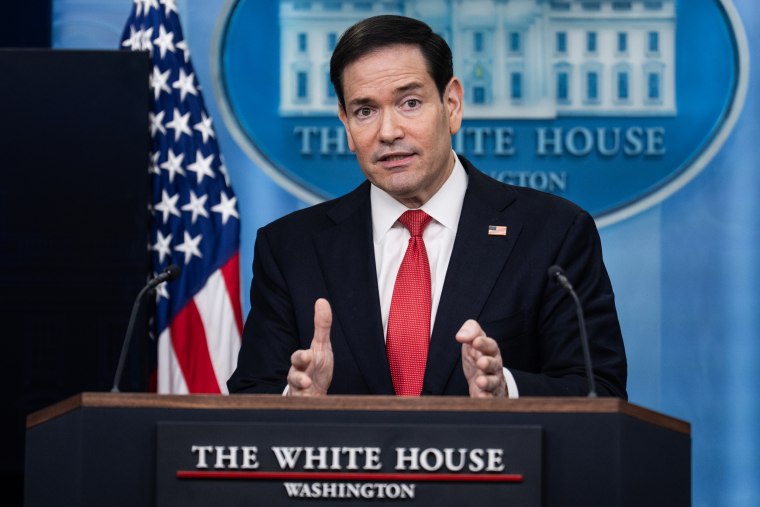
State Department spokesman Pigott pointed out Secretary of State Marco Rubio’s appreciation for insights from Americans serving their country. He stated the administration’s reorganization ensures that regional bureaus and embassies impact policies. Pigott clarified the administration does not tolerate actions undermining the president’s objectives.
Unlike previous administrations, the Trump administration has seen senior career foreign service officers largely excluded from high-level negotiations. Instead, figures like Jared Kushner and Steve Witkoff have taken the lead, raising concerns about lack of expertise.
Reorganization and Its Impact
As part of a departmental reorganization, nearly 250 foreign service officers were dismissed based on spreadsheet placements. Maryum Saifee, a former diplomat, criticized the cuts as arbitrary, affecting officers who were promoted after termination. Despite fighting the decision in court, the layoffs were formalized alongside new recruitments.
Changes to the foreign service entrance exam removed questions focused on diversity and inclusion. Recruitment videos featuring predominantly white historical footage have raised concerns about the administration’s recruitment priorities.
Pigott dismissed these concerns, advocating Trump’s “America First” foreign policy to enhance national safety and prosperity. Some diplomats express worries about reduced capacity to serve American interests abroad due to these policy shifts.
Future of the Foreign Service
Kelly Adams-Smith, who now teaches foreign policy, stressed the importance of encouraging the next generation to join the foreign service. She highlighted the need for well-trained, nonpartisan professionals in diplomacy without letting current challenges deter aspiring diplomats.
Many current and former diplomats lament that the widespread departures will have lasting consequences on American diplomacy and the services citizens rely upon, such as passport issuing and business exports.