China’s Growing Role in AI Regulation Debate
China has become a pivotal figure in the debate over artificial intelligence regulation, sparking calls for global cooperation to implement a ‘slow down’ agreement. The country’s leading intelligence official highlighted concerns that AI might challenge the authority of the Chinese Communist Party. This official urged increased government oversight and party control over the technology, as reported in an article by the state-run publication, China Cyberspace.
Chen Yixin, head of China’s Ministry of State Security, emphasized that AI poses risks such as foreign espionage, misinformation, and potential cyberattacks on infrastructure. He also pointed out that American AI models are emerging as threats to cybersecurity, according to The New York Times.
On the same lines, Anthropic co-founder Jack Clark advocated for AI companies to have a ‘kill switch’ to disable advanced AI systems when they become hazardous. Speaking to the BBC, Clark mentioned that Anthropic already employs such a mechanism and suggested that governments mandate third-party audits to ensure companies can deactivate their systems if necessary.
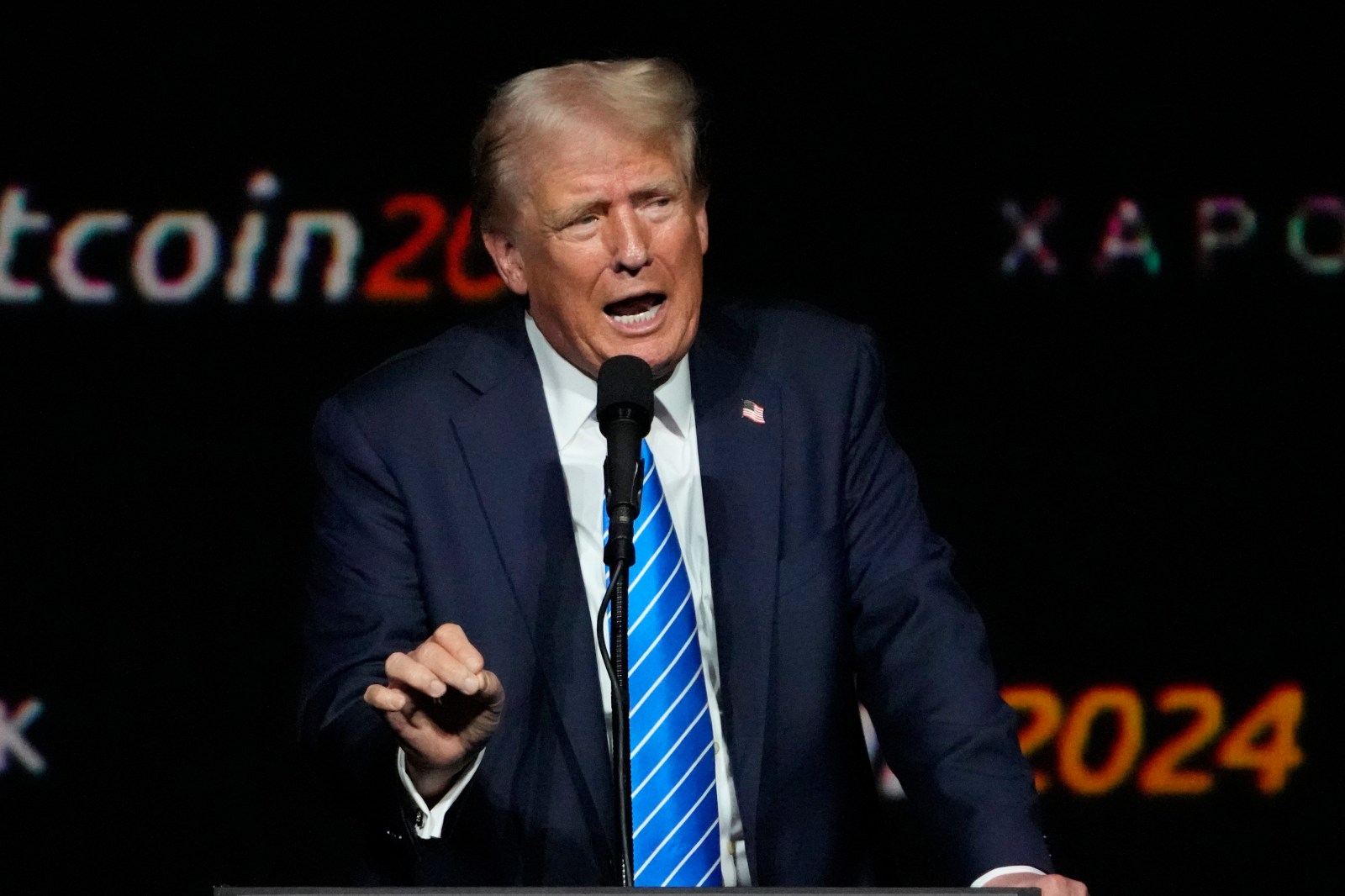
Contrastingly, President Donald Trump has expressed that the U.S. should prioritize achieving global leadership in AI over slowing its development. During a press conference, Guo Jiakun from China’s Ministry of Foreign Affairs echoed sentiments against fearmongering and competition, suggesting these could disrupt global AI governance.
Concerns about regulation extend to lawmakers and industry leaders cautioning against AI’s rapid expansion. There is a growing divide between those pushing for technological acceleration and experts warning that advancements may surpass safe management capabilities.
The discussion is not solely technical; geopolitical dimensions now play a significant role, turning the debate into a competition between the U.S. and China, affecting economic growth, national security, and military strength. Both Trump and Vice President JD Vance argue that excessive regulation might hinder America’s lead amid intensifying competition with China. During a speech, Vance expressed skepticism over major AI firms urging government regulation, labeling it a potential ‘Trojan horse.’
While some industry leaders, including Amodei, OpenAI’s Sam Altman, and Elon Musk, back slowing down AI development for safety, other experts see regulatory enforcement as necessary but not at the cost of innovation. Cybersecurity experts note that instead of halting progress, better safety measures should evolve alongside technological advancements.
AI Innovation and Competition
Despite calls for restraint, many analysts maintain that the U.S. continues to lead in frontier AI development. Companies like OpenAI, Anthropic, Google DeepMind, and Meta are operating some of the world’s most sophisticated AI models and receive substantial private investments.
Nevertheless, China’s rapid technological advancements raise concerns. Chinese firms, such as DeepSeek, are becoming competitive in AI, with significant investments in research and deployment. President Xi Jinping has previously advocated for global AI governance and simultaneously encouraged domestic innovation.
Necessary Protections and Controls
Regardless of viewpoints on slowing growth, there is consensus on the need for stricter controls. Amodei suggests reviews by independent evaluators to ensure AI models adhere to safety standards. John Walsh from IGEL advises that governance and security measures should accompany innovation.
“We must invest and deploy governance systems along with innovation to maintain global leadership safely,” said Walsh. “Policies should assess when AI agents operate or require human intervention.”
Walsh outlined immediate actions companies can take:
- Utilize Zero Trust principles to define conditions for AI actions.
- Implement runtime security to ensure AI operates within boundaries.
The larger question for companies becomes whether they can trust AI agents to perform actions given access levels.
Walsh pointed to the automotive sector as an example, suggesting a model where government sets a minimum safety requirement, industry defines how outcomes are achieved, and independent organizations validate performance.
He highlighted that if the U.S. establishes reliable AI and cybersecurity standards, market entry necessitates compliance, potentially promoting international alignment without each country developing separate systems.
The Path Forward
While Trump’s administration may resist federal regulatory actions, emphasizing America’s leadership against China and Russia, the strategic debate continues. Trump criticized claims of AI systems overwhelming safety measures, describing such views as hoaxes.
President Xi’s announcement that China plans no obstructions in AI development underscores the complexity of achieving global regulation consensus. As leaders in the U.S. and China prioritize technological advancement, the focus may shift toward safe acceleration while maintaining competitive edges.
The challenges reflect a broader need for international collaboration to establish effective AI governance frameworks that address safety concerns while advancing innovation.