Christina Applegate Discusses Misdiagnosis of Multiple Sclerosis
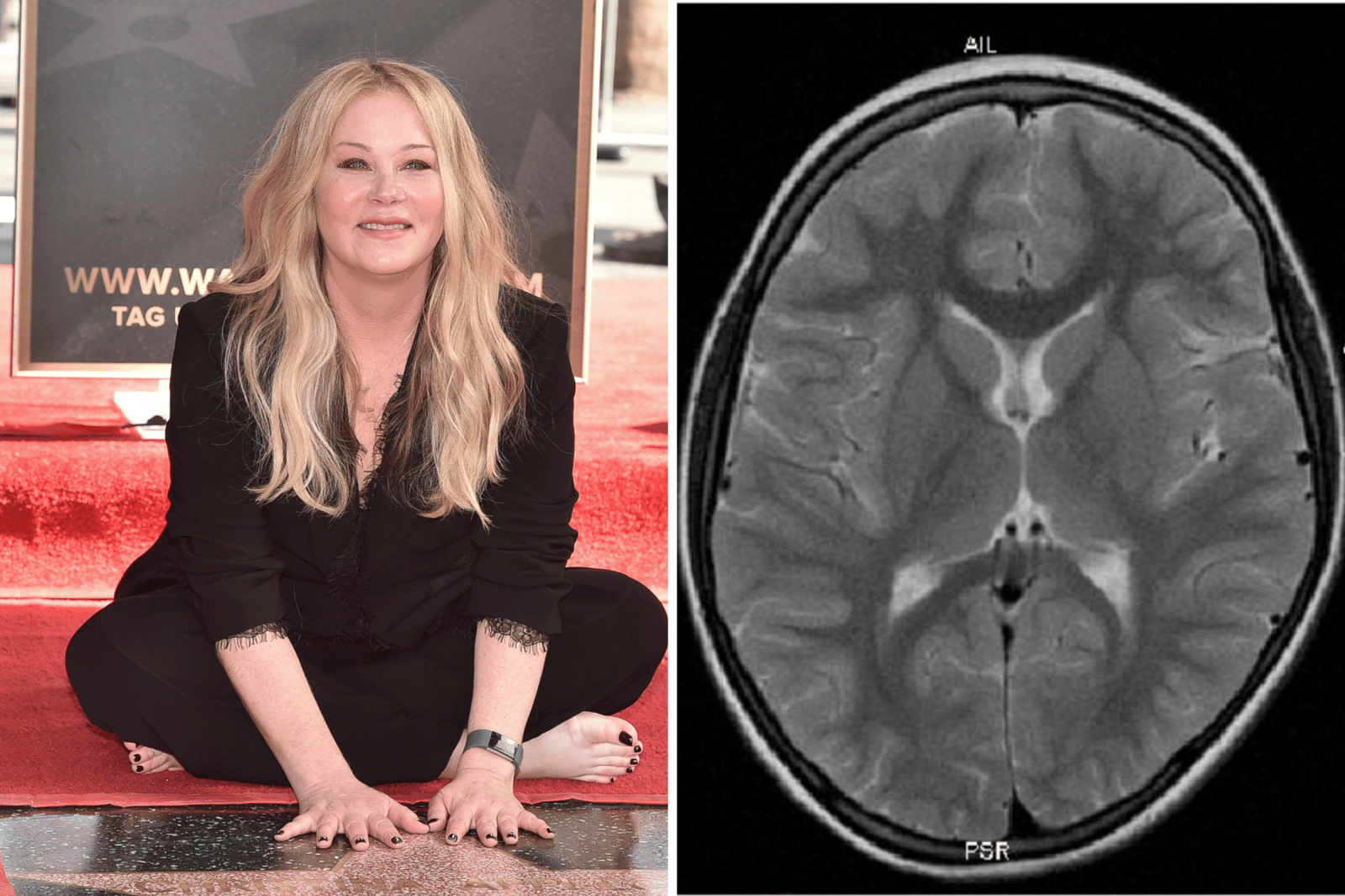
Christina Applegate recently revealed that she was misdiagnosed with multiple sclerosis (MS) more than five years after initially announcing the diagnosis. The 54-year-old actress shared this information on her MeSsy podcast with Jamie-Lynn Sigler. A doctor informed Applegate that she does not have MS, leaving her uncertain about her health condition.
Applegate expressed that despite this change in diagnosis, her symptoms have persisted and worsened. She stated, “You don’t get misdiagnosed and then all of a sudden I’m better.” Applegate’s debilitating symptoms, including issues with balance and numbness, continue to affect her daily life.
“I’ve gotten worse,” Applegate said.
The National Multiple Sclerosis Society highlights the complexity of diagnosing MS. There isn’t a single symptom or test to confirm MS. Doctors must look for evidence of damage to different parts of the central nervous system and rule out other conditions. Diagnostic tools include medical history, neurological exams, MRI imaging, blood tests, and cerebrospinal fluid analysis. Misdiagnosis in MS is acknowledged as a problem, exposing patients to unnecessary health risks.
Dr. Philip De Jager from Columbia University added that MS remains a diagnosis of exclusion. A neurologist integrates a patient’s history and diagnostic tests. Seeking an opinion from specialized MS centers is recommended.
Applegate’s public disclosure of her misdiagnosis has helped others feel supported in their own search for answers. Her story highlights the emotional challenges faced during diagnostic journeys and underscores the importance of advances in diagnostic criteria.
MS symptoms can include fatigue, numbness, weakness, and dizziness. Doctors must rule out other possible diagnoses using patient history and tests like blood analyses. Applegate described experiences like using a cane and wheelchair due to her symptoms.
Misdiagnosis Insights
Applegate recounted how a change in her B-cell count during treatment led to further investigation of her MS diagnosis. Her doctor eventually declared she did not have MS, which did not improve her condition. She emphasized that symptoms similar to MS exist, and ongoing investigations will determine the cause.
Applegate: “Something else is going on.”
Misdiagnosis can occur, and patients should seek specialist opinions. A 2019 study suggested that up to 19% of individuals diagnosed with MS might have been misdiagnosed. The National Multiple Sclerosis Society notes varying misdiagnosis rates ranging from 5% to 18% depending on the studied population and criteria.
Applegate stated that the change in diagnosis had an emotional impact. Her public advocacy on MS continued despite feelings of disappointment. She stressed that her daily struggles and reliance on aids like wheelchairs persist.