College Football’s Thrilling Unpredictability
Arch Manning faced criticism for Texas’ loss to Ohio State last year. Fans pointed fingers at him, but wide receivers couldn’t create separation for openings. Criticism aimed at Manning might be misplaced when considering the whole team dynamic.
Week 2 of the college football season brought chaos. The Oregon Ducks unexpectedly lost to the Oklahoma State Cowboys. Meanwhile, Michigan Wolverines redeemed themselves by defeating the No. 11 Oklahoma Sooners, pushing back against low expectations.
In contrast, the Texas Longhorns demonstrated resilience by making a comeback against Ohio State at home. Despite dominating early parts of the game, Ohio State missed several chances to secure their win but failed to do so.
Reflecting on college football’s appeal, notable matches among top teams provide excitement. With the expanded College Football Playoff system evolving, such matchups occur less frequently. Factors like superconferences and nebulous selection criteria by committees challenge traditional college football settings.
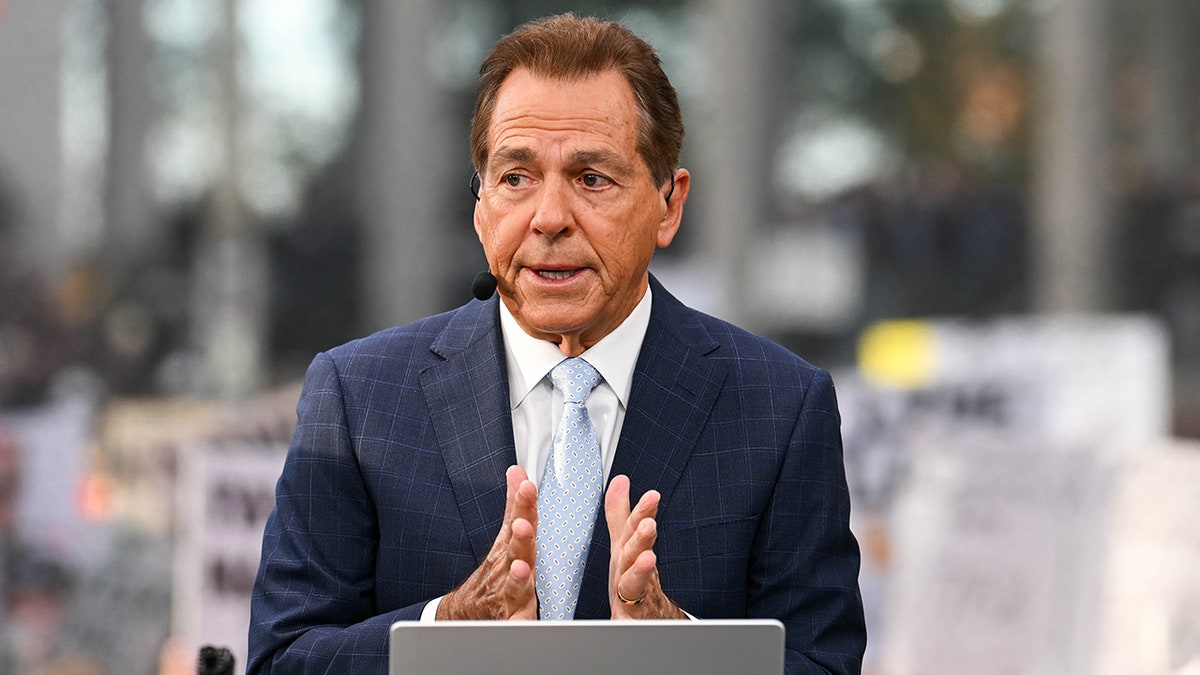
“Players love playing big games. That’s what great competitors love.”
These words from Nick Saban on ESPN’s College GameDay highlight the importance of strength of schedule in the playoff process. Saban articulated the need for quality wins and recognized that not all losses are detrimental.
Texas’ victory over Ohio State does have implications. Current results matter more than simply participating, emphasizing the need for refined evaluation metrics. Human biases often find ways into rankings, impacting perceived performance evaluations.
The Alabama team’s experience in 2025 highlights the challenges within the playoff system. Despite a significant loss to Georgia in the SEC Championship, their placement in rankings seemed inconsistent with their performance.
After the Texas-Ohio State game, both teams were evenly matched in performance. Despite differing opinions and human polls, computer-driven metrics like SP+ ranked Ohio State second and Texas sixth, based on performance expectations.
Fans and coaches debate over reliance on schedule-driven rankings. This discussion includes recognizing the subjective nature of schedules, compounded by the transfer portal’s potential impact on rosters. The landscape continuously evolves with new opportunities, especially as the teams prepare for future matches.
Expanding the playoff field might lead to more significant matches, with teams less fearful of playoff exclusion due to a single loss. Nonetheless, such a change remains contentious among fans and stakeholders.
Ultimately, engaging in matches against high competition enhances player development. As Nick Saban expressed, this level of competition is necessary, even in a landscape filled with dramatic shifts and surprise outcomes.