Colombia’s Presidential Election Heads to Runoff: De la Espriella vs. Cepeda
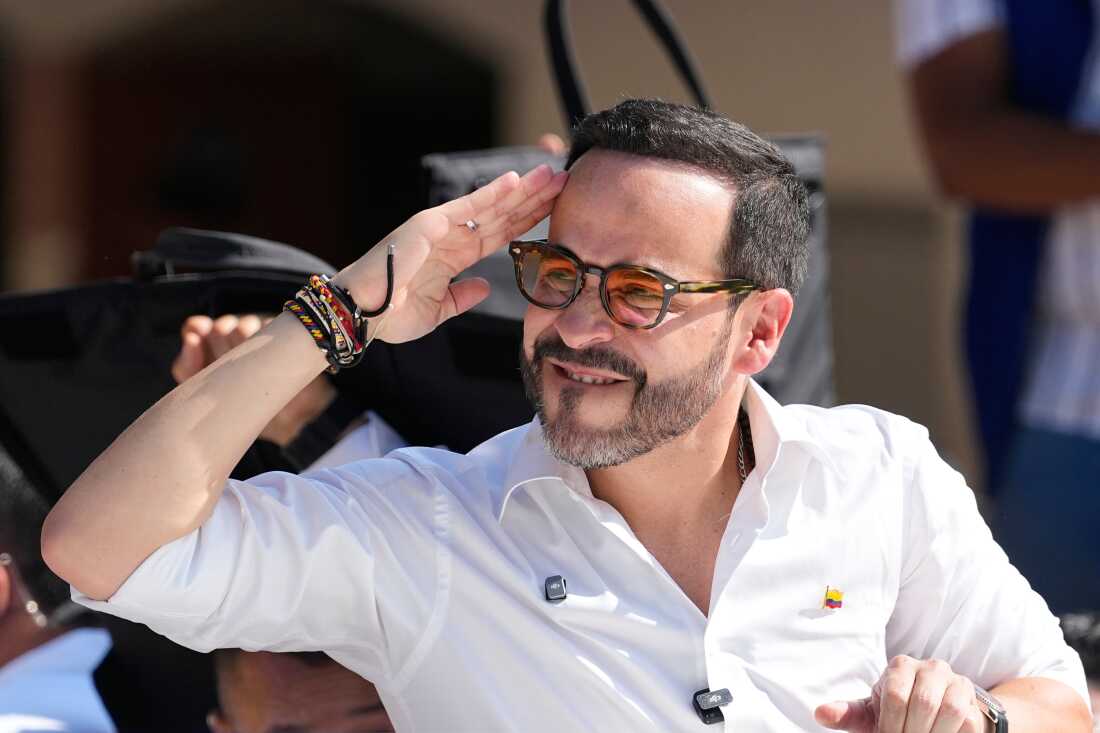
Presidential candidate Abelardo de la Espriella of the Defenders of the Motherland movement rises to prominence in Colombia’s presidential race. After the first round of voting in Barranquilla on May 31, 2026, de la Espriella leads with 44% of the votes. Iván Cepeda, an ally of outgoing President Gustavo Petro, follows closely with 41%. A second round in June is now unavoidable as no candidate secured a majority. The result became contentious, with Cepeda and Petro alleging vote manipulation without evidence.
Cepeda, a progressive senator, remains committed to achieving ‘total peace’ through dialogue with guerrillas and criminal gangs. However, de la Espriella’s promise to tackle armed groups head-on has gained traction among voters. De la Espriella’s approach has drawn comparisons to the policies of El Salvador’s President Nayib Bukele, known for reducing crime but criticized for human rights issues.
“Let the United States and democratic parties monitor this runoff election. I will lead this battle; I will be Colombia’s best warrior,” declared de la Espriella. His message echoes support for U.S. President Donald Trump.
Voters across Latin America increasingly favor candidates who prioritize firm security measures over progressive policy approaches. The Trump administration’s influence in the region has further pushed this trend, encouraging nations like Colombia to combat crime more aggressively.
The upcoming election stands as a critical decision point for Colombia. It represents not only a choice between two candidates but also two opposing visions for Colombia’s future. On one side, Cepeda aims to extend Petro’s progressive policies and peace negotiations. On the other side, de la Espriella intends to enforce strict measures against crime.
The election also marks a decade since Colombia’s historic peace pact with FARC guerrillas. Yet, renewed violence has darkened the optimism surrounding that agreement, with criminal groups exploiting negotiation phases for territorial expansion. This backdrop frames the current electoral choices.
Maria Eugenia, a Bogotá seamstress, expresses support for de la Espriella. She argues that decisive action against crime is necessary to curb violence worsening in rural regions. Meanwhile, Juan Acevedo, a sociologist, favors Cepeda’s approach, albeit criticizing Petro’s administration for not fully achieving its reform goals.
Colombians remain divided on how to address their nation’s enduring conflict. Some advocate for forceful interventions, while others insist on sustained efforts toward peaceful solutions.