Concerns Arise Over Canada’s Assisted Dying Program After Grandmother’s Death
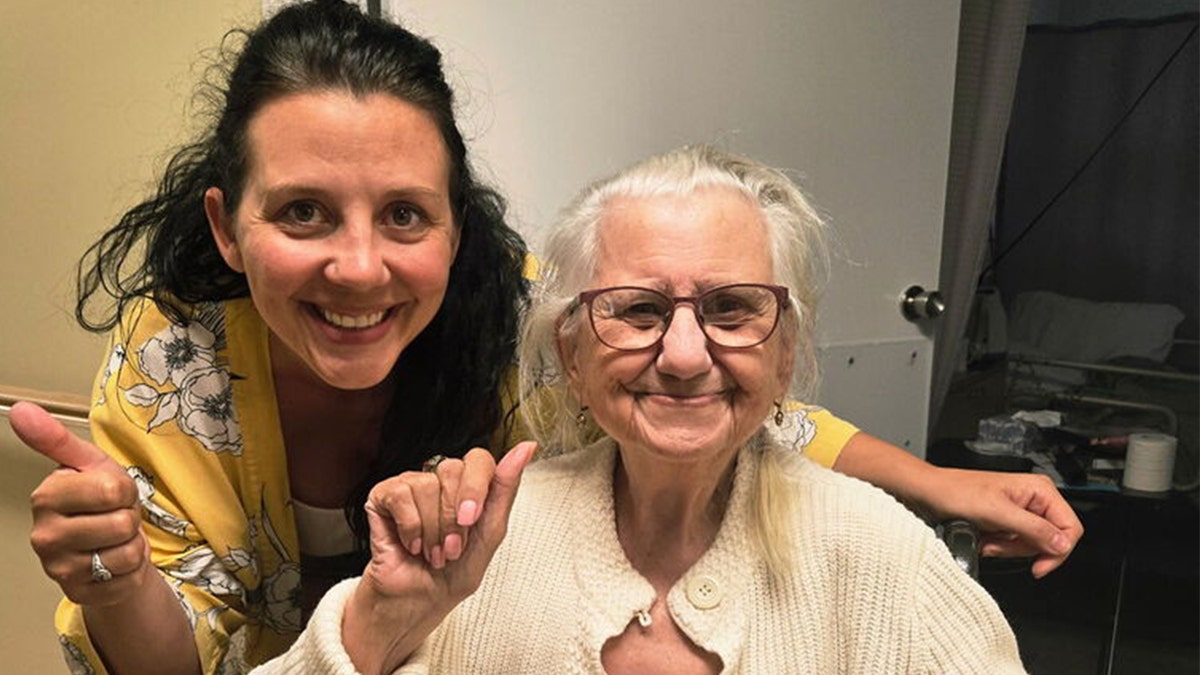
The family of Brigitte Stegemann, an 83-year-old Canadian woman, is seeking answers after her death under the country’s Medical Assistance in Dying (MAiD) program. Concerns persist regarding her mental state and consent to the procedure.
The Daily Mail reported on the incident involving Stegemann, a Christian grandmother, who died on July 10 under the physician-assisted suicide program. According to her granddaughter, Brigitte Kranendonk, Stegemann showed signs of cognitive decline and was upset when learning the procedure meant the end of her life.
Kranendonk, who was her grandmother’s primary caregiver, stated that despite Stegemann’s physical and mental challenges, she had a healthy appetite even after a stomach cancer diagnosis. As a result, the family decided to place her in The Pearl care home in Cannifton.
During a 10-day road trip with her husband in June, Kranendonk remained in touch with the care home. She learned about her grandmother’s fall and need for a wheelchair but was not informed of significant deterioration.
Kranendonk learned on July 3 that a MAiD assessment was scheduled for Stegemann, though her grandmother had previously rejected the idea. She accused a nurse of being defensive when questioned about who initiated the MAiD discussion.
Following her trip, Kranendonk found that Stegemann had already undergone an initial MAID consultation. The grandmother reportedly struggled with a mental capacity assessment, having difficulty identifying family members correctly.
During a second assessment, Kranendonk claimed the doctor used vague terms without mentioning death or dying. The explanation involved ‘giving medicine’ and assuring Stegemann of feeling ‘at peace.’
Two days before Stegemann’s scheduled procedure, when asked by Kranendonk about understanding the procedure, Stegemann expressed regret, stating she had ‘made a mistake.’ Despite this, Kranendonk decided not to challenge the procedure legally.
During the procedure, Kranendonk observed that the nurse administering the IV struggled, leading to bleeding. The doctor proceeded, and her grandmother died within 10 minutes.
Kranendonk regrets not applying for a legal injunction and is appealing to the Chief Coroner’s Office, Patient Ombudsman, and Belleville Police to investigate the matter.
Canada’s MAID law, enacted in 2016, accounts for one in every 20 deaths, according to the BBC. Mira Metter, Director of Broken Country, emphasized the need for critical examination of MAID’s safeguards. Laura Echevarria from the National Right to Life highlighted the ethical concerns of such programs.
Brigitte Kranendonk is appealing for investigations to ensure legality and correctness in MAID implementations, stressing the importance of safeguarding vulnerable individuals.