Confronting a Crisis: The Case of Jordan Neely and Daniel Penny
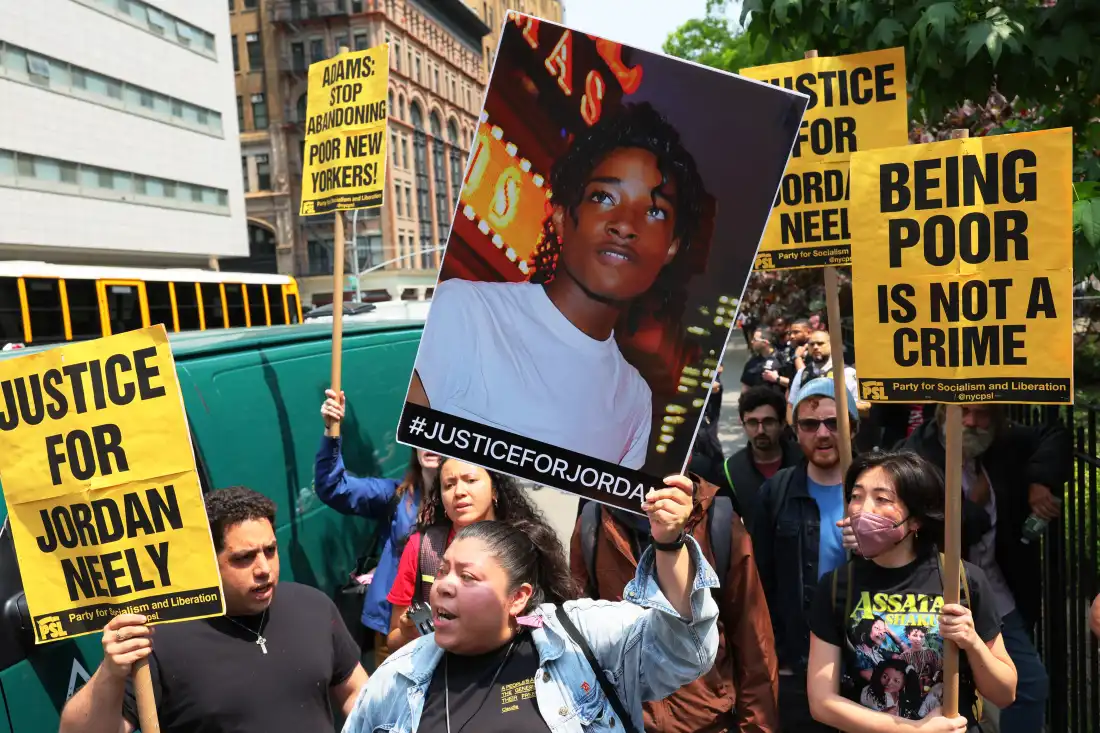
On May 1, 2023, Jordan Neely, an unhoused Black man, boarded a subway train in New York City. Known previously for his Michael Jackson impersonations, Neely was in distress that day, shouting threats that alarmed other passengers. Tragically, the situation escalated when Daniel Penny, a white former Marine, intervened by placing Neely in a chokehold, leading to his death after six minutes.
The response to the incident was divided. Some saw Penny as taking action in a situation where police were absent, while others viewed Neely as a victim of systemic failure, highlighting issues of racial injustice. Journalist Anand Giridharadas investigated the incident, aiming to uncover deeper truths about American life through his book, Man in the Mirror: Hope, Struggle, and Belonging in an American City. Giridharadas emphasizes that both Neely and Penny experienced a sense of abandonment by societal systems meant to protect them.
Abandonment and Responsibility
According to Giridharadas, Neely and Penny’s lives were marked by neglect. Neely’s history included minor offenses typical for someone experiencing homelessness in New York, but later escalated to more serious charges. He had opportunities for rehabilitation, yet slipped through the cracks due to systemic shortcomings.
Penny, hailing from West Islip, Long Island, was shaped by a community characterized by complex feelings towards New York City. Giridharadas notes that these areas often reflect middle-class migration away from urban challenges. In Penny’s case, this background fused into perceptions of taking law enforcement into one’s own hands.
The investigation illuminated the tragic consequences of this perceived void in care and safety. Giridharadas encourages reflection on societal conditions fostering these individual decisions that result in tragedy.
Aftermath and Public Response
The case incited widespread debate and highlighted polarized perspectives. Penny was eventually acquitted of criminal charges in December 2024, an outcome shaped by the jury’s indecision on manslaughter charges. Following the trial, Penny gained prominence in political circles, appearing alongside influential figures and receiving unexpected career opportunities.
Penny’s newfound role in public life became a focal point for ideologues, drawing support from certain political factions. His ensuing actions and endorsements left others questioning the implications regarding responsibility and empathy in such cases.
Parallel Cases and Wider Implications
Giridharadas observed similar narratives playing out in other cases, such as Luigi Mangione’s, which paralleled Penny’s story. Both instances illustrated the prevailing theme of individuals pushed to act by systemic failures, resonating across political spectrums.
The author highlights a broader sentiment of disillusionment, where the perception of a rigged system sparks calls for autonomous action. As communities grapple with challenges, Giridharadas suggests the necessity for renewed focus on systemic reform and support to prevent despondency and vigilantism.