Controversy Surrounds Automated License Plate Readers
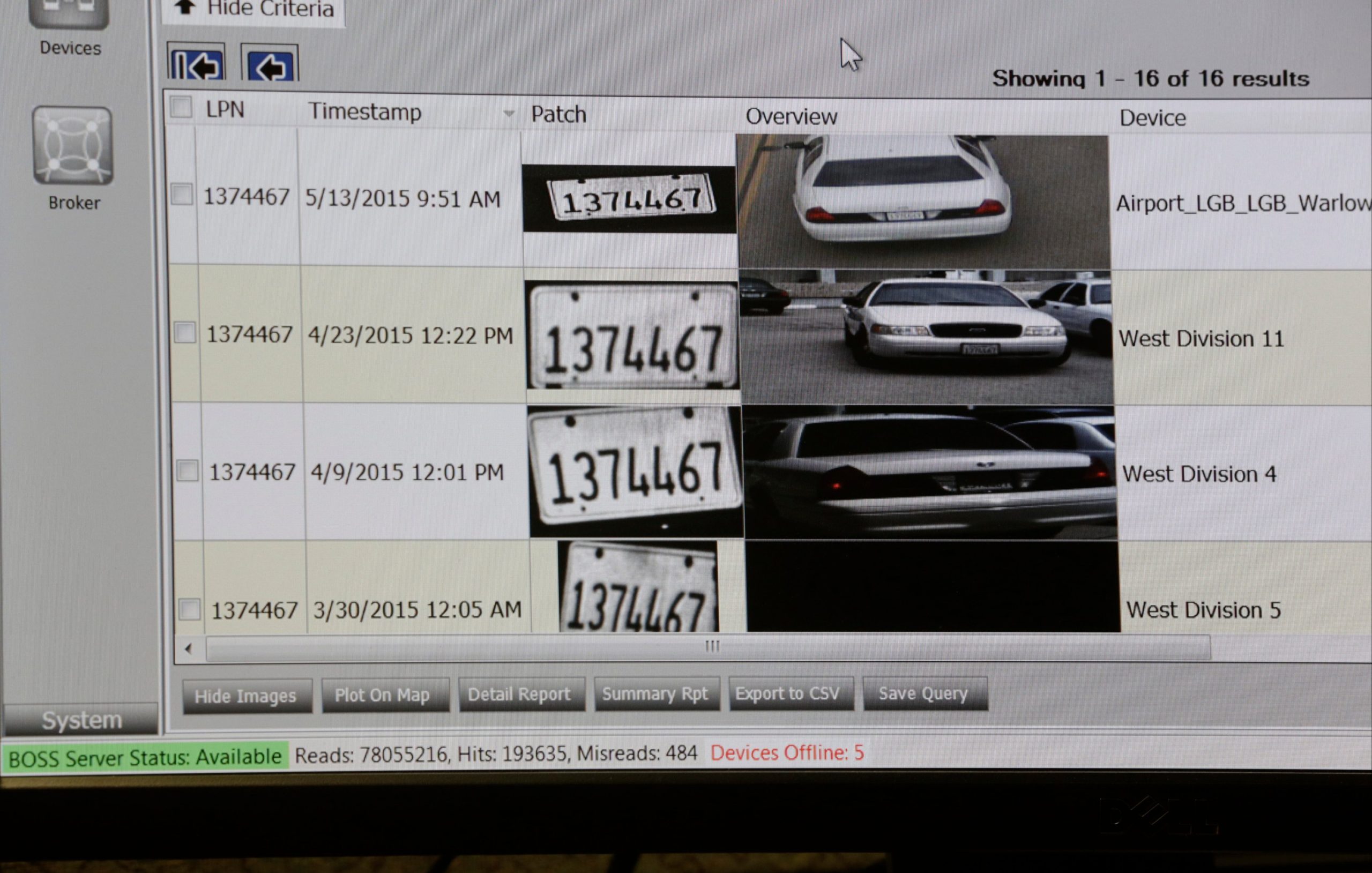
Automated license plate readers (ALPRs), like Flock cameras, have recently faced criticism across the country. These devices, while prominent, are not the only ones available. They all aim to obtain key information, such as a vehicle’s license plate, make, model, and color.
Flock advertises that its cameras can capture vehicles moving up to 100 MPH, day or night, from distances up to 75 ft. Their technology can categorize vehicles by resident status, plate type, and noticeable damage or alterations. Although Flock devices cannot measure speed, Genetec’s ALPR system can estimate a vehicle’s speed. Motorola Solutions, contributing to about 5 percent of ALPR locations tracked by DeFlock, claims its technology can identify unique vehicle features, such as bumper stickers or damage.
These cameras take images of the rear of vehicles on public roads, capturing only those that pass within view. For those interested in ALPR locations, DeFlock provides a crowd-sourced map of camera locations in the U.S. According to DeFlock, the map relies on information from volunteers and the OpenStreetMap community, not private companies or government agencies. Nexstar has not independently verified these locations.
ALPRs have been utilized for over two decades, according to the U.S. Department of Homeland Security. They can be seen on poles, streetlights, overpasses, and in mobile formats. These readers scan license plates and compare data with databases, alerting law enforcement if an identified vehicle is found. Agencies can share this information or review captures to search for vehicles.
Despite their utility, some communities in states like North Carolina, Indiana, Colorado, and Wisconsin have ceased using ALPRs. Florida’s Department of Transportation is removing highway cameras, and Texas has stopped state funding due to privacy concerns, misuse, and alleged surveillance activities.
Despite criticisms, President Trump has endorsed ALPRs. Speaking on Air Force One, he expressed support, particularly for law enforcement, while acknowledging some view them as an infringement.