Copper-Based Drug Shows Promise Against Alzheimer’s Disease
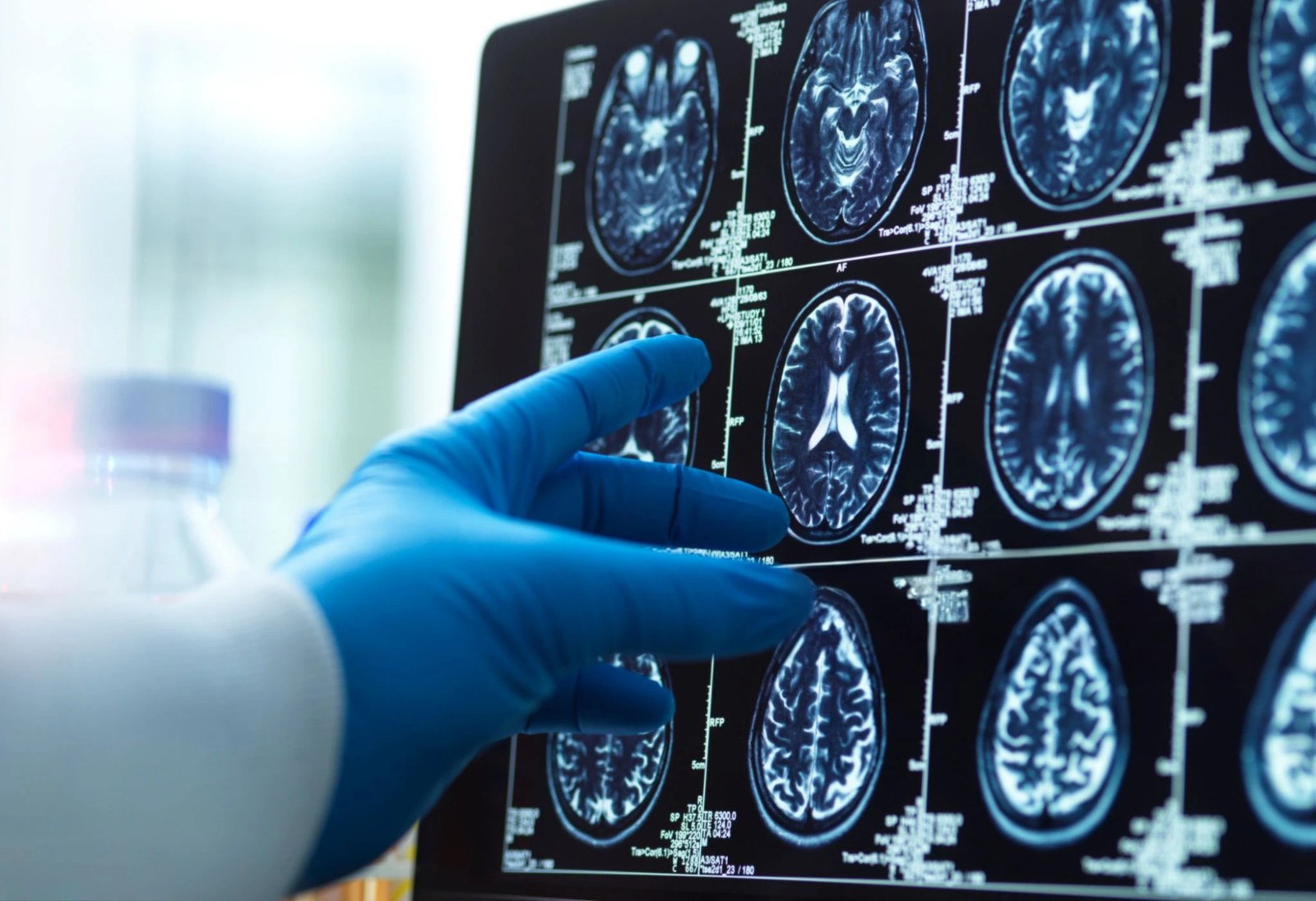
A copper-based drug could open new avenues in combating Alzheimer’s disease. Researchers at Monash University discovered that the compound, Cu(ATSM), reduced toxic brain proteins and enhanced memory in lab studies. This compound lowered levels of amyloid-beta, a protein closely linked to Alzheimer’s, and also improved spatial memory. The study, published in ACS Chemical Neuroscience, indicates a treatment targeting the brain’s waste-removal system, a known issue in Alzheimer’s patients.
Understanding Toxic Protein Build-Up in Alzheimer’s
Alzheimer’s involves amyloid-beta accumulation in the brain. Under normal conditions, proteins are cleared through the blood-brain barrier, which controls brain entries and exits. In Alzheimer’s patients, this system becomes less effective, leading to harmful protein build-up. P-glycoprotein (P-gp) pumps, which transport waste from the brain to the bloodstream, play a central role. When these pumps fail, the brain can’t clear toxic materials effectively.
Study Findings on Cu(ATSM)
The study shows Cu(ATSM) may restore this system by enhancing these pumps’ number and activity. Lead author Dr. Jae Pyun noted that the treatment improves brain blood vessel function, resulting in lower toxic protein levels and better cognition.
“This is the first study to show that Cu(ATSM) increases P-gp clearance pumps in an Alzheimer’s model by 24.1 percent, linking blood-brain barrier repair to reduced toxic proteins and improved cognitive function,” Dr. Pyun stated.
The study found a measurable effect from restoring this waste-removal pathway. Over 56 days, the treatment lowered amyloid-beta by 42 percent and improved spatial learning by nearly 44 percent. This suggests that repairing the blood-brain barrier may help slow or reverse Alzheimer’s damage.
A Drug with Previous Testing
Professor Joseph Nicolazzo stated the drug could advance to human trials swiftly due to prior safety tests in other neurological conditions. Cu(ATSM) has anti-inflammatory and neuroprotective properties previously tested for Parkinson’s and ALS.
“Reducing amyloid in the brain is a meaningful target for symptom improvement. These results strongly support testing this drug in early Alzheimer’s,” Nicolazzo said.
Outstanding Questions
Despite promising findings, questions remain about how amyloid-beta exits the brain after barrier restoration. One hypothesis is that Cu(ATSM) may boost microglia activity—immune cells breaking down toxic proteins.
Dr. Dayan Goodenowe, not affiliated with the study, stated, “Targeting blood-brain barrier and waste-clearance systems is promising, as Alzheimer’s isn’t only a plaque problem. It involves the brain’s biological environment, including inflammation, vascular function, and cellular resilience.”
Goodenowe stressed that broad brain biology influences amyloid and the focus must be on whether an intervention improves cognition and outcomes in humans.
Implications for Future Treatment
Further studies will examine these pathways in detail. Current findings highlight the promise of therapies targeting blood vessel function and protein clearance in the brain. With rising dementia rates and urgent need for effective treatments, repairing the brain’s cleaning system could be key in Alzheimer’s therapy.