Court Ruling Challenges NCAA’s New Eligibility Rule
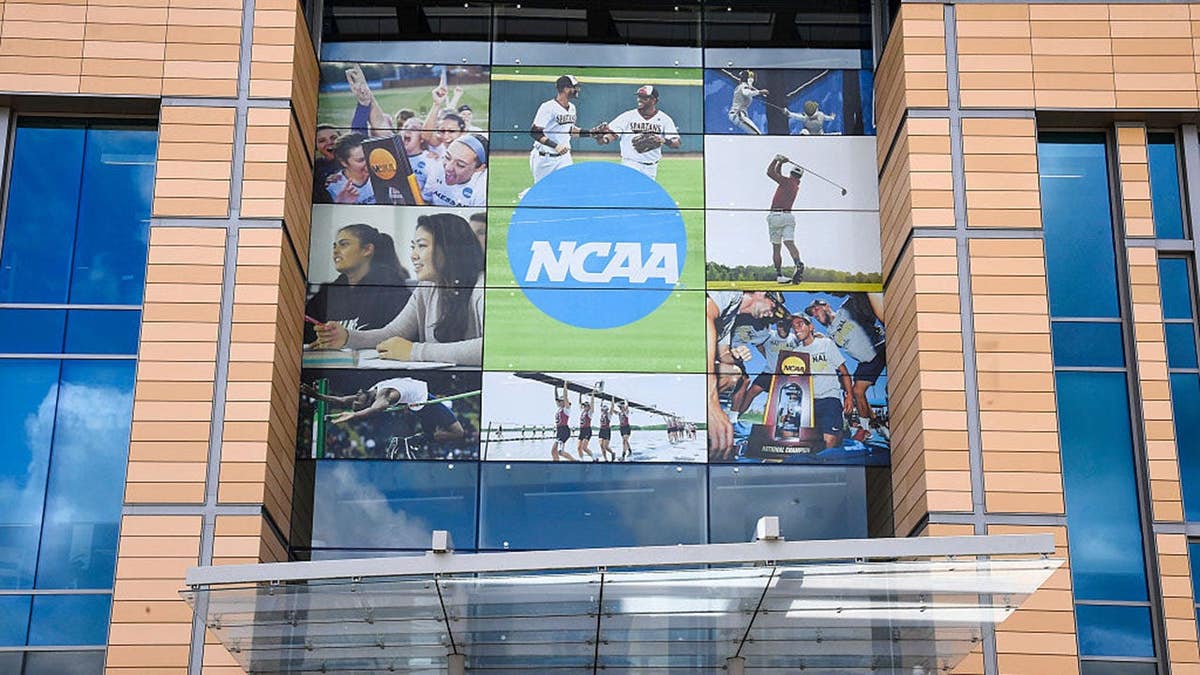
The NCAA’s recent five-and-five eligibility rule met a significant challenge from a District Court judge in Colorado. A wave of lawsuits emerged from athletes belonging to the class of 2022, who argue that the rule infringes on their rights to benefit from NIL deals and gain an extra year of eligibility.
Court Arguments and Rationale
Athletes who completed four years under the previous rule claim they should have been grandfathered in, given how the situation unfolded over the summer. These athletes believe that they deserve the same rights as those under the new guidelines.
Judge Charlotte Sweeney from the U.S. District Court of Colorado issued a preliminary injunction, ordering the NCAA to issue a blanket waiver for an additional year of eligibility. This applies to athletes who began in the 2022-2023 season, competed in NCAA Division I sports, and completed four years under the previous rules by the 2025-2026 season.
Legal Actions and NCAA’s Response
Several prominent college basketball players have filed lawsuits against the NCAA. As these cases continue in court, Judge Sweeney’s ruling requires that athletes seeking an extra year be granted that opportunity. The NCAA might consider appealing in the Tenth Circuit court, which would add another layer to this unfolding case.
Impact on Players and Schools
The ruling raises questions about athletes who went undrafted but have an extra eligibility year. It also affects roster management in college sports like football and basketball, where compliance departments across campuses are actively exploring implications.
In the case of Tennessee linebacker Arion Carter, who declared for the NFL Draft but faced injury, the NCAA reduced his initial three-game suspension to two. This forms part of broader discussions on how athletes navigating similar scenarios might be affected by the rule changes.
Future of NCAA Eligibility Policies
With this preliminary injunction in place, the future of NCAA eligibility policies remains uncertain. The organization must decide whether to issue a widespread waiver or continue legal battles. The outcome will have significant impacts on athletes and college sports teams nationwide.