Cyberattack Targets Water Systems in Minnesota
Cyberattack Disrupts Water Systems
On a recent Monday morning in Braham, Minnesota, a local water operator noticed that a pump was not functioning at the treatment plant. This issue raised concerns about water availability for the city’s residents. To address the problem, the plant was taken offline temporarily, and residents were asked to conserve water. A backup supply was used from a local tank until the issue was resolved manually within a few hours.
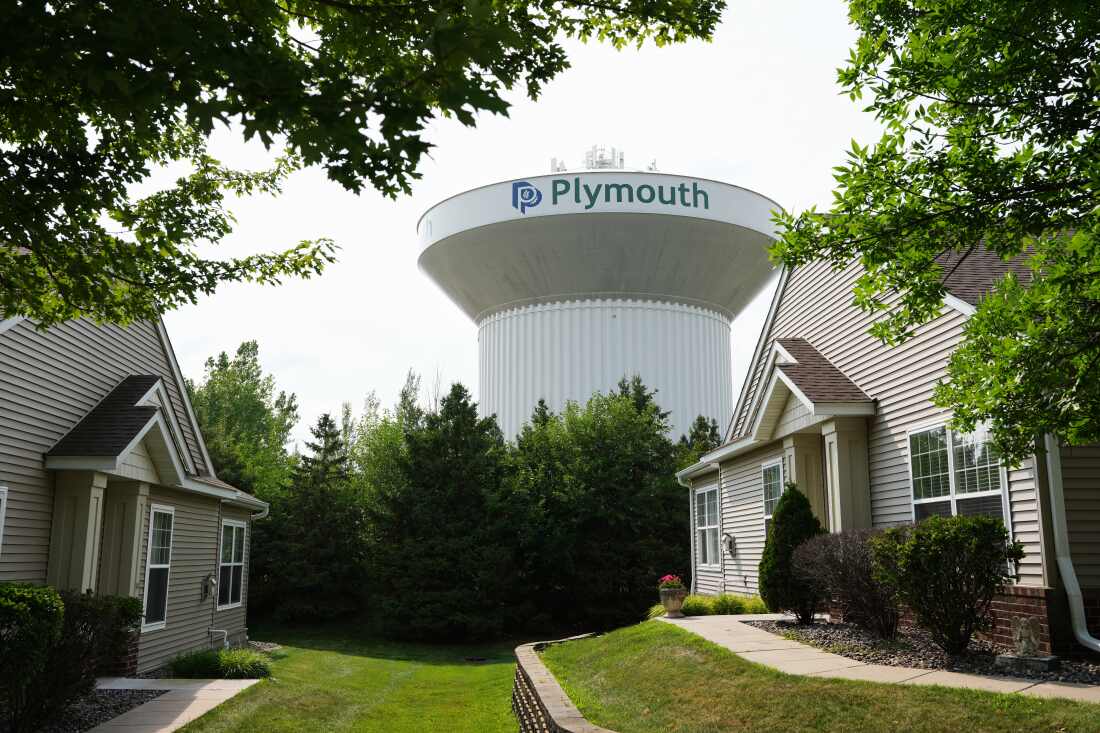
This problem was part of a larger, coordinated cyberattack that affected more than 30 water systems in Minnesota, including Plymouth.
Investigation and Possible Origins
State IT teams, in collaboration with Braham officials, discovered the outages were linked to a broader cyberattack on industrial technology across the nation. Federal and cybersecurity experts suspect Iran might be responsible. Such attacks aim to extract data or create disruptions. Hackers often ransom data or threaten essential resources to cause unrest.
“Everything’s connected to the internet in one way or another,” stated Nate George, Braham’s Mayor. He emphasized that this attack was not specifically targeting Braham but was due to vulnerabilities in internet access points.
Nationwide Impact and Reactions
Between July 26 and July 28, Minnesota experienced multiple disruptions at water plants. In Maple Plain, an emergency was briefly declared, although the threat was soon addressed. Similar issues arose in Clayton County, New Jersey, and Michigan, prompting investigations and advisories from local authorities.
The FBI confirmed that water facilities in at least seven states were attacked, and a cybersecurity organization for the water sector, WaterISAC, quickly disseminated intelligence to its members.
Link to Iran and Strategic Implications
While there’s no official confirmation of responsibility, similar attacks have been linked to nation-states, particularly during geopolitical tensions. Historical precedents, such as Russian attacks on Ukrainian power grids in 2015, shed light on similar tactics.
Notably, Iranian hackers previously targeted U.S. infrastructure, including an incident in Aliquippa, Pennsylvania, where water facility machines were hijacked to display anti-Israel messages.
Security Measures and Expert Warnings
Cybersecurity firms observed a spike in attempts to identify and exploit vulnerabilities, correlating with previous similar attempts by groups tied to Iran.
Experts warn of the broader implications of such attacks. Former White House cyber director Jake Braun emphasized that Iran targets critical U.S. infrastructure for strategic impacts.
Challenges in Securing Water Systems
Local communities face substantial challenges in protecting their infrastructure. Operators deal with diverse threats, ranging from natural disasters to cyberattacks. For some, the solution involves isolating industrial technology from the internet to prevent breaches.
However, many systems rely on outdated technology, complicating security efforts. Experts like Chris Hughes in Vermont stress the importance of cybersecurity training.
Federal Leadership and Future Concerns
Efforts are underway to bolster security within the water sector. The American Water Works Association has called for increased federal funding, emphasizing the need for comprehensive security strategies. Meanwhile, state and local partnerships continue to share crucial information for swift responses.
To successfully secure water infrastructure on a large scale, experts believe federal involvement and funding are crucial. Initiatives like Project Franklin aim to support smaller communities, while ongoing discussions highlight the complexity of balancing public concerns with critical security measures.