Primary Elections Signal Shifts in U.S. Political Landscape
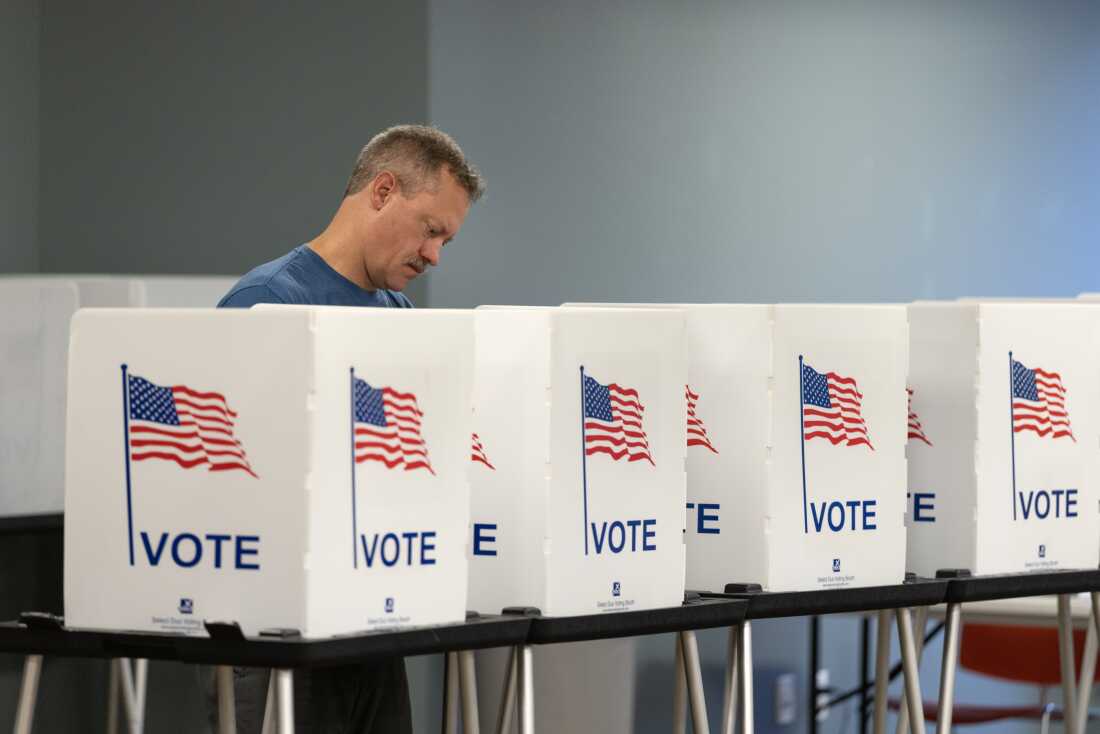
In recent primary elections across several states, voters have demonstrated significant trends and conflicts within both major U.S. political parties. These results come as both sides prepare for the upcoming November midterm elections.
Democratic Primaries Indicate Desire for Change
Democratic voters in states such as Wisconsin, Minnesota, and Connecticut have shown a preference for younger candidates advocating for progressive change. In Wisconsin, a long-serving congressman lost to a candidate under 50. The Democratic base seeks leaders who oppose President Trump’s immigration policies and push for reform.
In Minnesota, Lt. Gov. Peggy Flanagan defeated Rep. Angie Craig, marking a shift towards progressive opposition to immigration policies like the Laken Riley Act. This indicates that Democrats may want stronger resistance to policies from the Trump administration.
Republican Endorsements and Mixed Results
On the Republican side, the influence of President Trump’s endorsements was put to the test. While his backed candidates made advances in some races, such as South Carolina’s Senate primary, the outcomes were mixed elsewhere.
In Wisconsin, Trump-endorsed Rep. Tom Tiffany won his race decisively. However, in Minnesota, Mike Lindell, a Trump favorite, failed in the gubernatorial primary. Lindell faced competitive challenges, highlighting the complexities of Republican voter preferences.
Generational Shifts in Connecticut and Beyond
In Connecticut, Democratic Rep. John Larson conceded to Luke Bronin, indicating a push for generational change within the party. Bronin, a younger, dynamic figure, represents a growing desire for new leadership among Democrats.
Nationwide, over 80 Gen Z and millennial candidates are challenging older incumbents, signaling a significant shift towards younger representation in Congress. This movement reflects an increased demand for new perspectives and ideas in the Democratic Party.
Progressive Wins Highlight a Push for Change
The victory of Peggy Flanagan and the successful campaign of Francesca Hong in Wisconsin show a strong, energized progressive movement within the Democratic Party. Despite mixed receptions, these outcomes suggest a progressive tilt among voters seeking significant policy changes.
Progressive candidates are gaining ground, with notable wins in the Midwest, including Michigan, where Abdul El-Sayed secured a Senate nomination. This trend underscores the ongoing internal debate within the Democratic Party regarding its future direction.
The recent primaries provide a snapshot of the evolving political landscape, as both parties grapple with internal divisions and prepare for the midterms. These elections hint at potential shifts in policy focus and leadership across the political spectrum.