Cyclospora Outbreak Linked to Iceberg Lettuce in Fifteen States
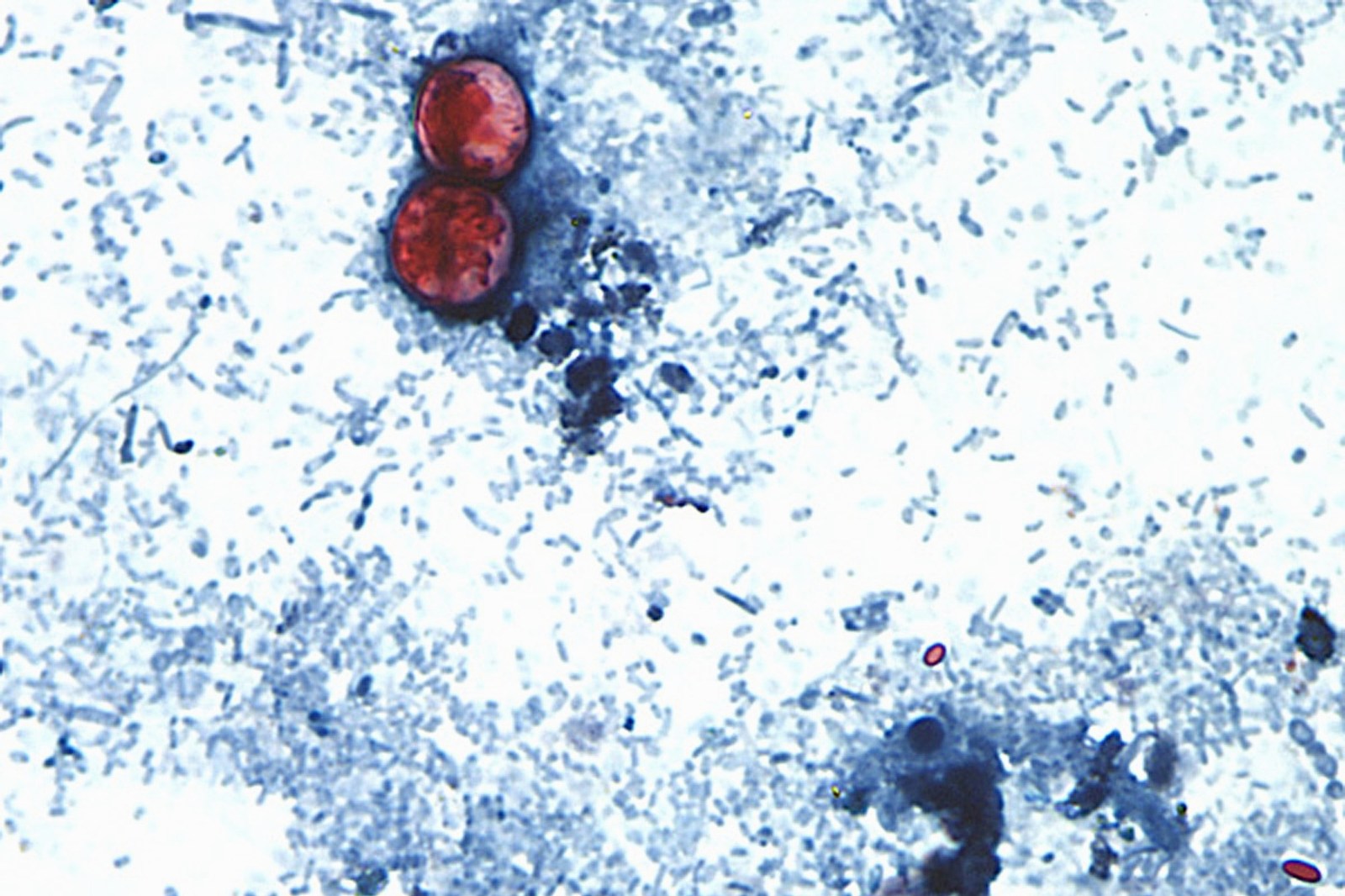
Fifteen states are now implicated in a cyclospora outbreak associated with iceberg lettuce, as reported by the U.S. Centers for Disease Control and Prevention (CDC). The CDC stated that six new states—Arkansas, Iowa, Missouri, Nebraska, New Hampshire, and North Carolina—are part of this outbreak, in addition to the previously affected states: Indiana, Kentucky, Michigan, Ohio, West Virginia, Illinois, Kansas, Oklahoma, and Pennsylvania.
This year, cases of cyclosporiasis, the illness resulting from the parasite, have appeared in at least 47 states. Investigators are working to determine how many of these cases originate from a common contaminated source.
According to the CDC, 6,358 cases have been connected to the lettuce, with at least 278 requiring hospitalization. Michigan reported the first two deaths related to the outbreak. Investigations initially focused on shredded iceberg lettuce from Taco Bell, pinpointing Taylor Farms as a source, resulting in a recall of their lettuce grown in central Mexico.
Since May 1, the CDC has noted 10,468 laboratory-confirmed domestic cyclosporiasis cases across 47 states, alongside 12,255 additional cases needing further confirmation. Significant numbers were reported in Michigan.
What Is Cyclospora?
Cyclospora is a microscopic parasite that infects food through contact with human feces, often via contaminated water used for irrigation or washing. Ingesting the parasite leads to gastrointestinal illness, with symptoms like “frequent and sometimes explosive bowel movements,” as described by the CDC.
How Many Cases Aren’t Reported?
The CDC acknowledges that its figures encapsulate only laboratory-confirmed cases. State data may contain probable and confirmed cases, potentially inflating official counts. The CDC is aware of over 12,000 additional unconfirmed or under-investigation cases, some related to international travel. The true number is likely higher, as many recover without medical intervention and testing.
Cyclosporiasis Diagnosis and Treatment
Symptoms usually appear around a week after exposure, ranging from two days to over two weeks post-exposure. Without treatment, symptoms can persist for over a month, often disappearing and reappearing during this period.
Diagnosis involves stool testing, which may require multiple samples and specialized testing not commonly conducted. Treatment typically involves trimethoprim-sulfamethoxazole, an antibiotic sold under names like Bactrim or Septra. Adequate rest and fluid intake, especially for diarrhea sufferers, are crucial. Individuals with weakened immune systems or poor health may suffer more severe or prolonged illnesses.