DOJ Charges Noncitizens with Election Crimes in California
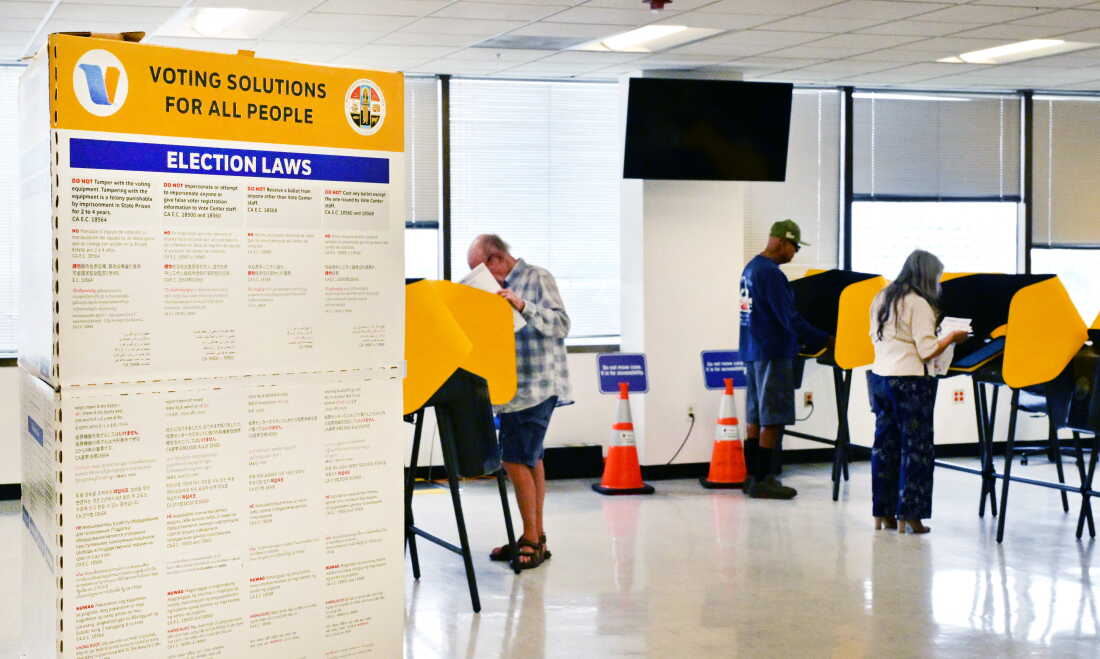
On June 1, 2026, voters in Norwalk, Calif., engaged in early voting for California’s primary election. Amidst this event, the Department of Justice charged 28 green card holders for allegedly registering illegally to vote or participating in U.S. elections. This action marks an escalation of ongoing tensions between the federal government and California officials over the state’s voting system.
On Monday, the DOJ announced charges against these noncitizens, citing further concerns with California’s voter registration practices. In response, the DOJ filed an emergency request in federal court, aiming to halt California from processing ballots from individuals labeled as “likely noncitizens.” The state has requested detailed information on the federal government’s findings but has not received adequate responses.
Acting Deputy Attorney General Trent McCotter stated, “This Department of Justice will not look the other way while noncitizens vote in federal elections.” He criticized California and Los Angeles County for their handling of voter registrations. Despite historical data indicating that noncitizen voting is not a widespread issue, the Trump administration has prioritized identifying such occurrences.
Election law expert Rick Hasen expressed concerns about disenfranchising eligible voters and undermining confidence in the electoral process. He warned that these actions could serve as a pretext to seize ballots or interfere post-election.
“There’s a few things to be worried about,” Hasen said. “One is the risk of disenfranchising eligible voters. The other is the risk that it further undermines voter confidence in the electoral process by making it seem like noncitizen voting is a major problem when it is not.”
The DOJ’s actions, including handing over a list of 20,000 names to Los Angeles County, have spurred local officials nationwide to monitor the situation closely. Dana Lewis, Republican county recorder for Pinal County, Ariz., noted that jurisdictions fear similar scrutiny and actions.
All 28 individuals charged are green-card holders. Many registered to vote decades ago, and some did not vote at all, but they supposedly falsified statements on their naturalization applications about voter registration and citizenship. Past research suggests such incidents often stem from bureaucratic errors rather than intentional fraud.
In recent weeks, the DOJ charged 113 noncitizens across 20 states with voting and registration crimes, attempting to highlight noncitizen voting as a significant issue. Given over 20 million registered voters in California, election expert Hasen argues these allegations represent a negligible portion.
Polls indicate that a significant segment of Americans worry about immigration enforcement presence at voting sites, which the law prohibits. Non-white voters, more than their white counterparts, express fears of being questioned on citizenship despite their status.
Dean Logan, Los Angeles County’s top voting official, urges voters to focus on participation and not be distracted by legal disputes or misinformation. Logan emphasized the fundamental role of voting in securing elections.
The DOJ’s request to prevent California and Los Angeles County from processing ballots from the mentioned list is unprecedented, especially considering ongoing voting activities. California officials argue this would unlawfully dismiss ballots and deny voting rights without appropriate verification. Legal references like the National Voter Registration Act aim to protect voters from erroneous removals.
The accuracy of the Trump administration’s count of “likely noncitizens” has faced challenges. Earlier suggestions by the Department of Homeland Security mentioned a potential 190,000 noncitizens. However, the DOJ has acknowledged complexities in verifying these figures.
Despite federal demands, California has resisted sharing full voter roll details that could provide further insights. More than two dozen judges nationwide have dismissed requests for this information.
The DOJ’s application for a restraining order to stop counting ballots from the 20,000 individuals highlights the perceived urgency and potential unrectifiable harm of mixing illegal ballots with lawful votes. However, voting and civil rights organizations have argued the DOJ’s demands are unlawful.
Experts like Hasen suggest this lawsuit appears more focused on political messaging than viable courtroom success, due to states’ constitutional rights to oversee elections. He believes the case will likely not succeed.