Continuing Unrest in France: Historical Patterns and Current Challenges
The bell tower of Limoges’ 19th-century city hall collapsed on Saturday, engulfed in a deliberate fire during widespread chaos in French towns and cities. Marseille saw intruders in city hall. Bordeaux experienced rioters storming the prefect’s residence. Videos from Paris and other places show looters entering shops as owners look on helplessly.
By Monday, authorities had arrested 2,400 people. Nearly 1,000 police officers and gendarmes sustained injuries. Interior Minister Laurent Nuñez offered his resignation, though President Emmanuel Macron refused it, admitting, “Yes, we lost control in some major cities.” Curfews were implemented in parts of Paris, Lyon, Lille, and Nice. Despite the prime minister describing the situation as calm, gilets-jaune organizers have called for further action this Saturday, and unions plan a national strike on November 5.
This turmoil might appear as another round of French riots. Protests, originally concerning school conditions, living costs, and resentment towards Macron, were overtaken by far-left agitators and looters. This unrest seems like a ritual; for over 240 years, France often resists reform until major crises compel change.
Historical Cycles of Rupture in France
France’s inability to enforce change short of a rupture is a long-standing habit. This tradition, dating back before the Republic, was marked by revolutionary violence that would be recognizable to 18th-century Jacobins today. During Louis XVI’s reign, the monarchy invested heavily in America’s independence, amounting to about 1.3 billion livres, nearly equivalent to three years of tax revenue in 1776. Unable to reform a tax system full of exemptions, France borrowed the funds. By 1786, servicing debt consumed almost half of all royal spending. A proposed land tax failed when influential figures resisted, leading to the summoning of the Estates-General. Subsequent events precipitated the revolution of 1789.
The revolution led to cleansing through violence, exemplified by the Terror’s 17,000 executions. Napoleon’s Russian campaign resulted in 500,000 casualties from disease and cold. Wars with Britain ended in defeat at Waterloo. Massive political shifts followed as France went through three monarchies, two empires, and three republics between 1789 and 1871, with additional conflicts in 1830 and 1848, a coup, and the Paris Commune struggle.
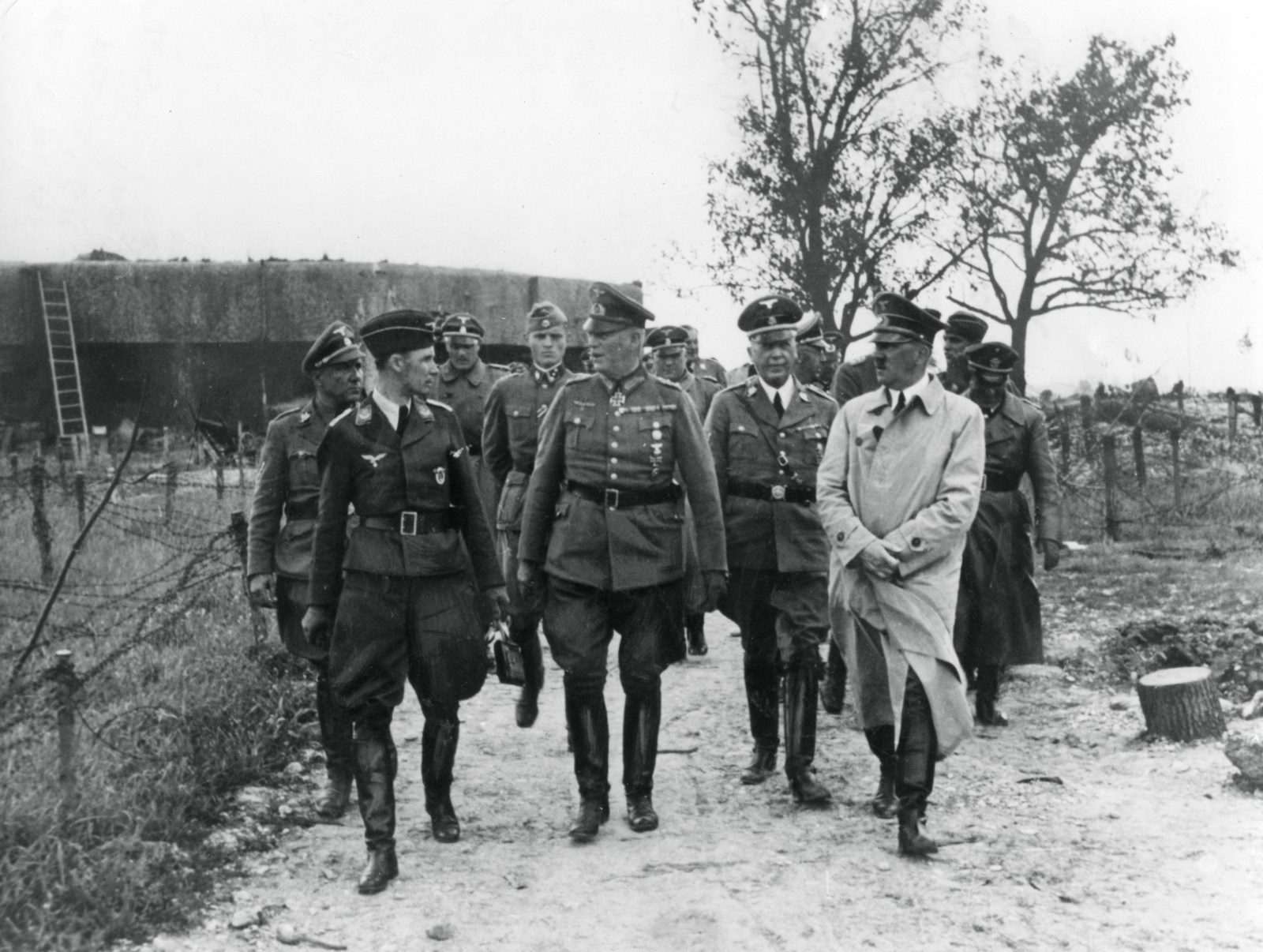
When World War I came in 1914, French strategies failed. Over 27,000 French soldiers died on August 22, the nation’s deadliest military history day. After the war, France built the Maginot Line, engineering marvels the Nazis bypassed when they advanced through the Ardennes forest, judged impassable. France fell to Nazi occupation in six weeks in 1940.
Today, fiscal woes persist. Government expenditure reaches about 57% of national output, above the euro-area average, yet tax collections fell short, leading to a 5.1% GDP deficit last year. Public debt hit 119% of GDP by June. Pensions, consuming 14.1% of GDP, account for nearly a fourth of public spending. Macron’s efforts to raise the retirement age from 62 to 64 were blocked to pass a budget. The labor market stagnates, burdened by bureaucracy.
Political leaders offer few solutions. Marine Le Pen of the National Rally proposes returning retirement to 62, costing €9 billion annually, as per Institut Montaigne’s estimate of €34.7 billion yearly for her party’s similar 2024 plan.
French and German government debt yields diverge as bond traders see trouble in France’s present and future. Trump commented that France’s unrest ties to immigration, while officials point to ultra-left militants and opportunistic looters.
Challenges of Integration
Immigration intersects with the current chaos. Deprived suburban estate men, called the banlieues, become focal points in tension. These regions harbor ethnic minorities disaffected with societal standing, many tracing lineage to former French colonies in Africa. Discrimination against these communities comes from name-based employment penalties in government-backed hiring studies, revealing a 31.5% lower callback chance due to North African names.
Despite challenges, integration strides exist. Language acquisition, mixed partnerships, and socioeconomic improvements showcase progress. A May survey showed 94% of children with immigrant parents feeling French while acknowledging persistent educational and employment inequalities.
However, when economic stress strikes, these inequalities become stark, as observed during the energy crisis from wars in Ukraine and Iran. Macron’s recent Gulf tour for fuel deals followed a city visit overshadowed by nearby unrest.
Protests and Education’s Role
The protests initially revolved around educational inadequacies like staff shortages, particularly in areas like Seine-Saint-Denis with high immigrant populations. While the system struggles to integrate, it’s overwhelmed by issuing 384,230 residency permits, a 11% rise from the previous year according to critics like Le Pen, advocating for stricter immigration controls and deportations.
France enforces strict secular policies, banning public school headscarves since 2004 and public face veils by 2010. Classroom abayas were prohibited this year. Yet, the underlying issue remains unaddressed. France’s current budget cut 3,000 teaching jobs, only promising replacements after prolonged blockades.
The hopeful view credits France’s ruptures for eventual regeneration, with the postwar boom and enduring Fifth Republic since 1958. Many of the recent protestors demand effective governance, which is reasonable.
The question remains whether France’s self-destructive cycle can cease for needed reforms. Can fiscal challenges be addressed pragmatically? Can attitudes towards immigration be effectively managed? Can disaffected minorities find full integration? History suggests the cycle will persist. The division between far-left and far-right views deepens as the center loses ground with Macron’s faltering leadership.
French citizens excel at protesting, yet their leaders fail to sustain improved governance, leading from one unrest to the next.