Ebola Outbreak in Congo Accelerates Rapidly, Posing Challenges
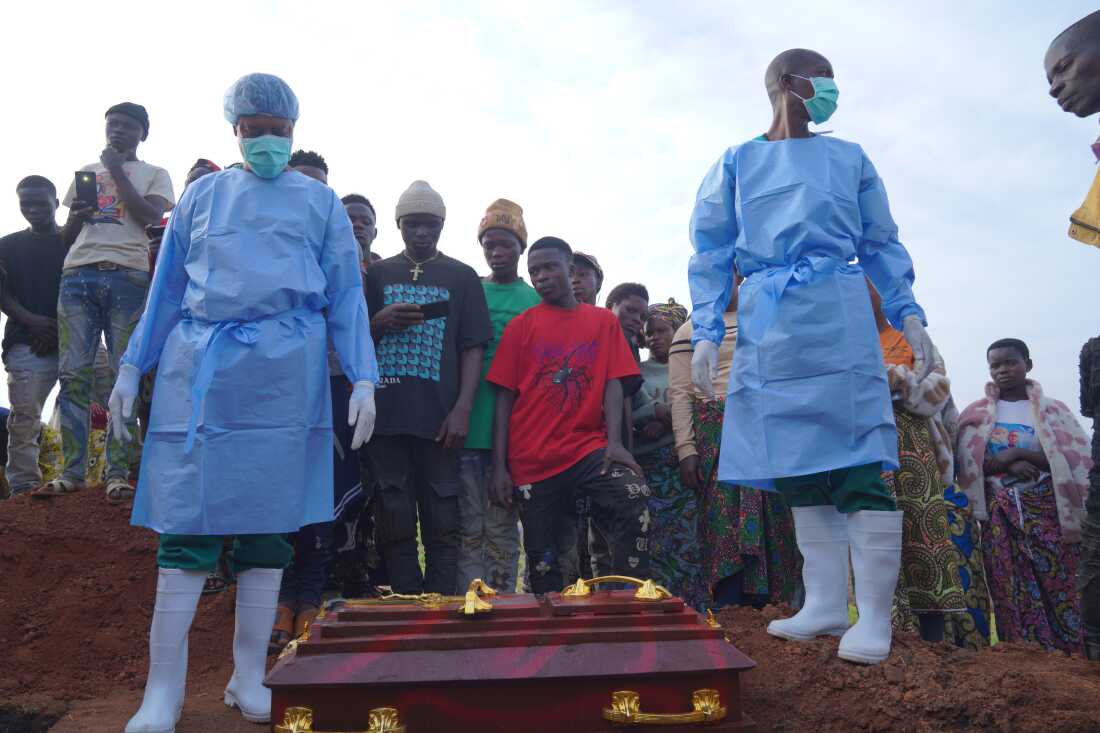
BUNIA, Congo — The Ebola outbreak in Congo has reached alarming levels, with government figures revealing 5,000 cases, according to data released Wednesday. This surge worries responders as the virus spreads at an unprecedented rate, outpacing containment efforts in one of the nation’s most remote regions.
Current Situation
Data from the Ministry of Health shows 5,021 recorded cases, including 2,378 deaths by Sunday. The outbreak is fueled by insecurity, displacement, and active population movements, making it one of the deadliest in history. The World Health Organization predicts it may surpass the 2014 to 2016 West Africa outbreak, which claimed over 11,000 lives. The current outbreak is spreading roughly three times faster than any prior incident.
“The outbreak has spread rapidly and the risk of further national and international spread remains high,” said WHO Director-General Tedros Adhanom Ghebreyesus.
Nurse Thérèse Anyiya, based in Bunia, expressed frustration over exhausting work conditions and some health workers striking due to unpaid salaries. Anyiya stressed the need for effective management to prevent further withdrawal of medical staff.
Challenges and Response Efforts
A key obstacle lies in the absence of approved vaccines or treatments for the rare Bundibugyo virus. New cases often arise beyond the monitored groups, showing rapid virus spread and taxing surveillance teams as they race to manage the situation effectively.
Local Violence and Misinformation
Ituri province, severely hit by the outbreak, has seen violence that hampers response efforts. On Monday, residents attacked a health team in the Aru territory, burning an ambulance and damaging vehicles after a suspected case emerged. Michael Wani, head of the Union of Cultural Associations for the Development of Ituri, reported the incident.
Dr. Martin Cwinyay is working on efforts in Ituri, emphasizing the need to enhance response accessibility, particularly in rural and mining areas. Trish Newport, MSF’s emergency coordinator, highlighted the necessity for communities to understand the outbreak, recognize symptoms, and know response steps effectively.
Limited Care and Resulting Fatalities
Experts suggest the virus began its spread from Mongbwalu, a mining town, in February before authorities acknowledged the outbreak in mid-May. Responders also face opposition from rebel groups and communities scarred by years of trauma, complicating access to affected regions due to poor road conditions.
Despite the 2014-2016 outbreak’s high death toll, this Bundibugyo strain results in a higher death rate due to delayed or limited care. Many residents report symptoms late or not at all. Severity varies across the affected six provinces, with North Kivu experiencing a 70% fatality rate compared to an overall 47.4% case fatality rate.