Ebola Outbreaks Highlight Fragility of Global Health Systems
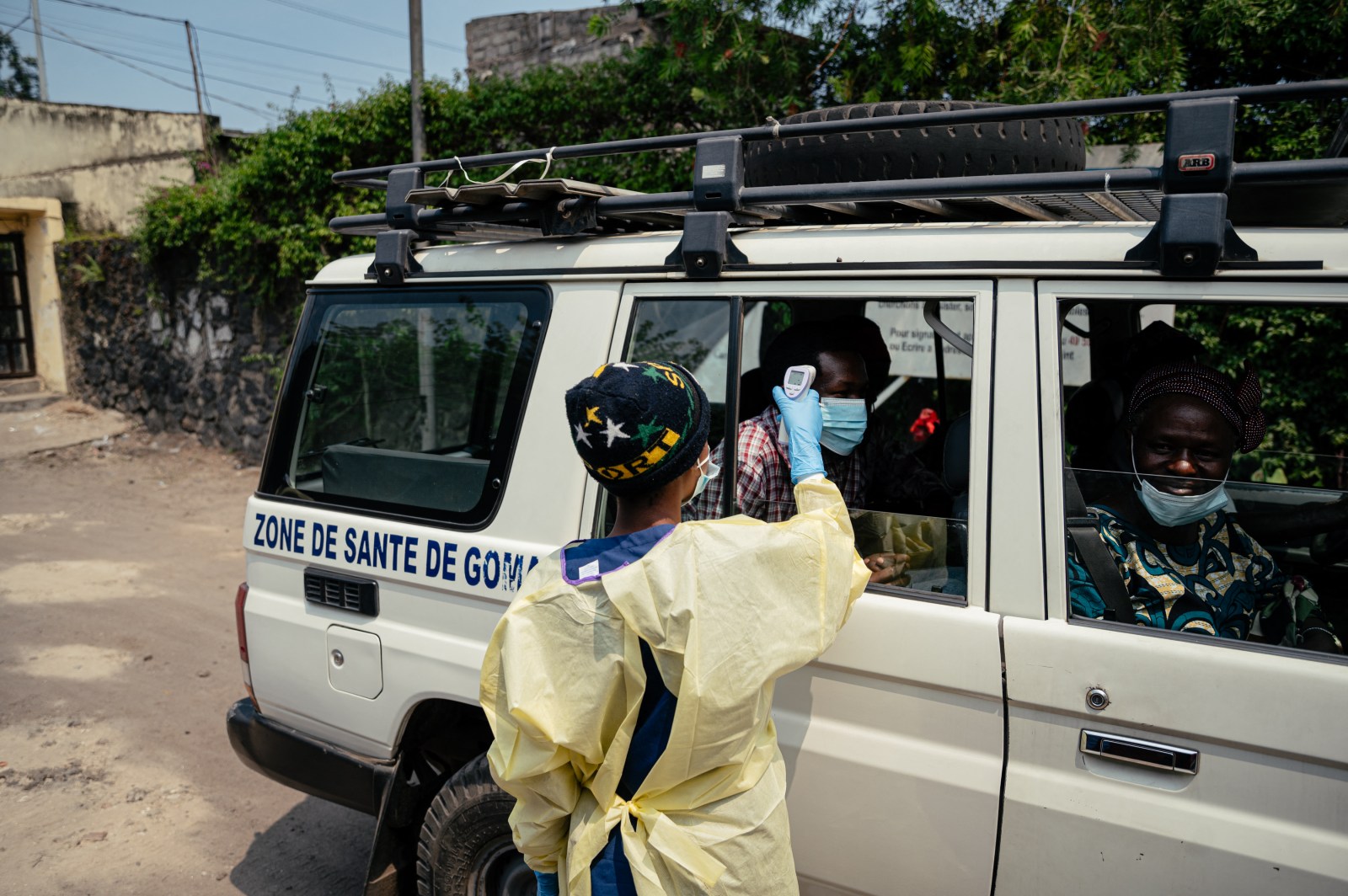
The Ebola virus is often perceived by many Americans as a crisis distant from their day-to-day lives. However, the virus has consistently proven that it is not restricted by borders. The 2014 Ebola crisis in West Africa led to over 11,000 deaths and significantly disrupted health services in Guinea, Liberia, and Sierra Leone. This epidemic reached various countries, including Italy, Mali, Nigeria, Senegal, Spain, the UK, and the USA. Cases in Texas and New York served as reminders that diseases, regardless of origin, can quickly reach our communities. The World Bank estimated economic losses for West Africa during this period to be in the billions.
A robust global outbreak-response system, fostered through international collaboration, played a crucial role in preventing the Ebola crisis from escalating further. This system consisted of disease surveillance, laboratory networks, emergency teams, and international aid. The USA and European governments heavily financed these initiatives, with the United States alone committing over $5.4 billion to fight Ebola domestically and globally.
A decade later, the world is grappling with a new Ebola outbreak in the Democratic Republic of Congo (DRC) and Uganda. The Bundibugyo strain, previously unencountered by many labs, has complicated early recognition of the virus. By the time authorities identified it, the virus had spread via funeral gatherings and crossed into Uganda’s conflict-affected regions. The World Health Organization (WHO) has declared it a Public Health Emergency of International Concern, with more than 860 suspected cases and 200 deaths reported.
Current challenges differ due to the Bundibugyo strain’s novel behavior. Unlike the Zaire strain, there is no approved vaccine or specific treatment, leaving communities vulnerable. The absence of vaccines and treatments has caused significant concern among health experts.
The broader problem extends beyond the virus itself to a deterioration in global health infrastructure. For years, the United States bolstered the world’s epidemic preparedness through USAID, CDC, PEPFAR, and partnerships with international health agencies. The Global Health Security Agenda launched in 2014 furthered these efforts, resulting in strengthened laboratory networks, field epidemiology training, and improved disease surveillance.
These systems typically go unnoticed when they function well because they prevent outbreaks from escalating. Unfortunately, they are now underfunded and facing challenges amid rising zoonotic risks, climate-related disruptions, and regional instability.
Recent U.S. policy decisions have further undermined global health efforts. By January 2025, the Trump administration’s ‘America First’ approach had scaled back U.S. foreign assistance, weakening programs in DRC and other regions. By July 2025, under Secretary of State Marco Rubio, the decision to have the State Department manage foreign aid marked a departure from USAID’s previous responsibilities. This shift severely impacted outbreak preparedness, laboratory enhancement, and disease monitoring efforts.
Global health experts warn that these cuts left critical disease surveillance programs in a precarious state, stalling efforts to track pathogens. These funding reductions and the U.S.’s withdrawal from global health collaborations have jeopardized real-time data sharing essential for timely outbreak detection.
However, the outbreak can still be controlled. Vital infrastructure established after the 2014 epidemic remains and must be urgently utilized. While the UK and European countries intend to cut overseas aid, weakening global support systems, timely actions can prevent further fatalities.
Infectious disease threats do not linger in their countries of origin. The Africa CDC warns of potential impacts on ten African nations. Recent events include the U.S. CDC confirming an American health worker in DRC contracted the disease and was evacuated to Germany. Another American, considered a high-risk contact, was taken to the Czech Republic, raising global transmission concerns.
The outbreak in the DRC and Uganda signals a potentially larger crisis. Wealthier countries are pulling back from systems that once ensured their safety. Governments must address this risk to prevent more dangerous and costly future outbreaks. Thoai D. Ngo, chair at Columbia University’s Mailman School of Public Health, emphasizes these urgent challenges.
The views presented are the author’s own.