Houthi Rebels: Iran’s Key Ally in the Middle East
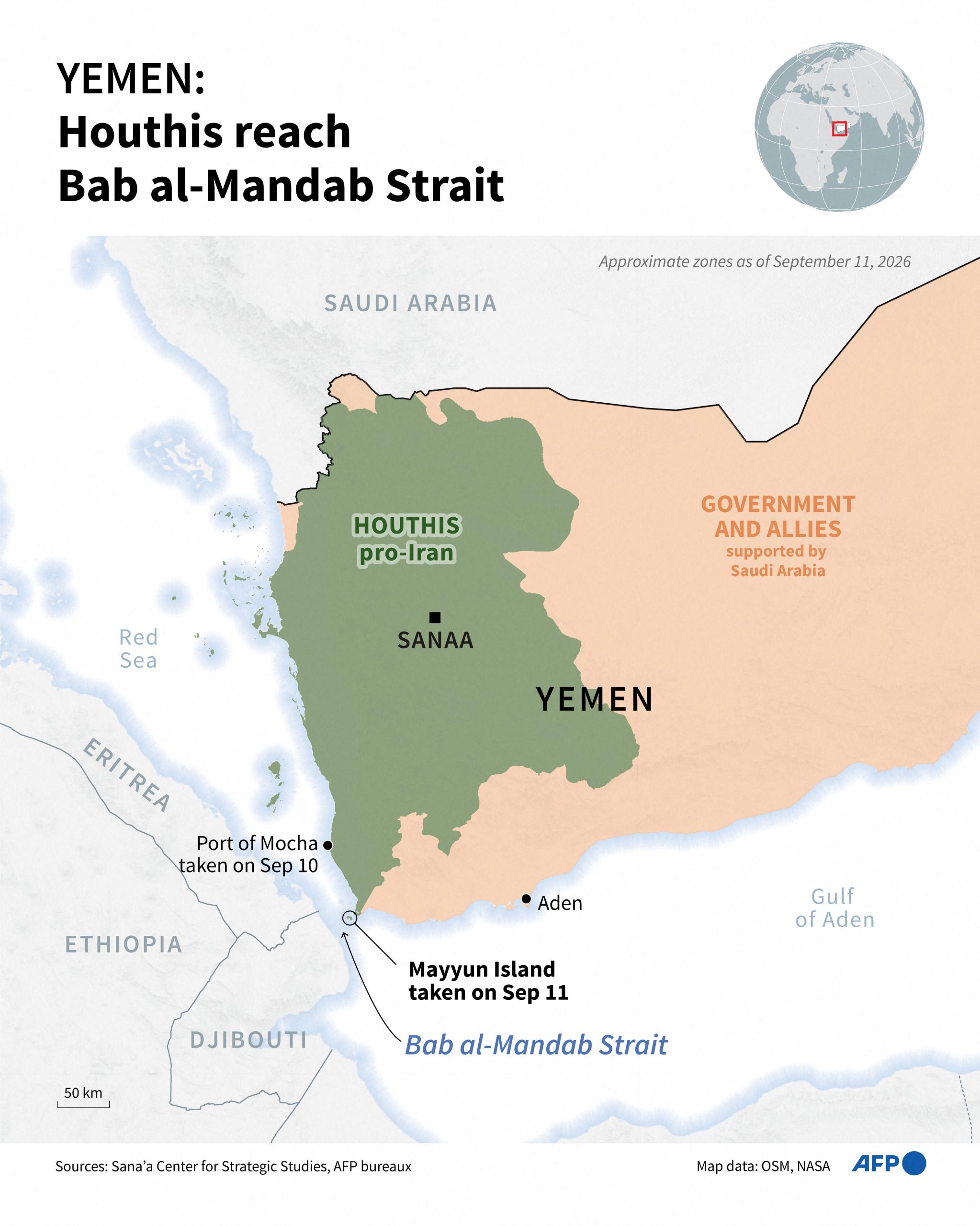
In recent years, Yemen’s Houthi rebels have risen in prominence, evolving from a little-known group to a major player in the Middle East. They have emerged as Iran’s crucial ally and a significant opponent to both the United States and its regional allies.
Role and Influence of the Houthis
The Houthis have become central in the Middle East due to their ability to execute effective asymmetric warfare tactics. Their actions often complement Iranian interests and illustrate how a group with guerrilla warfare strategies can inflict substantial damage, particularly with aerial attacks that are hard to defend against.
Conflicts and Attacks in the Region
The Houthi group launched attacks on Israel soon after the United States supported Israeli strikes on Iran, contributing to the ongoing conflicts in the Middle East. One of the primary targets of the Houthis is Saudi Arabia, a key American ally. Recent Houthi attacks have resulted in over 20 fatalities at Saudi airports.
These attacks have also impacted Saudi oil infrastructure, raising global energy prices as they threaten vital maritime routes like the Bab el-Mandeb Strait.
U.S. Response and Military Strategy
The United States has been approached by Saudi Arabia to join military operations against the Houthis. Initially, President Trump declined but has since reconsidered this stance.
Experts, such as Mohammed Al-Basha of the Basha Report, emphasize the significant role of the Houthis as Iran’s most influential proxy. Any military strategy involving Iran must account for the potential actions of the Houthis.
Houthis’ Goals and Military Tactics
The Houthis aim to control Yemen and gain legitimacy. Their strategies are supported by advanced equipment from Iran, allowing them to conduct complex, layered attacks using drones and missiles.
Yahya Saree, the Houthi military spokesman, claims their actions against Saudi Arabia are in response to aggression. However, analysts like Al-Basha argue they are driven by a desire for power and recognition.
Origins and Ideology of the Houthi Movement
The Houthis originated from the Zaydi Shiite Muslim sect, representing a significant portion of Yemen’s population. Initially formed to protect Zaydi culture, the movement evolved with a broader militant agenda, possessing an extensive force of combat-ready fighters.
Their rise began in 2012, using regional unrest to expand their influence. By 2014, they had seized Yemen’s capital, commencing a civil war with a Saudi-backed government now based in Aden.
Iran’s Support and Technological Advancements
The Iran-backed Houthis have received substantial training and resources, developing their capabilities to produce weapons like drones and missiles. Reports suggest they might employ AI technology in weapons development.
Their relationship with Iran is reciprocal. With weakened groups like Hamas and Hezbollah, the Houthis have become vital to Iran’s regional strategy, offering low-cost yet impactful methods to challenge Saudi Arabia and others.
The Broader Impact on Yemen
Yemen remains embroiled in conflict with complex internal dynamics. Despite their coordination, opposing forces are fragmented, complicating efforts against the Houthis. This ongoing conflict has resulted in significant casualties and widespread displacement of civilians.
United Nations estimates indicate that 377,000 people have died since 2015, with many suffering from indirect consequences like famine and disease due to the war.