Egypt Announces Major Archaeological Discoveries to Boost Tourism
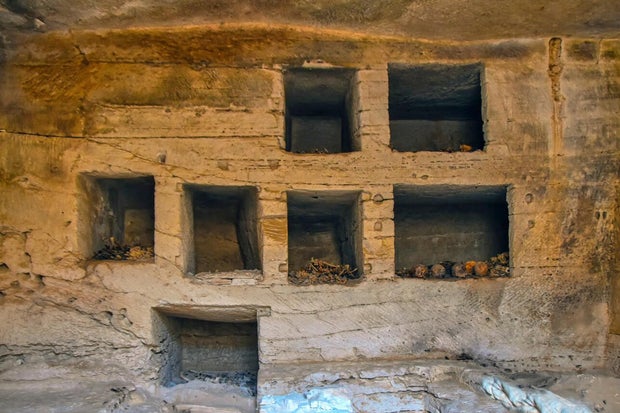
On July 4, 2026, Egypt announced two major archaeological discoveries that are expected to enhance the country’s tourism sector, prominently driven by interest in antiquities. These finds, located at the Dakhla Oasis and the Marina el-Alamein archaeological site near Alexandria, offer new insights into ancient history and civilization.
Dakhla Oasis Discoveries
The Dakhla Oasis, situated in Egypt’s western desert, dates back to the Byzantine era of the fourth century. This residential city provides a glimpse into daily life, urban planning, and economic activities when Egypt was part of the Byzantine Empire. Archaeologists uncovered streets and public squares, a mid-fourth-century basilica church overlooking main roads, and two watchtowers that guarded the perimeter.
A notable find includes the house of Tisous, identified as a church deacon’s residence, believed to have operated as a house church before the basilica construction. The area also features food production facilities like bread ovens and stone grinding tools.
Artifacts such as bronze and gold coins were discovered, bearing portraits of Byzantine emperors and Christian symbols. Pottery fragments with inscriptions, known as ostraca, were found, detailing commercial transactions and daily correspondence.
Marina el-Alamein Site
The Marina el-Alamein archaeological site, roughly 62 miles west of Alexandria, revealed 18 ancient tombs. These include 11 rock-cut tombs, averaging 26 feet deep, and seven surface limestone-built tombs. The total tomb count at the site now stands at 48.
Archaeologists found pottery vessels, amphorae, lamps, plates, altars, and limestone basins at the site. An 8-foot-long granite sarcophagus, currently under study, was discovered alongside skeletal remains. Nearby, remnants of a plaster sphinx statue were found. A unique discovery included four gold pieces placed inside the mouths of some deceased individuals, associated with funerary beliefs of the time.
Marina el-Alamein is believed to be the ancient Greco-Roman port city of Leukaspis, constructed in the second century. It prospered until it was devastated by a tsunami in the fourth century.
Impact on Tourism
The tourism sector in Egypt is gradually recovering after the challenges of political upheaval and the COVID-19 pandemic. It recorded 19 million tourists last year, marking a significant 21% increase from 2024. In 2026’s first four months, 6.1 million tourists visited, reflecting growth compared to the same period in 2025.
These prominent archaeological findings are expected to attract more visitors and aid Egypt’s economic recovery, which largely relies on tourism and other sources such as the strategic Suez Canal.