EPA’s Repeal of Climate Rule Sparks Debate Over Coal Power
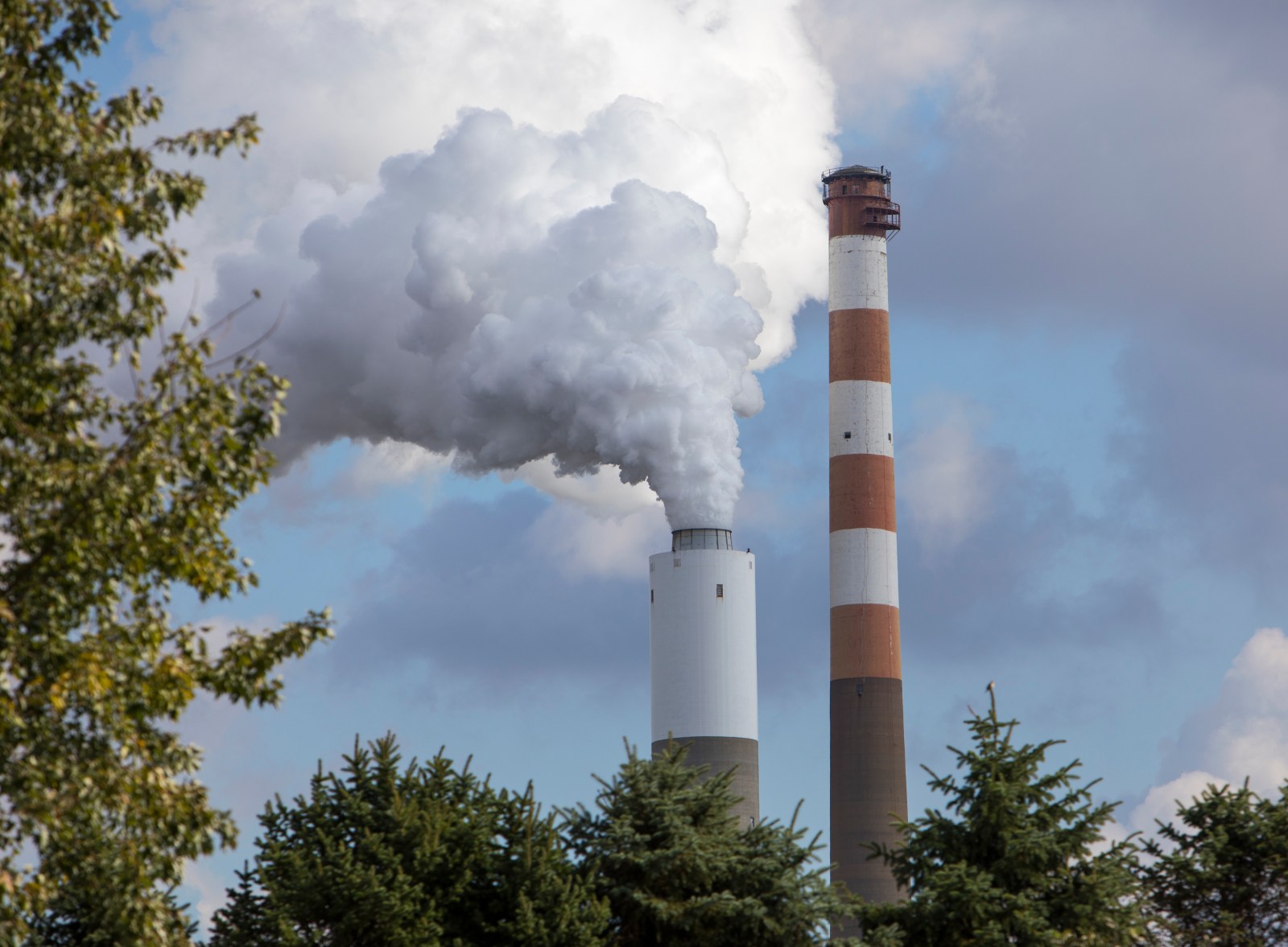
A map by Newsweek highlights states with the most coal plants following the Environmental Protection Agency’s (EPA) repeal of a significant Biden-era climate rule. This rule limited greenhouse gas emissions from coal and natural gas power plants. This policy change emerges amid warnings from the United Nations about the worsening impact of climate change due to global warming.
President Donald Trump expressed support for coal and fossil fuel industries. EPA Administrator Lee Zeldin stated the change could eliminate considerable costs and promote American energy. This marks another major EPA policy shift this year. Previously, in February, the EPA repealed the 2009 Greenhouse Gas Endangerment Finding, removing the obligation for engine and vehicle manufacturers to measure and report emissions.
Newsweek has reached out to the EPA for comments on this development.
States with the Most Coal Plants
Despite a decline in domestic coal use over the past two decades, the United States remains a leading coal producer. According to Cleanview, a resource tracking U.S. energy infrastructure, there are over 200 coal plants nationwide. Pennsylvania tops the list with 13 facilities, followed by Indiana and Texas with 12 each. In contrast, states like Idaho, Oregon, and others report no such facilities.
With the rule repeal finalized, states with dense coal plant populations may experience more severe health impacts, especially in regions like Appalachia and the Ohio Valley, according to Nathaniel Keohane, the Center for Climate and Energy Solutions President. He noted that while these local impacts are concerning, the effects on global warming are far-reaching and affect everyone.
The American Coal Council supports the EPA’s efforts. CEO Emily Arthun emphasized coal’s role in maintaining a reliable and secure electric grid. Coal, as a dependable power source, supports crucial infrastructure like households, businesses, and hospitals.
Health Concerns and Industry Reactions
Critics like Bryan Hubbell, a senior fellow at Resources for the Future, warn of potential adverse health consequences. The repeal could exacerbate air quality issues, contributing to premature deaths and an increase in asthma cases. While reducing electricity production costs, the long-term environmental and health damages may outweigh these savings, he argued.
The rollback elicited resistance from energy experts concerned about public health and climate change. Keohane noted that repealing carbon pollution standards disregards scientific and economic findings. He stressed the significant role of power plant emissions in climate change.
In contrast, the American Coal Council highlighted coal’s continued importance due to rising electricity demand. Arthun remarked that a diverse energy portfolio is crucial for economic competitiveness and energy security. Coal-fired power ensures grid reliability, especially during extreme weather and peak demand periods. Recognizing coal’s value fortifies electric system resilience, protects consumers from price spikes, and supports energy jobs.
However, Keohane cautioned that future regulations are inevitable and that the repeal introduces uncertainty into the energy sector.
Future Implications
Following the finalized repeal, coal plants need not adhere to previous Biden administration standards, potentially reducing utility costs. However, immediate legal challenges are anticipated, possibly hindering changes. Coal plants must still comply with federal and state regulations concerning emissions like mercury and sulfur dioxide.