Evanston City Council Faces Proposed Tax Increases Amid Budget Challenges
Proposed Budget Changes
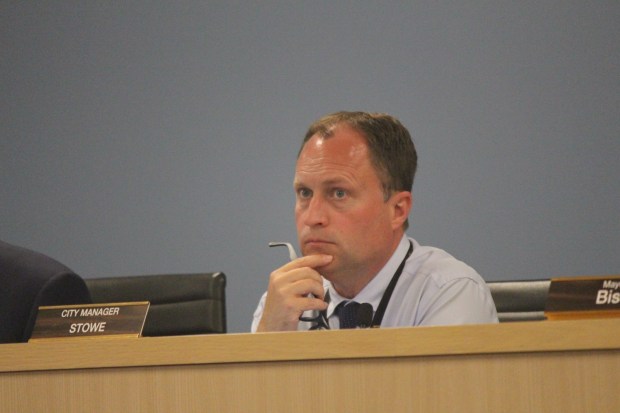
Evanston residents may face increased costs as the City Council reviews a proposed budget for 2027 that includes an 8.9% property tax hike and a 25% rise in water rates. These changes are part of a broader plan that affects basic amenities. Additional taxes are proposed for non-essential services like streaming and rideshare apps. The City Council has expressed concerns about the increases, urging staff to explore expense reductions, including potential personnel cuts.
Revenue and Spending Plans
The proposed budget aims to support the Parks and Recreation Fund and replenish reserves in Evanston’s General Fund. Additionally, the city plans a $100 million Capital Improvement Plan to replace lead service lines and upgrade transport and facilities. The budget projects $349 million in expenditures, marking a $6.9 million increase from the previous year. A significant portion of the cost increase comes from health insurance expenses within the city’s Grant and Insurance Funds.
Challenges and Discussions
Evanston plans to balance its General Fund with remaining reserves. While a decreased deficit of $6 million is projected, compared to prior years, revenue increases from economic inflation and tax rates are planned. Property tax increases will mean approximately an additional $180 annually for homeowners with median-valued homes. Increased taxes on streaming services, rideshare apps, natural gas use, waste collection, and water services are all part of the proposed financial adjustments.
Council Reactions and Concerns
Several Council members, including Ald. Tom Suffredin, argue the budget relies too heavily on taxpayers. They suggest staffing cuts are a viable option to reduce expenses. About 80% of the General Fund expenses are personnel-related, which creates challenges in finding efficiencies without affecting staff. Ald. Matt Rodgers and Ald. Clare Kelly have voiced the need for more stringent cost analysis and reductions, particularly looking at high-level salaries.
While cuts to seven full-time positions are proposed, Council members like Ald. Krissie Harris advocate deeper budget analysis and insist on prioritizing essential services. However, Ald. Bobby Burns argues that staffing levels are necessary to prevent employee overwork, indicating the need for balanced service delivery.
The City Council will continue deliberations on Oct. 26, with final budget approval anticipated by Nov. 23.