Homebuyer-Seller Discrepancy Amid Rising Mortgage Rates
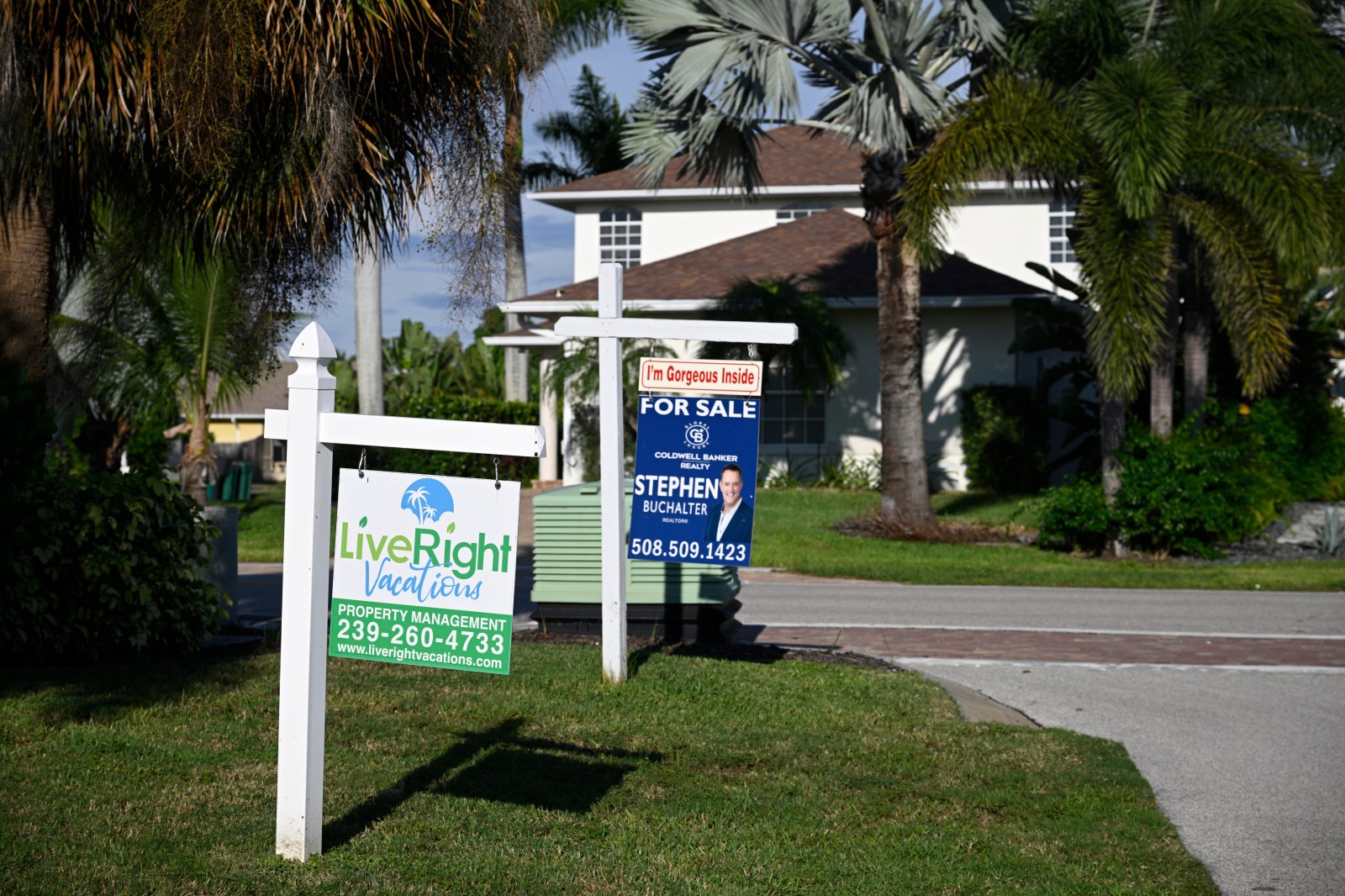
Home sellers outnumber buyers in the U.S. housing market as elevated mortgage rates and economic concerns deter many potential homebuyers. The latest figures from Redfin reveal a significant drop in the number of buyers, reaching a record low of approximately 928,892 last month, marking a 2.4% decrease from the previous month. Meanwhile, sellers reached their highest number since March 2020, totaling over 1.5 million, with a 1.2% increase month-over-month.
This disparity between sellers and buyers is the widest since the post-recession housing crash, showcasing challenges faced by homebuyers since the pandemic. Compared to 2008, Americans are in a better position to buy homes, but the pandemic’s lingering effects and rising mortgage rates have created hurdles.
Factors Impacting the Housing Market
The disparity increased toward summer’s end as mortgage rates climbed and inflation rose, fueled by higher fuel prices. In August, sellers outnumbered buyers by 56.9%, expanding the gap by nearly 6% in one month. Predictions for lower mortgage rates through 2026 seemed promising until geopolitical tensions and economic instability reversed that trend, causing rates to begin rising again.
The Federal Reserve’s recent interest rate hike, the first in three years, contributed to this increase. By October 8, the average 30-year fixed-rate mortgage reached 7.4%, a substantial rise from 6.30% a year prior.
Opportunities in Buyer’s Markets
Buyers willing to venture into the market might find favorable conditions, with 41 of the 50 most populous U.S. regions positioning as buyer’s markets. Asad Khan, a senior economist at Redfin, stated, “This buyer’s market is based on caution rather than strength.” Buyers wield substantial negotiating power due to economic uncertainty and high costs pricing out many potential buyers.
Significant opportunities exist for those with financial security to navigate the market. Buyers can afford to be selective, negotiate deals, and walk away if terms aren’t favorable. Despite optimal supply conditions, high costs limit the number using these advantages.
Buyer Advantages in Specific Regions
Miami leads the nation with the largest buyer advantage, where sellers were outweighed by buyers by 158.9% last month. In Miami, 26.9% of listings reduced prices, and the median sale price increased by 4.8% year-over-year to $649,691. Nashville followed with a 152.3% surplus, seeing 38.3% of listings cutting prices and a 1.1% drop in median prices to $464,779.
Houston represents a 134.6% gap, with 35.8% of homes reduced in price and the median dropped by 2.3% to $341,837. Many cities in Texas and Florida are witnessing surplus inventory due to rapid new housing developments prompted by demand spikes from 2019 to 2022. However, slowed domestic migration and forced returns to expensive metros have left many homes with few takers.
Sellers Maintained Advantage in Select Markets
Contrastingly, some regions remain seller-focused. Balanced markets include Boston, Chicago, New Brunswick, New Jersey, and Providence, Rhode Island. Only five major metros remain seller’s markets with fewer seller than buyer ratios, like Nassau County, NY, and Montgomery County, PA. San Francisco remains exceptional due to the AI industry’s influence on housing demands. Limited home construction has kept such markets competitive.