Execution of Tony Carruthers Postponed for Medical Reasons
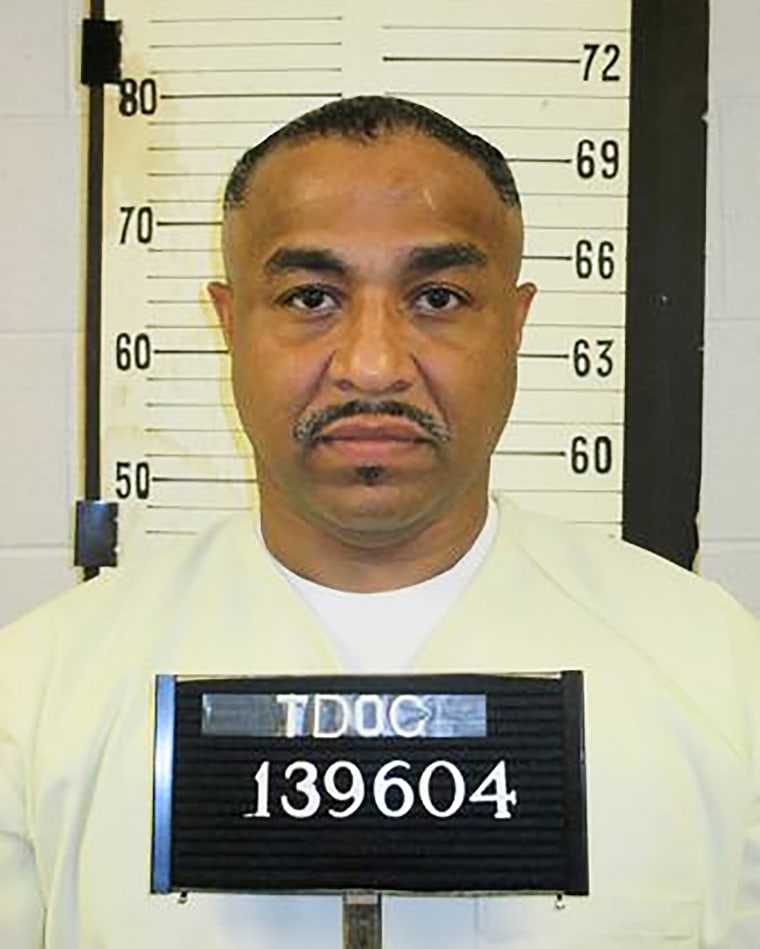
Execution Procedure Faces Complications
Tony Carruthers was granted a one-year reprieve from execution after complications arose during the procedure. The Tennessee Department of Corrections struggled to establish a backup intravenous line, which resulted in the execution being called off. A primary IV line was established, but efforts to set a secondary line and insert a central line were unsuccessful, prompting the postponement.
Governor and Legal Reactions
Medical personnel quickly established a primary IV line; however, the team was unable to immediately establish a backup line pursuant to the lethal injection execution protocol.
Governor Bill Lee decided to delay Carruthers’ execution by a year. The situation also led to Carruthers’ legal team filing an emergency stay in both state and federal courts, citing the inability of corrections personnel to administer the lethal drugs.
Federal public defender Amy Harwell informed NBC News that Carruthers was “off the gurney” and undergoing medical assessment. Melanie Verdecia from the ACLU criticized the situation, claiming Carruthers’ innocence and denouncing the state’s methods.
Concerns Over Drug Validity and Secrecy
Concerns arose about the use of expired drugs for the execution. Carruthers’ attorneys sought confirmation from the Department of Corrections that expired drugs wouldn’t be used, but did not receive assurance. Tennessee resumed executions last year, ending a three-year halt due to improper drug testing for purity and potency. An independent review revealed that drugs prepared for seven inmates in 2018 weren’t fully tested.
The procedures for executions in Tennessee are notably secretive. Multiple states have encountered difficulties obtaining pentobarbital, a drug used in executions. Pharmaceutical companies object to its use for this purpose, causing states to pay excessively to secure the drugs. An email obtained via public records showed Tennessee spent $650,000 on execution-related costs following the moratorium.
Background on Carruthers’ Conviction
Carruthers was convicted for the 1994 triple murder involving Marcellos Anderson, his mother Delois Anderson, and Frederick Tucker. Carruthers maintains his innocence, asserting no physical evidence links him to the crime. The conviction relied heavily on paid informant testimony. A man named Jonathan Montgomery led investigators to the grave where the victims were found. This led to James Montgomery and Carruthers being named as suspects.
A blood-stained cloth found at the scene was argued by the state to be connected to Carruthers. Jonathan Montgomery died under suspicious circumstances before trial; Carruthers and James Montgomery were tried together, resulting in a death sentence in 1996. Carruthers represented himself ineffectively, citing mental illness.
Appeals and Further Developments
An appeals court later ruled that James Montgomery deserved a retrial. During his retrial, Montgomery requested DNA testing on crime scene evidence. Recent motions sought post-conviction DNA testing of unmatched fingerprints, with claims of proving Carruthers’ innocence. Testing showed no DNA matches with Montgomery or Carruthers; one sample was a robust male profile on a blanket buried with the victims.
The DNA testing request for Carruthers was denied, but Montgomery accepted a plea deal for reduced charges and was released from prison in 2015.