Exploring GLP-1 Medications in Obesity and Cancer Treatment
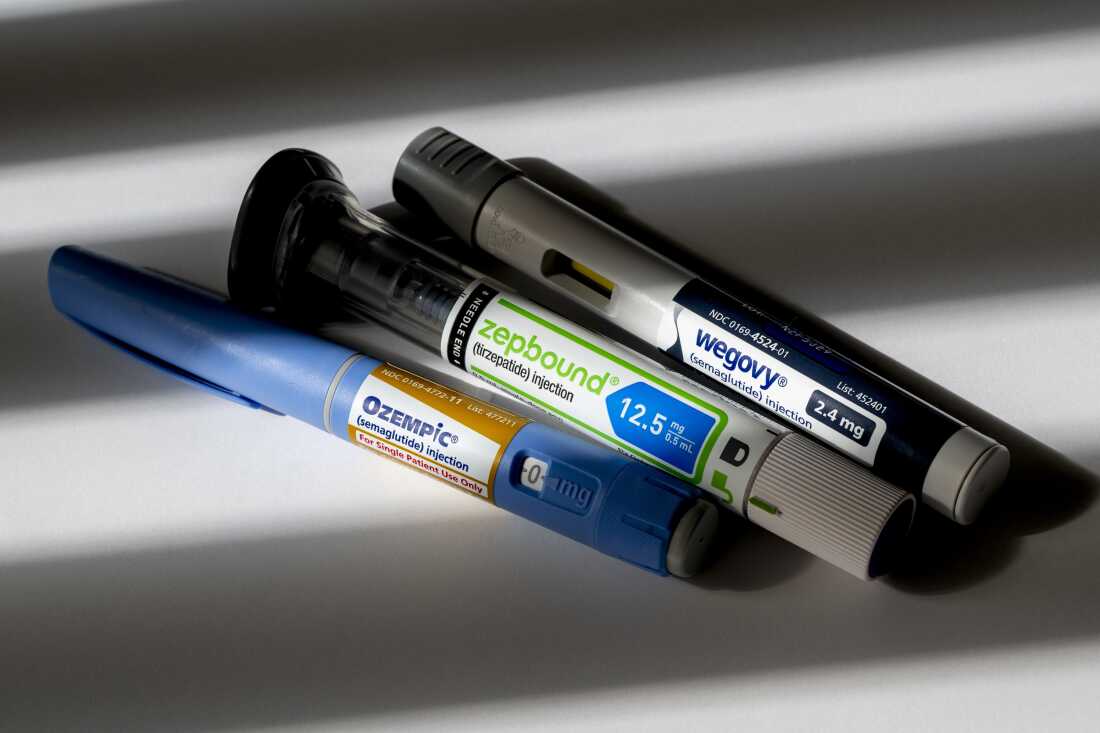
GLP-1 medications, known under various brand names, are primarily used to treat conditions like diabetes, obesity, and sleep apnea. However, research into their effects on cancer is still in the early stages.
Recent studies indicate that GLP-1 medications, used for obesity treatment, might also help lower cancer risk. These studies are correlative, showing the drugs could reverse the cancer risks associated with obesity and have anti-inflammatory effects that help suppress tumors.
The potential role of GLP-1 drugs in cancer prevention was a significant topic at the American Society of Clinical Oncology meeting. Four studies were highlighted, some of which appeared in the Journal of Clinical Oncology. The most notable study analyzed medical records from over 10,000 early-stage cancer patients, finding that GLP-1s reduced risk in six out of seven cancer types. Significant reductions were seen in breast, liver, colorectal, and non-small cell lung cancers. Kidney and prostate cancer risks decreased moderately, with the least effect on pancreatic cancer.
The reduction effects were observed across various cancer types, not only those linked to obesity. For instance, in non-small cell lung cancer, Stage IV progression was 22.3% in patients not using GLP-1s compared to 10% in those who were.
Initially developed for diabetes, GLP-1 drugs modify the hormonal balance in the brain and gut, reducing hunger and slowing digestion. These drugs have since proven effective against obesity, heart disease, sleep apnea, potential addiction, and now cancer.
Correlation, Not Conclusion
Experts caution that current data does not conclusively establish GLP-1s as cancer treatments. Analyses used retrospective medical databases, lacking detailed patient information such as comorbidities or lifestyle habits, according to Dr. Julie Gralow of ASCO. Yet, the findings align with knowledge about obesity as a cancer driver and the importance of healthy living in both illness prevention and recovery.
“It ties into a body of knowledge about exercise and healthy lifestyles after a cancer diagnosis,” Dr. Gralow notes.
Breast Cancer Risk Reduction
Another conference data analysis linked mammogram images with a prescription database. It showed women aged 45 to 80 on GLP-1 drugs had a 30% lower breast cancer risk. While cancer risks generally decrease with weight loss from diet or surgery, radiologist Elizabeth McDonald of the University of Pennsylvania, a co-author of the study, indicates GLP-1 effects are greater.
The weight loss alone just didn’t account for the magnitude of the observed effect,” McDonald says, suggesting that GLP-1 drugs might reduce inflammation, a known cancer driver.
Ongoing Research
More trials are exploring how GLP-1s may affect inflammation or immunosuppression, both possible cancer contributors. Oncologist Coral Omene at Rutgers Cancer Institute plans to study 40 breast cancer patients starting on tirezepatide, a GLP-1 drug, marketed as Mounjaro and Zepbound. Omene will track changes in cancer markers and measure inflammation in abdominal fat cells every six months.
“And as we’re treating them, we are going to trace and see how the immune cells are behaving,” Omene explains. This research could lead to better understanding of how GLP-1 drugs work against cancer.