Google’s AI Training for Educators: A Step Toward Classroom Innovation
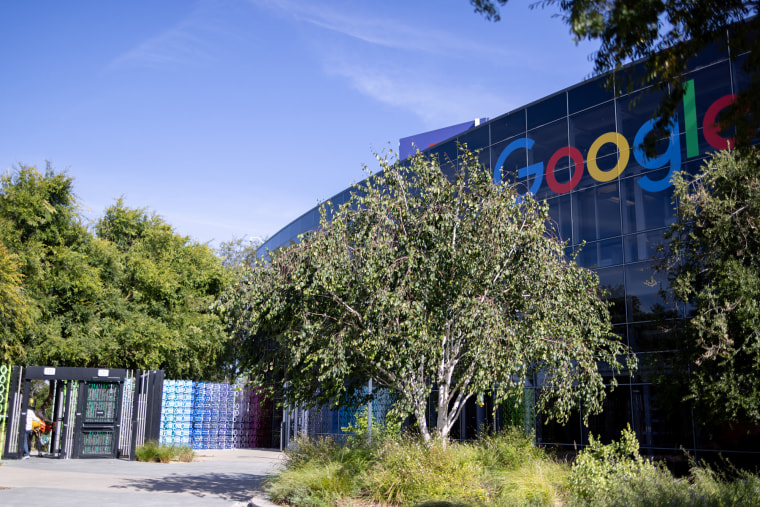
On June 9, 2026, at Google’s campus in Mountain View, California, K-12 educators discussed how to persuade resistant colleagues to adopt artificial intelligence (AI) in their teaching. They imagined a veteran English teacher resistant to technological changes, picturing her labeling AI as another passing fad. Google’s AI assistant, Gemini, helped them devise a plan to demonstrate AI’s potential benefits.
The plan involved using AI to streamline phonics lesson preparations, significantly reducing preparation time. Rather than arguing, the educators aimed to show a practical application, predicting skepticism might soften as time-saving became evident.
Seventy teachers and technology directors attended a free two-day training program at Google’s headquarters. This program is part of Google’s ongoing effort to integrate its products in education, emphasizing AI’s growing importance. Most attendees described their colleagues as cautiously curious about AI.
“It’s not as scary if you’ve taken something off of my plate versus giving me a new thing that I have to learn,” said Winston Roberts, director of an AI initiative at ISTE+ASCD, a nonprofit working with Google on the training.
During breakout sessions, leaders advised educators to focus on solving technology-related issues using Google’s tools like Gemini and NotebookLM. The sentiment towards AI is becoming hostile among some parents and teachers, echoing wider societal concerns. Recent public sentiment includes criticism from prominent figures and organizations.
Despite these challenges, AI’s role in education is expanding. Some states mandate AI instruction, and institutions invest in AI technologies. Yet surveys show many teachers lack guidance on using AI effectively. Google’s training aims to fill this gap, as Jennie Magiera, global head of education impact at Google, explained during the training.
Magiera emphasized that as AI evolves, its classroom use will increase. Google plans to prepare as many educators as possible to use AI constructively. Some educators, like Karen Compton, appreciate the opportunity to learn about AI, noting its increasing relevance in students’ vocabulary and learning needs.
“If a student’s running in the hallway, you don’t take away the hallway — you teach them proper behavior,” Compton noted, drawing a parallel with AI integration in education.
Google introduced free online AI training modules for educators in May, offering guidance on lesson creation and student assistance. Future modules will build on these resources as technology advances with monthly updates starting in September.
Joseph South, chief innovation officer for ISTE+ASCD, highlighted AI’s importance, suggesting schools cannot ignore or ban it. Google has long provided educational resources, historically promoting its products like Chromebooks. These initiatives build a future user base, aligning with internal company strategies.
During the training, speakers stressed that AI should not replace teachers. Instead, it should support tasks like creating educational materials. For example, teachers could utilize Gemini to design educational comic strips or assist students in their creative projects.
High school teacher Casey Cuny shared his experience using Gemini in class discussions, noting improved student engagement in debates. He cautioned teachers to incorporate AI intentionally alongside traditional methods.
As attendees returned to their schools, they acknowledged potential resistance from parents opposed to AI. However, educators like Mike Amante felt prepared to demonstrate AI’s benefits, confident that skepticism would not halt progress.