Federal Court Orders Government Accountability in Wrongful Deportation Case
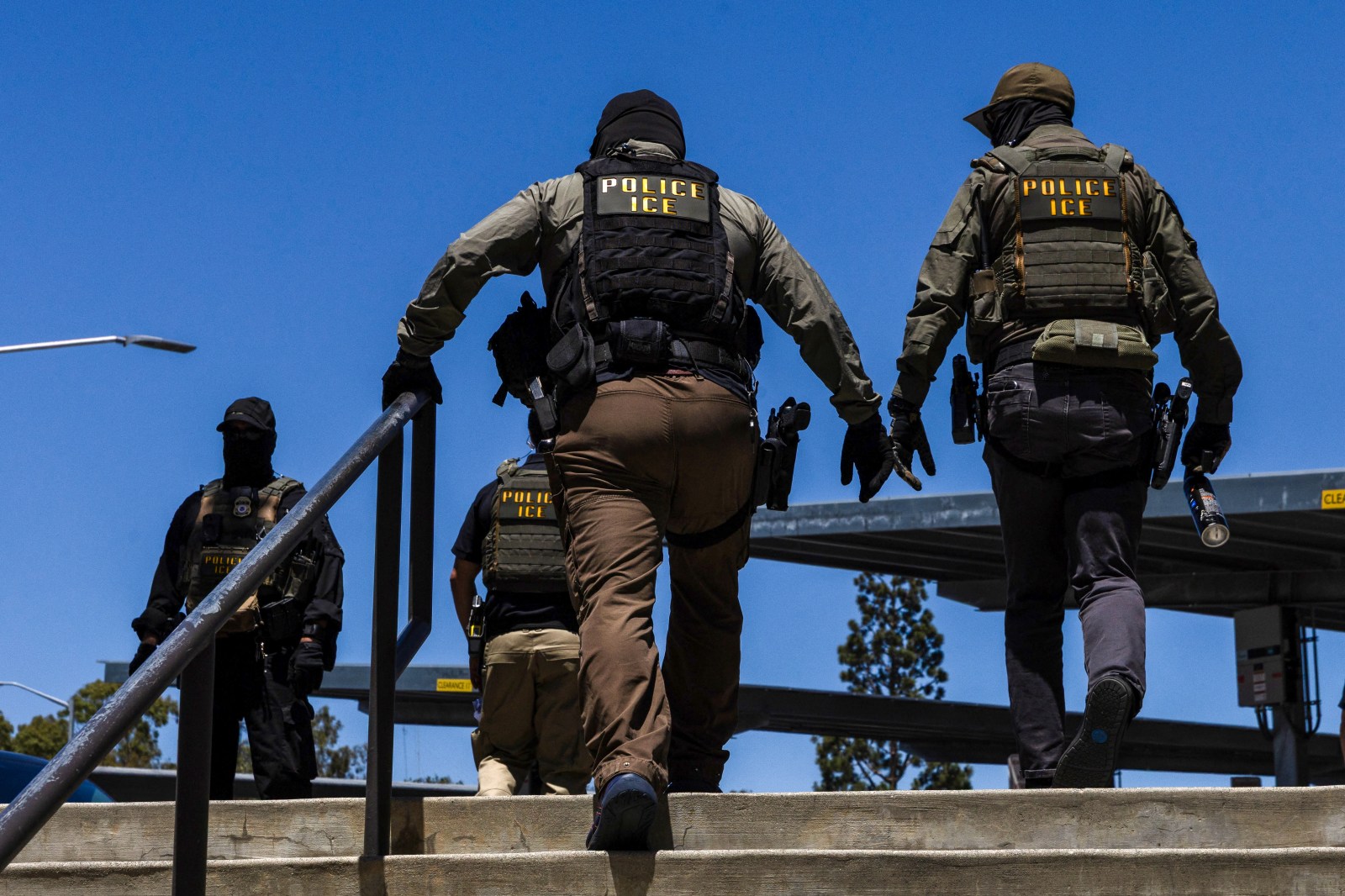
The deportation of Nigerian national Etinosa Osahon by the Trump administration has sparked legal scrutiny. Despite a protective order against his return, allegations of previous torture by Nigerian government officials persist. A federal judge has now demanded explanations from the government regarding efforts to bring him back to the United States.
Temporary Restraining Order Issued
Judge Michelle Williams Court of the U.S. District Court for the Central District of California provided a temporary restraining order for Osahon. The government must disclose details about his location, custodial status, and steps taken for his return. Osahon came to the U.S. in 2002 as a lawful permanent resident. He was later convicted of crimes like mail theft, bank fraud, and identity theft.
In 2012, an immigration judge granted Osahon protection under the Convention Against Torture. The judge ruled that he had been tortured in Nigeria and would likely face similar treatment again.
Current Situation in Togo
Osahon is currently in Togo, hiding from Nigerian officials. His attorney reports he contracted malaria and remains separated from his family in California. Judge Court criticized the federal officials for allegedly violating regulations and due process protections.
Newsweek tried to reach the Department of Homeland Security, Osahon’s attorneys, and Nigerian authorities for comments.
“He was detained without trial, tied to a tree, forced to stare at the sun, beaten, and hung from the ceiling,” Judge Court stated, summarizing the 2012 immigration court decision describing Osahon’s torture experiences in Nigeria.
Osahon lived in the U.S. under supervision for 14 years. He obeyed appointments with Immigration and Customs Enforcement and married a U.S. citizen, having three American children. The lawsuit claims his deportation resulted from an email misleading him into a routine appointment at ICE’s Los Angeles office.
Misleading Detention and Deportation
Osahon reported to the ICE office on May 21 and was subsequently detained. He was moved through detention facilities before eventually being flown to Ghana. Ghanaian authorities informed him that Nigeria was his final destination, which he resisted based on his protection under the Convention Against Torture. He later moved to Togo, hiding due to his illegal status, limited access to medical care, and inability to work.
Legal Proceedings and Upcoming Steps
Government lawyers filed for dismissal of the case, citing Osahon’s removal from U.S. territory. Judge Court adapted the case into a civil lawsuit, enabling constitutional and statutory claims to proceed.
Judge Court recognized Osahon’s likelihood of success in his claims against ICE. The allegations focus on ICE’s failure to adhere to the protocols involving the revocation of his supervision order and Convention Against Torture protections. Lack of evidence supporting proper procedures prior to removal was noted.
“The present case shares parallels with Abrego Garcia v. Noem,” Court pointed out, referring to another wrongful deportation case involving a Salvadorian man.
Osahon appears likely to win his due process claims, with evidence lacking regarding notice for supervision revocation or opportunities to challenge his removal.
Next Steps
The ruling halts further actions on Osahon’s transfer to Nigeria and mandates preservation of related records. The government must declare Osahon’s status and explain return initiatives by September 3. A hearing is arranged for September 4.