Gas Prices Surge Amid Iran Conflict and Supply Risks
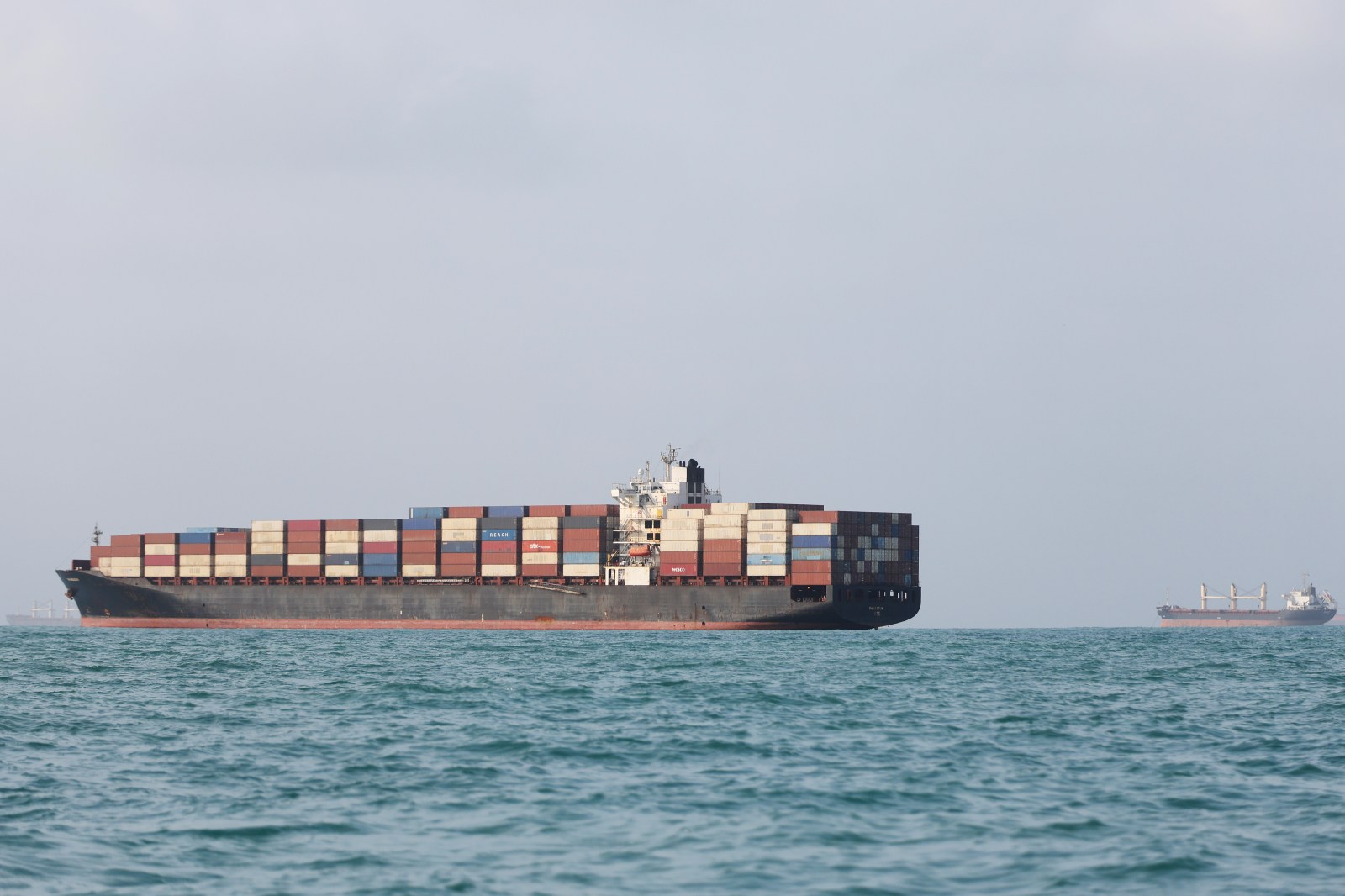
Gas prices have surged above $4 per gallon as efforts to resolve the Iran conflict have stalled. Supply-side risks could exacerbate the situation and pose political challenges for the Republican Party in the upcoming elections.
Impact of the Iran Conflict
The conflict in Iran has effectively blocked the Strait of Hormuz, a critical passageway for Middle Eastern oil exports. This has constrained production and driven up fuel costs in the U.S. Although there was a brief recovery following an agreement between the conflicting parties, the breakdown of negotiations and ongoing strikes have reversed this.
The Strait of Hormuz remains the most important factor behind the increase in oil and therefore gasoline prices,
said Carole Nakhle, CEO of energy consultancy Crystol Energy. The disruption is significant, with prices responding daily to changes in diplomatic expectations.
Regional Gas Price Differences
The average price for regular unleaded gasoline was $4.04 on Wednesday, according to AAA, up from $3.88 a month earlier. California has the highest prices at $5.58 per gallon, followed by Hawaii and Washington. These states are more vulnerable due to their reliance on imports and refinery closures. Indiana has the lowest prices at $3.52 per gallon, with Texas and Louisiana following closely.
Factors Keeping Gas Prices Elevated
The main driver of volatility in global oil markets is the Iran conflict. Prices fluctuate based on traffic disruptions in Hormuz and U.S.-Iran diplomatic developments. Oil prices have reached around $90 a barrel amid renewed violence and diminishing diplomatic hopes, although optimism remains.
Khawaja Asif, the defense minister of Pakistan, suggested progress towards a resolution. Any agreement improving flows through Hormuz or advancing a diplomatic settlement could ease pressure. Conversely, prolonged disruptions or further attacks could increase risks.
Additional risks beyond the war threaten to keep U.S. gas prices high. The Strategic Petroleum Reserve (SPR) dropped to under 300 million barrels, its lowest level since 1983. This drawdown, following a release of 172 million barrels, reduces the U.S.’s buffer against supply disruptions, according to Nakhle.
Bob McNally from the consultancy Rapidan Energy Group agreed, stating that further disruptions could lead to higher future prices due to the lack of an SPR buffer. Damage to Russian refineries from Ukrainian attacks also strains global supplies. Thomas Kloza, chief energy adviser for Gulf Oil, noted that the Russia-Ukraine war continues to influence global fuel prices.
Gas Prices and Political Implications
The combination of supply challenges and high prices presents a political risk for Republicans ahead of the elections. Polls show voter frustration with gas costs and a tendency to blame the administration.
Francesco D’Acunto, a finance professor at Georgetown University, stated that resolving the conflict and fully reopening the Strait of Hormuz is crucial for reducing voter frustration with inflation and gas prices.
A July Harris Poll indicated that 95% of Americans view the U.S. as facing an affordability crisis due to rising living costs. Recent surveys link these difficulties to the Trump administration’s policies. Approval ratings have fallen, with 69% viewing the economy as in poor condition.
According to a mid-July Politico poll, 57% of Americans feel the cost of living is worse than ever. Forty-three percent attribute responsibility to Trump, while 63% cite the Iran war as a major factor.
Future Outlook from Oil Reports
Global energy organizations highlight the impact of the Iran conflict on oil and gas trends. The International Energy Agency reports that the Strait of Hormuz closure continues to affect supply and demand, with prices surging as previous recovery prospects recede.
Urgent reopening efforts are needed as inventory buffers deplete, per the IEA’s August 2026 report. The U.S. Energy Information Administration’s outlook notes persistent constraints through August, with expectations of production returning to near preconflict levels by early 2027 but ongoing disruptions into next year.