Germany’s Political Landscape: Challenges and Changes
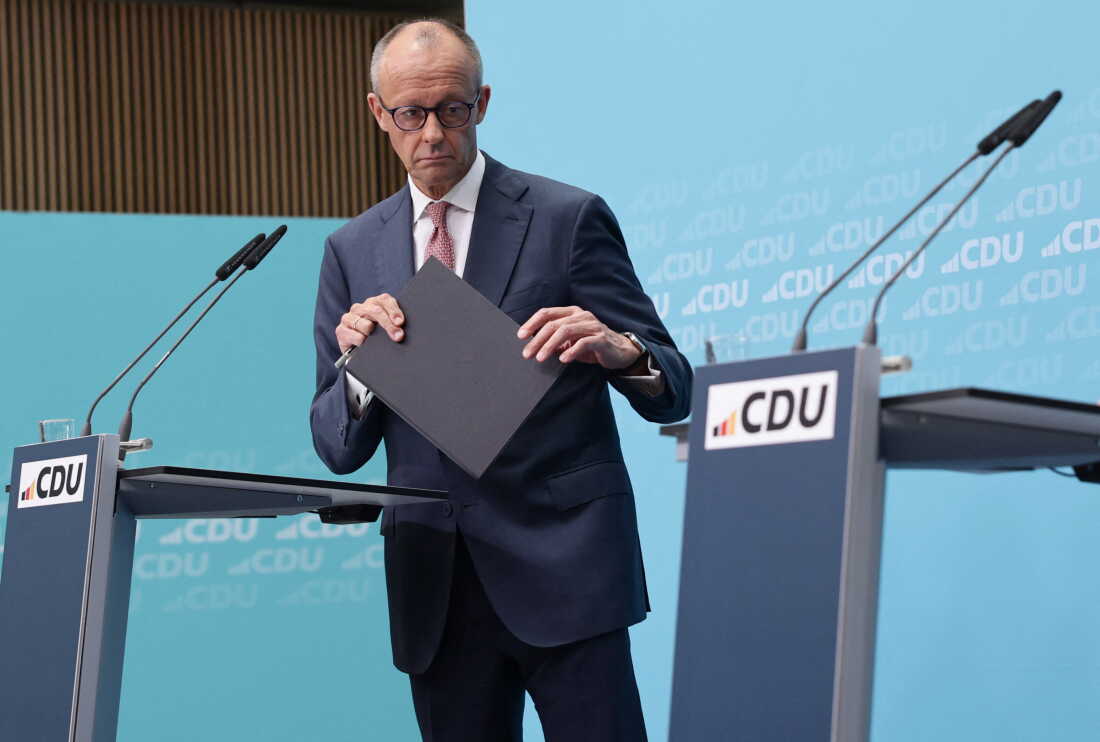
In Germany, the political scene is facing significant challenges. At the center of this shift is Chancellor Friedrich Merz, leader of the center-right Christian Democratic Union (CDU). After recent elections held in Berlin and Mecklenburg-Western Pomerania, his party lost ground, reflecting a broader trend of declining trust in traditional political institutions.
Voter discontent is evident as pensioner Ute Istock points out the complexity of modern voting. The presence of numerous parties komplikates the formation of stable governing coalitions. Istock, voting for the far-left Die Linke for the first time, feels that centrist parties no longer represent her interests. This sentiment is shared by many, leading to more confrontational voting patterns.
Germany’s political center is struggling for relevance amid gains by both far-right and far-left parties. This fragmentation echoes historic tensions that once paved the way for Fascism in the country. Chancellor Merz acknowledges the decline in institutional trust and the exploitation of this by radical parties on both ends of the spectrum.
The current coalition between Merz’s CDU and the center-left Social Democrats is under strain, as both parties try to maintain their distinctiveness while governing together. Matthias Mirsch, a Social Democrat, expressed frustration over the reductive nature of contemporary political discourse, worsened by victories of the far-right Alternative for Germany (AfD) in regions like Saxony-Anhalt.
Berlin-based communications adviser Maximilian Flügge highlights the role of media in amplifying division. Algorithms tend not to favor the nuanced discussions vital to the political center. Instead, they promote content that provokes outrage, making it challenging for centrist messages to gain traction.
Despite setbacks, Merz remains determined to advance his agenda for economic reform. He understands the importance of connecting emotionally with the electorate to promote his vision, realizing that statistics alone are insufficient. Yet, his party faces criticism for its negative portrayal of policies compared to the optimistic approach of the AfD.
The far-right’s promises, such as the controversial ‘remigration’ policy, appeal to some voters. However, Merz counters that such policies equate to ethnic cleansing, eliciting both applause and opposition in the Bundestag.
As political dynamics evolve in Germany, the country’s leadership must navigate the delicate balance of governance, representation, and communication in a rapidly changing environment.