Global Reactions to U.S. Tariff Hikes
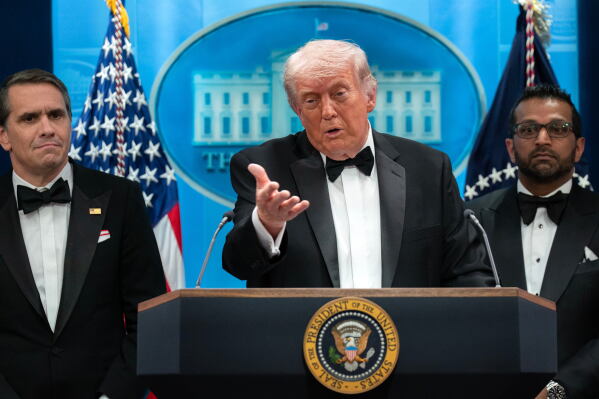
U.S. President Donald Trump announced new tariff increases, drawing criticism from various nations like China and Japan. Australia’s Trade Minister, Don Farrell, condemned them as ‘completely unjustified.’ The U.S. imposed additional tariffs of 10% to 12.5% on goods from 60 countries due to alleged failures in enforcing bans on products made with forced labor. These tariffs began just after temporary levies set previously expired.
Responses from Affected Nations
Australia rejected U.S. claims linking its exports to forced labor. The duty on Australian goods, including beef and copper, rose to 12.5%. Farrell stressed that Australia combats modern slavery and plans to negotiate with the U.S. to remove these tariffs. New Zealand’s Prime Minister, Christopher Luxon, expressed disappointment, labeling the tariffs as harmful to trade. He emphasized that tariffs increase costs and create uncertainty for businesses.
European Union’s foreign policy chief, Kaja Kallas, questioned the U.S. accusations, pointing to the EU’s strong labor laws. Singapore also faces a 12.5% tariff but reiterated its opposition to forced labor. The country plans to engage with the U.S. on this matter.
Japan and South Korea’s Stance
Japan expressed concern over the 12.5% tariff on its exports, referencing assurances from the U.S. that no further tariffs would be implemented. Chief Cabinet Secretary Minoru Kihara labelled the measure as regrettable. South Korea intends to maintain communication with the U.S. on trade benefits. The country noted that the investigation into Korean production continues, though the total duties should not surpass 15%.
Impacts on Other Countries
Thailand is subject to the new tariffs but notes that many of its items are exempt. The Thai Commerce Ministry is also monitoring potential tariffs related to overcapacity concerns. China’s Ministry of Foreign Affairs reiterated opposition to unilateral tariffs, denoting them as unbeneficial for global trade relations. Despite lowered rates compared to last year, Chinese exports to the U.S. have declined sharply due to previous tariffs.
Business Adjustments
Chinese companies like Golden Arts Gifts & Decor have shifted focus from U.S. markets to Europe due to trade uncertainties. Though the U.S. tariffs are now lower, impacts remain significant.
Expert Insights
Wendy Cutler, a former U.S. trade official, noted the latest tariffs were anticipated and built on legal grounds. Challenges in courts are less likely to succeed this time around. Further tariffs related to overcapacity may arise later, but experts believe these are less disruptive than earlier ones. According to William Bratton of BNP Paribas, the new tariffs include exclusions that lessen their impact, though they still increase costs for consumers and businesses.