Global Surge in Gasoline Prices Amid Middle East Conflicts
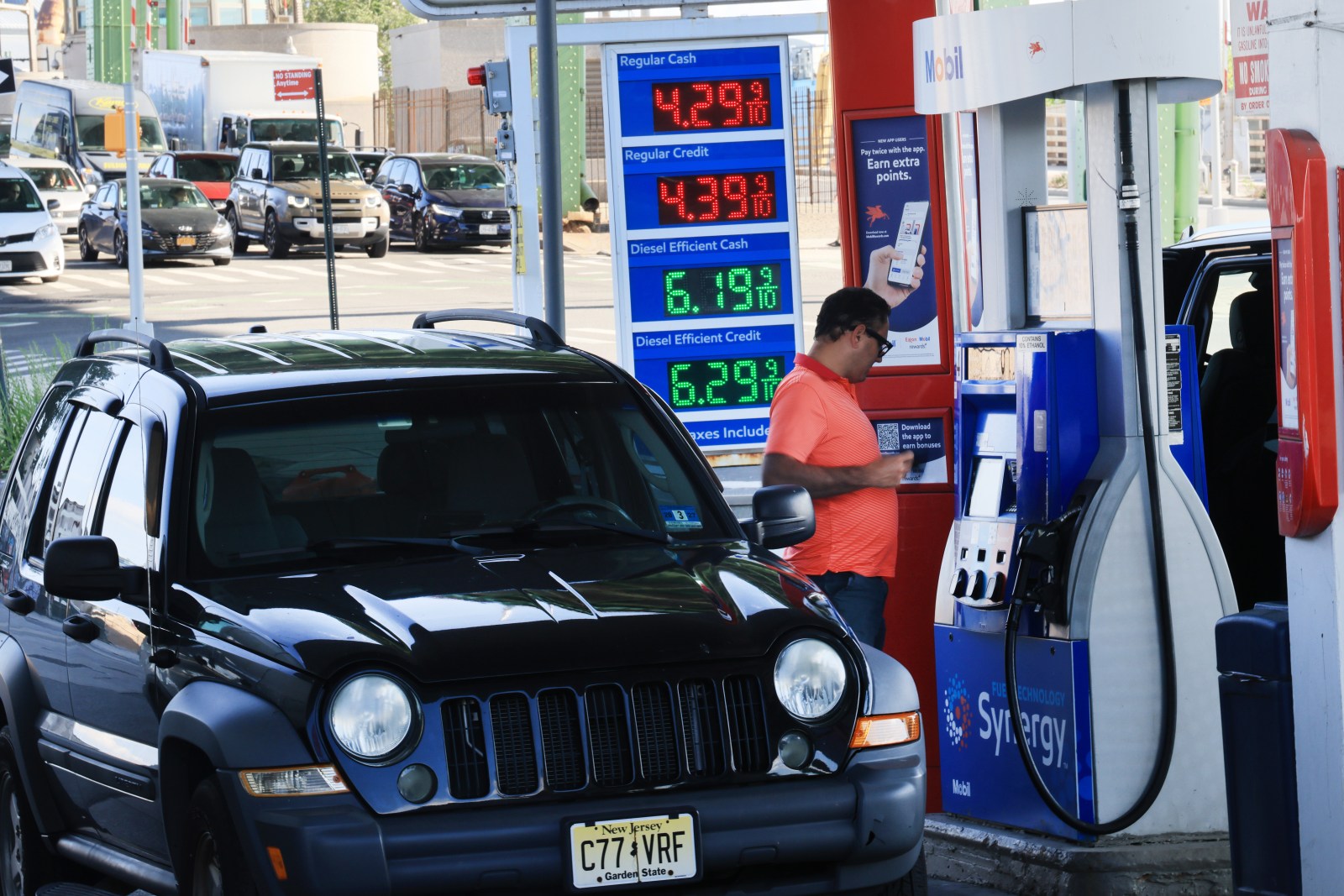
Drivers worldwide are experiencing an average gasoline price of $5.89 per gallon this week, a significant increase since late February, according to Global Petrol Prices. The price hike follows recent conflicts in Iran that have disrupted global energy markets.
Increasing Prices
As of February 23, just before the joint strikes by the U.S. and Israel on Iran, the average global gas price was $4.92 per gallon. A similar trend occurred in the United States with prices averaging $2.98 per gallon before the conflict. By Thursday, the national average had risen to $4.28 per gallon, as reported by the American Automobile Association (AAA). This marks a $1.30 increase per gallon since February 28, placing a significant financial burden on American consumers.
Data from Global Petrol Prices up to September 7 indicated a U.S. national average of $4.42, slightly higher than AAA’s average of $4.15 per gallon. Patrick De Haan from GasBuddy estimated that consumers are paying an additional $377 million daily due to rising gas prices. This equals a $4.63 billion increase weekly. He expressed concerns that even the usual autumn drop in prices might not occur due to ongoing conflicts.
Comparisons Across the World
Despite these hikes, Americans have been somewhat protected from sharper global increases. On Thursday, U.S. prices were around $1.61 below the global average. Fuel costs have climbed globally due to the effective shutdown of the Strait of Hormuz, a crucial oil transit route.
Global Fuel Price Landscape
Countries with the cheapest fuel are major oil producers or provide heavy subsidies. For example, in Libya, the gas price was $0.09 per gallon, followed by Iran at $0.11. Venezuela, Angola, and Kuwait also featured low prices. These rates are much below the global average due to subsidies and domestic production.
Conversely, the highest gas prices on Monday were recorded in Hong Kong at $15.892 per gallon. Malawi, Norway, Denmark, and the Netherlands also had high prices, driven by taxes and levies that elevate costs above the average.
Impact and Market Response
Countries like Australia, Sri Lanka, the United States, Canada, and Pakistan saw varying price hikes due to the conflict. Prices in Australia rose by 42% in one month. Retail prices in these regions reflect global crude price changes more closely.
In contrast, prices stayed stable in regions with regulated or subsidized fuel markets such as Saudi Arabia and India. These nations shield consumers from price spikes due to international oil price fluctuations.
Future Price Trends
The trajectory of gas prices in the coming months depends largely on the Middle East’s geopolitical developments. Continued U.S.-Iran tensions obscure a quick resolution. Even if normalcy returns, price normalization may take time.
“Normal flows of oil through the Strait of Hormuz would likely be step one. But even if the strait reopens, it will take some time to normalize,” said Denton Cinquegrana of the Oil Price Information Service to Newsweek.
Patrick De Haan noted that while seasonal demand decreases might lead to lower prices, they risk being counteracted by ongoing conflicts and tensions. These include potential escalations between the U.S. and Iran and disruptions from Ukraine affecting Russia’s oil export capabilities.
For further commentary, Newsweek editors Ben Kelly and Shakeema Edwards can be contacted.