Hamas Leadership and Its Implications for Gaza
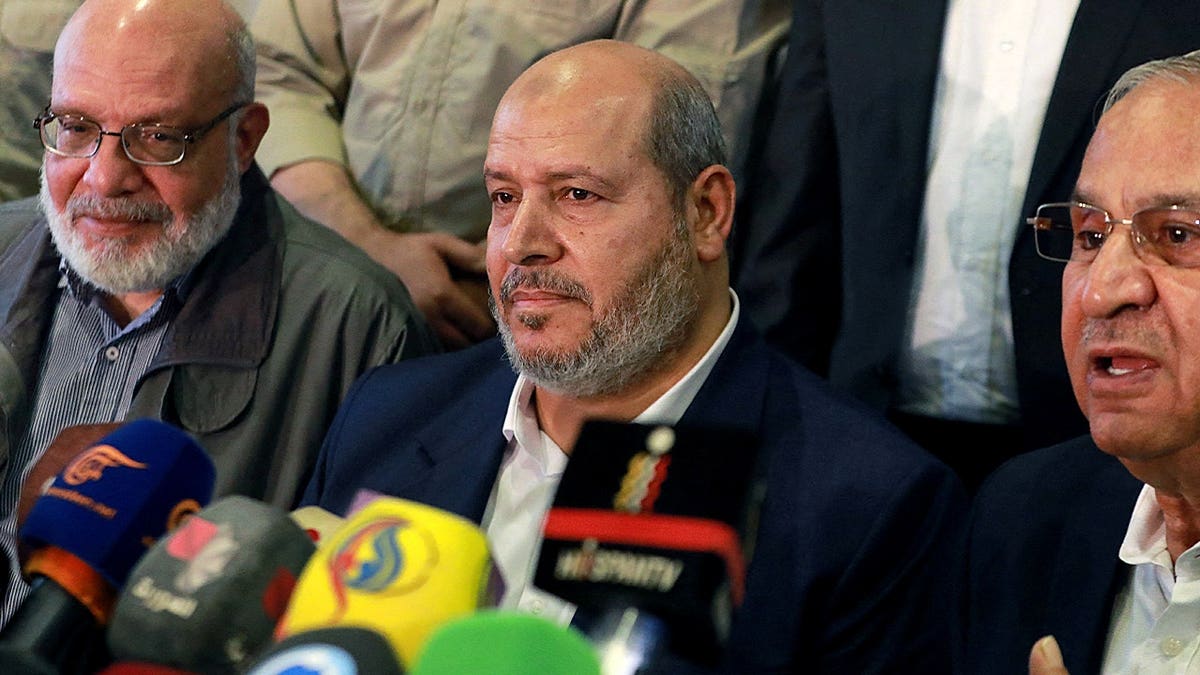
Following Israel’s recent elimination of several senior Hamas commanders, frustration with Hamas leadership has grown among Gaza residents. Many argue that civilians, rather than Hamas leaders, suffer the brunt of the conflict’s consequences.
Hamas recently appointed Khalil al-Hayya as its new political leader. His selection followed a secretive insider election that took months to conclude. Al-Hayya, an experienced negotiator for Hamas, has a history of surviving assassination attempts. His new role indicates a continuation of Hamas’s existing strategies.
Jaser AbuMousa, a Senior Fellow at the Middle East Institute, suggests that Al-Hayya’s election is not a shift toward a new direction for Hamas. Rather, it reflects a strategy focused on maintaining organizational cohesion and armed capabilities. Al-Hayya’s leadership is expected to emphasize negotiation and prisoner exchanges, while the broader goals remain unchanged.
Hamas announced the dissolution of the Gaza government, yet Israel warns that the group still seeks control similar to Hezbollah’s model. Al-Hayya, known for his role in negotiating ceasefires, is expected to continue this approach.
“Al-Hayya’s victory is best understood as an act of institutional self-preservation,” AbuMousa stated. “The organization prioritizes cohesion, armed continuity, and its relationship with Iran over a political reassessment.”
Al-Hayya has suffered personal losses, with several family members killed in Israeli operations. His position as political leader, however, is not seen as a step toward moderation. Instead, surviving assassination attempts contributes to his credentials within Hamas.
This leadership change follows the murder of former leader Yahya Sinwar by Israeli forces in late 2024. Al-Hayya’s rise, after a lengthy and secretive election process, demonstrates Hamas’s preference for continuity over change.
AbuMousa warns that Hamas’s decision to maintain its armed stance and alignment with Iran is a strategic choice to preserve its existing path. He cautions against interpreting the leadership vote as indicative of broader Gazan perspectives, since it was confined to a leadership council vote, not a public election.
“Hamas’s governance model may resemble Hezbollah’s, with a focus on retaining weapons and security structures while avoiding visible political responsibility,” he noted.
Despite Al-Hayya’s appointment, significant underlying issues remain unresolved for Gaza and its inhabitants.