Helping Dogs Cope with Separation Anxiety Through Association and Training
A familiar scent can provide comfort for some dogs when left home alone, but focusing solely on an object may not address the root causes of their anxiety. Trainers emphasize the importance of building a dog’s ability to cope with separation instead.
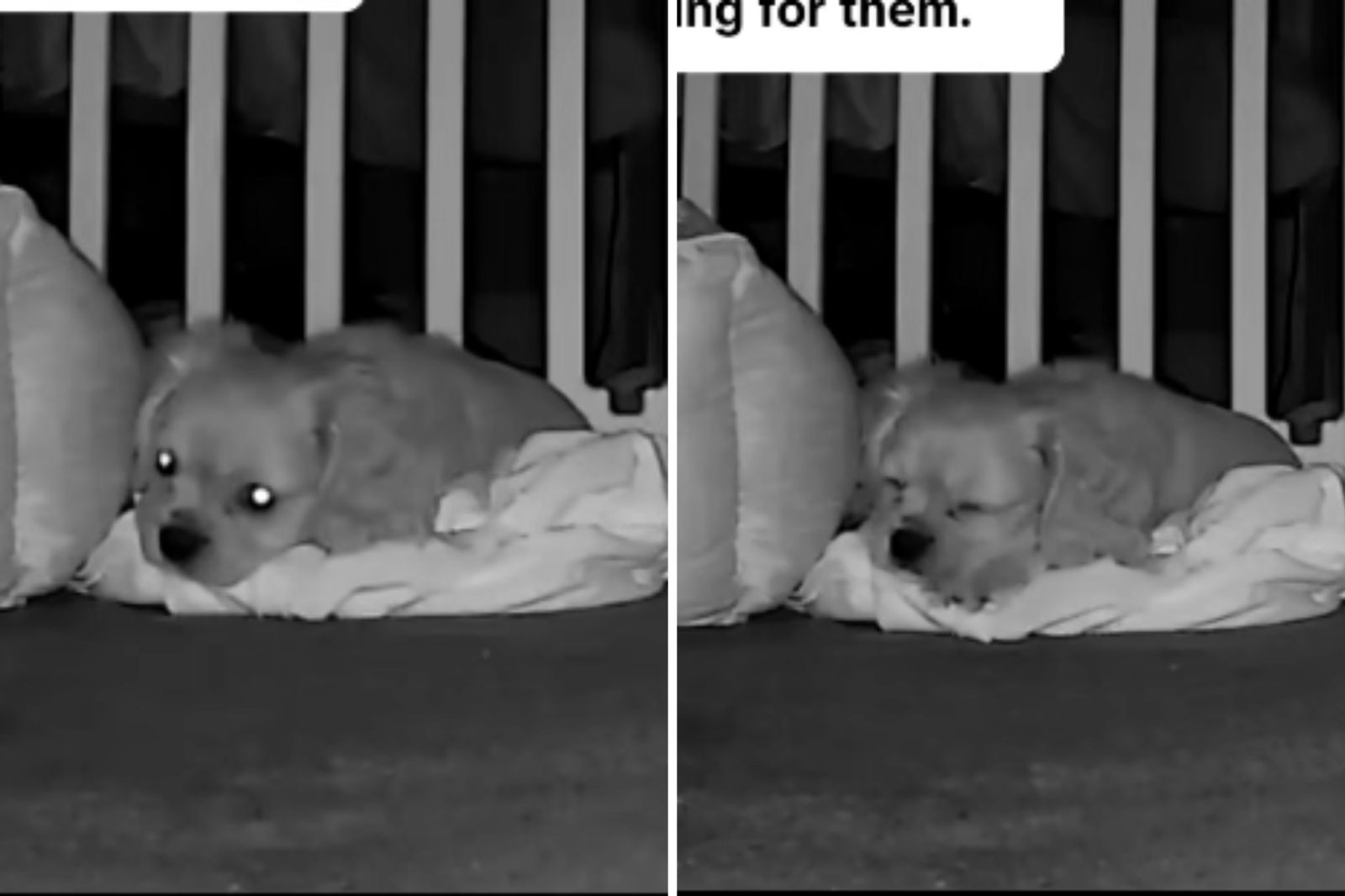
Emily Ryan uses a well-known comfort trick with her Cavalier King Charles spaniel puppy, Lady. She leaves her worn T-shirt to provide reassurance during alone time. When observed through the pet camera, Lady cuddled with the shirt, finding some comfort.
However, Chris Edge from K9Edge Dog Training highlighted a key point. Solely relying on a comfort item may not solve underlying separation challenges. “The shirt isn’t doing the work,” Edge explained. “It’s what’s attached to the shirt that’s having the effect.” He noted that the association built around the item determines whether it offers comfort or stress.
Building a Positive Association
Lady initially struggled with separation after joining Ryan’s home at eight weeks old. She cried and scratched when left in her pen, even attempting to dig out. Ryan initially allowed Lady to fall asleep in her bed, later transferring her, but Lady would wake distressed.
Instead, Ryan made the pen a secure, inviting space with toys, a doggy bed, blankets, and plush items. Clothing with her scent, including a T-shirt, was left behind after reading about the idea online. This approach helped Lady associate the shirt positively. She would play with it briefly before sleeping with it.
Association and Comfort
Dogs do not find objects inherently comforting due to their owner’s scent alone. Instead, they react to associated experiences and emotions. If a shirt pairs consistently with calm, positive moments, it acts as a reassuring cue. Edge cautioned that showing a shirt right before departure might signal impending stress. “It can become calming or just as easily become a predictor of extended absence and stress,” Edge mentioned.
The same principle applies to crates, playpens, calming music, and special treats. The association, not the object, creates comfort.
Building Independence
Edge pointed out a common mistake: focusing only on departure moments. “We can’t train in moments of crisis, we train for moments of crisis,” he stated. Rather than only practicing leaving, Edge advises teaching calm behavior as a life skill. This includes helping dogs relax independently, building separation gradually, and establishing routines. “We can teach calm as a core behavior, teach independence in layers, teach relaxation, and provide predictable routines,” he said.
By practicing these skills before longer absences, dogs learn that time apart is safe and manageable.
Integrating Comfort Items
A comfort item like a worn T-shirt is useful within a broader strategy of building security and independence. “If the shirt has been paired with genuine relaxation, not panic, it can become another cue that reminds the dog’s nervous system that everything is fine,” Edge explained.
Lady has shown progress as she becomes accustomed to her home and routine. The puppy sleeps through most nights, aside from brief potty breaks, and returns to her pen without issues. Ryan plans to grant more freedom as Lady ages, allowing bed sleeping as opposed to pen confinement to avoid chewing incidents.
Ultimately, the goal is not just finding a perfect comfort item, but helping dogs gain confidence and emotional resilience. “Once we understand how we impact their response, we can support their independence for life,” Edge concluded.
For Lady, the T-shirt became one element of a broader routine aiding her adjustment. Edge emphasized the long-term goal is ensuring dogs feel secure before being left alone.