Historic Housing Legislation Passed to Boost Homeownership
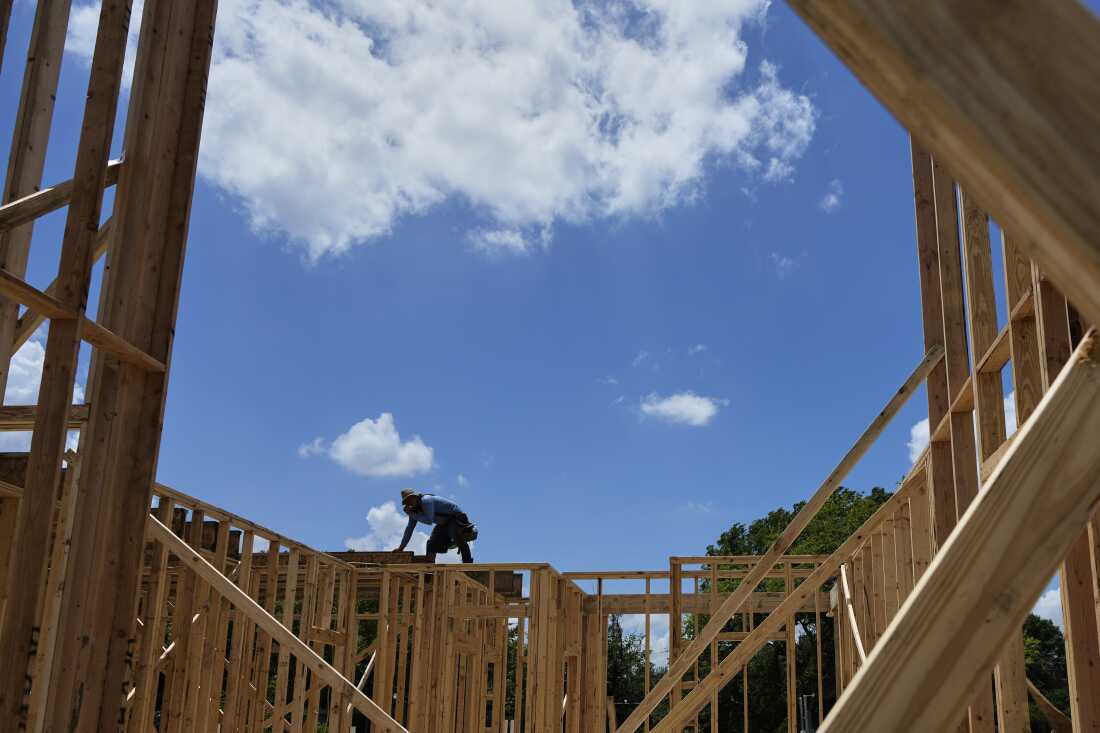
On July 15, 2025, in Richardson, Texas, construction workers labored on the roofing of a new home. Meanwhile, Washington saw rare bipartisan unity as lawmakers approved significant housing legislation aimed at making homeownership more affordable.
The 21st Century Road to Housing Act, passed in the House with a 358 to 32 vote after receiving similar bipartisan support in the Senate. This bill now awaits President Trump’s signature.
Senator Elizabeth Warren, D-Mass., discussed the bill’s importance in an NPR interview. She emphasized its potential to address urgent housing affordability concerns. A family’s income must be nearly $117,000 annually to afford a typical home, which is about $30,000 more than most households make. Rising mortgage rates, now averaging 6.5%, further complicate affordability due to inflation outpacing wage growth.
Jeanna Kenney, assistant professor at Villanova University, underlined the supply shortage, with Realtor.com estimating a deficit of over 4 million units last year.
“Supply is the key problem here,” Kenney stated. “Anything that eases supply constraints is helpful long-term.”
Corporate Investment Restrictions
The bill seeks to enhance housing construction and accessibility. A notable aspect is the ban on corporate investors owning more than 350 homes. This aims to prevent them from outbidding families, despite making up only 3% of the market. Critics caution that it might stifle necessary investment.
Senator Warren highlighted its impact on areas heavily targeted by private equity, like Atlanta.
“If you don’t live in a neighborhood where private equity has already moved in, believe me, you’re on their list,” she said.
Regulation Streamlining for Builders
Though the bill doesn’t introduce new federal funds for homebuilding, it removes some regulatory hurdles. Builders constructing between two existing buildings may skip environmental reviews. Grant programs will help communities create “pattern books” to quicken design approvals.
It also addresses manufactured home affordability. Removing the permanent chassis requirement could lower costs by $5,000 to $10,000.
“Not having that chassis immediately wipes several thousand dollars off that price,” expressed Kate Wood from NerdWallet. “And this type of home is already cheaper than traditional stick-built ones.”
Local governments are motivated to speed homebuilding via increased federal funding incentives.
Limitations of Federal Legislation
Federal influence is limited in home construction, with local authorities dictating terms. Builders face external challenges like high labor and material costs, and mortgage rates are beyond Congressional control.
Despite these limitations, the bill marks a historic move towards housing affordability. Amanda Crist, VP at Greater Nashville Realtors, praised the efforts.
“Honestly, the dream of homeownership is simply just that — a dream for so many Americans,” she remarked.
Senator Warren captured the sentiment: “It has just been more than 30 years since the federal government has done anything but sit by and say, ‘Damn, the price of housing sure has gone up.’ Finally, we are actually moving.”