House Freedom Caucus Faces Transition Amid Departures
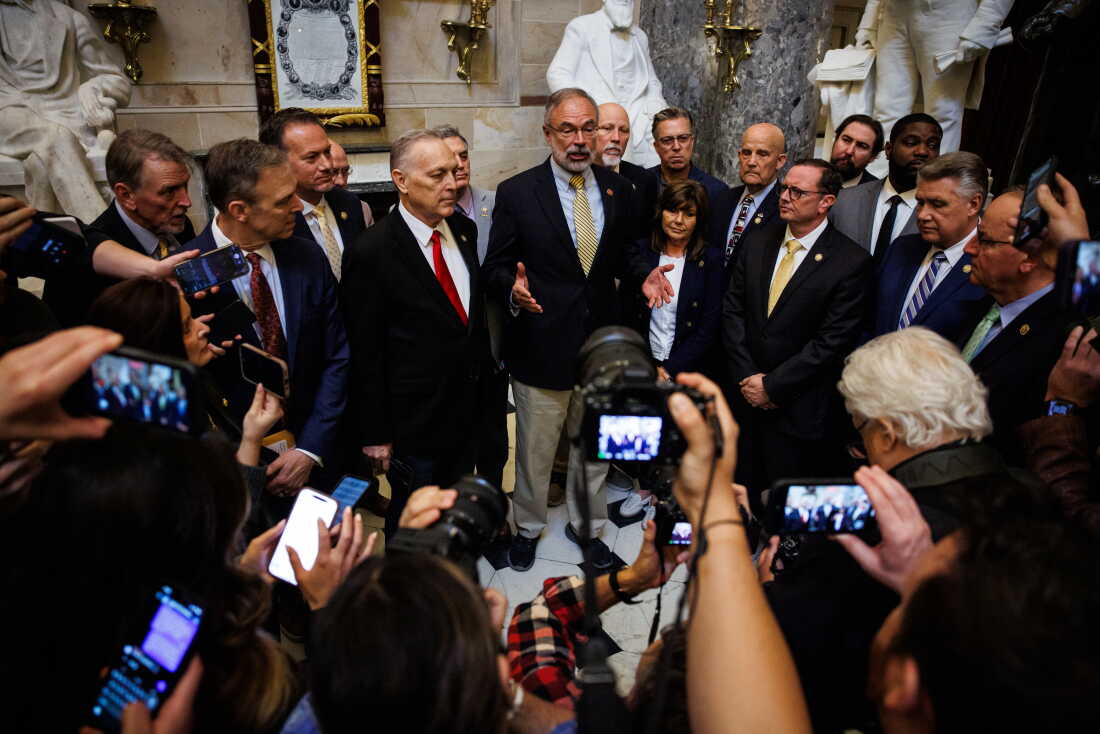
The House Freedom Caucus, a key conservative faction, is undergoing significant changes as several prominent members prepare to depart. This shift places the group at a crossroads, with implications for the Republican party’s future direction.
Formed over a decade ago, the caucus aimed to steer the party right, focusing on social and fiscal policies. Despite evolving priorities, its influence has remained strong. Many members gained senior roles during President Trump’s administration. Notable founders, such as Mick Mulvaney and Mark Meadows, served as White House chiefs of staff, reflecting the group’s impact.
Yet, changes are imminent. At least 10 members won’t return next term, and some face electoral challenges. Critics have speculated about the group’s decline post-2018 and 2020 elections, but it’s persisted. A core tenet remains: rank-and-file lawmakers should play a key role in policy making, a stance that often causes friction with Republican leadership.
In its early days, the Freedom Caucus prioritized executive branch accountability, aiming to curtail perceived overreach by the then Democratic administration. James Fleming highlighted a shift away from this focus, noting the alignment with President Trump’s reform ideas.
Group members have occasionally opposed the White House, particularly on issues like FISA 702 and deficit-impacting legislation, emphasizing some independence. Alumni, like Florida Gov. Ron DeSantis, have become influential figures. This election cycle, three members are gubernatorial candidates, backed by Trump.
The caucus has been defined by its confrontational style, leading former Speaker John Boehner to label them “anarchists.” However, members view their goals as striving for governance that remains true to representative democracy, resisting top-down control.
Reportedly, frustrations existed under Boehner, such as the lack of regular order and bypassing the traditional committee process. This led to a decade-long effort by the caucus to use legislative maneuvers to gain policy concessions.
Changes in the caucus align with shifts in Republican politics. Matt Salmon expressed disappointment over the group transforming from defenders of legislative order to Trump administration supporters, stressing an erosion of original values.
Internal tensions reflect varying strategies among alumni, split between traditionalists and those driven by Trump-like reformation. While some critique leadership centralization, others pursue influence within the enacted constraints.
Departures signal a new phase for the caucus. Though turnover is common, high-profile members exiting may reshape the group’s dynamics. Rep. Ralph Norman remains optimistic, suggesting new members will continue prioritizing fiscal matters.
Founder James Fleming acknowledges potential future shifts in the Republican party and caucus, depending on presidential election outcomes. Departing members, like Chip Roy, envision influencing from outside Congress.
The Freedom Caucus faces transformation, yet remains a pivotal voice in shaping Republican discourse.