House Passes Bill to Increase Benefits for Disabled Veterans
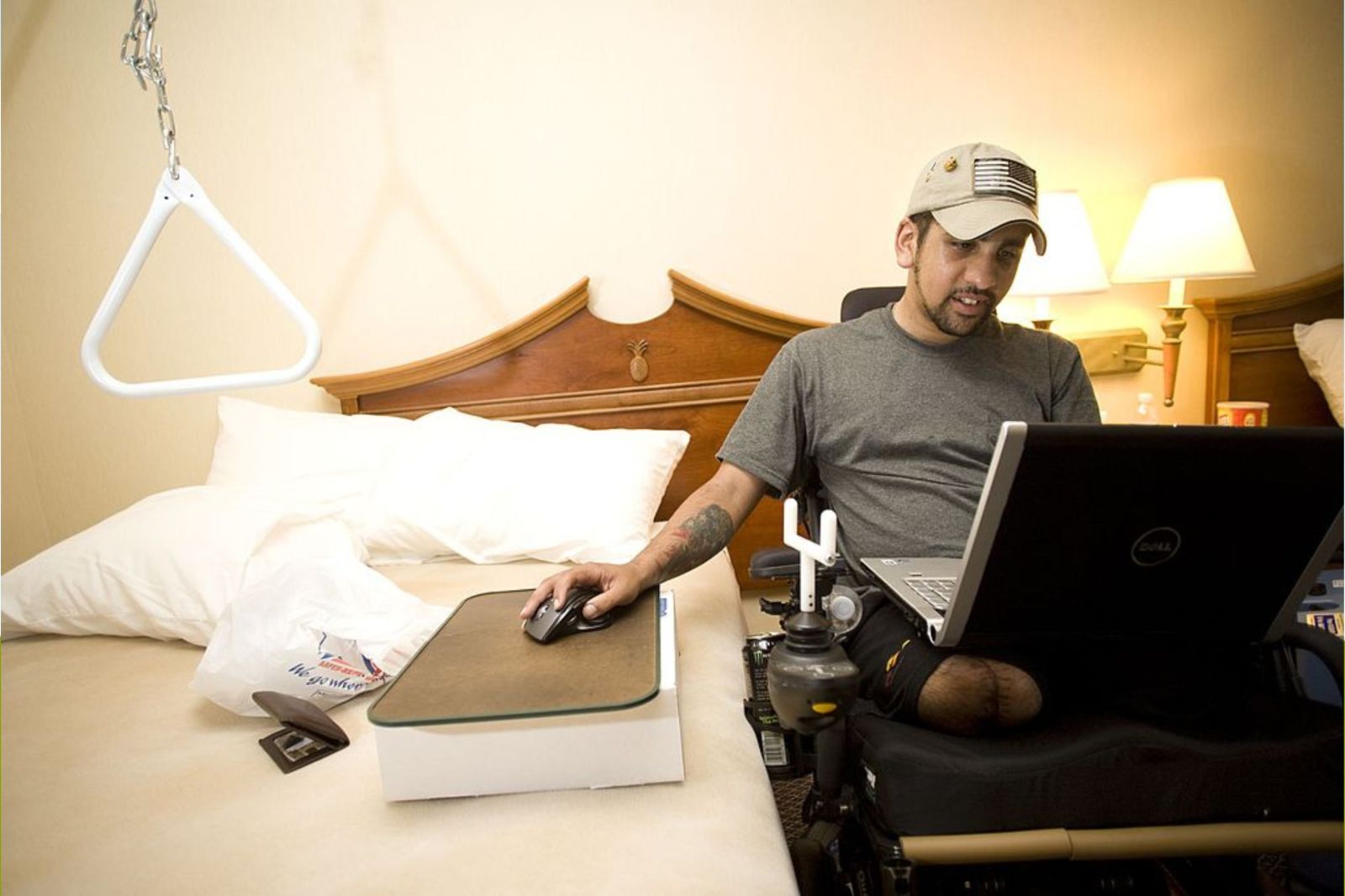
The House of Representatives has approved a bill that would provide severely disabled veterans with an approximate $10,000 yearly increase in benefits. This initiative, led by House Veterans’ Affairs Committee Chairman Representative Mike Bost and bill sponsor Representative Tom Barrett, targets veterans with catastrophic, service-connected injuries needing continuous care. If enacted, this bill would represent the first major non-inflationary increase in these benefits in over two decades.
Background and Importance
Many affected veterans have only seen benefit increases related to cost-of-living adjustments since the early 1990s. They often require round-the-clock caregiving, specialized medical equipment, and daily assistance. Without additional federal support, these expenses can overwhelm their families, according to lawmakers.
Proposed Changes
The legislation, known as the Sharri Briley and Eric Edmundson Veterans Benefits Expansion Act, proposes a $10,000 annual increase in Special Monthly Compensation (SMC) for veterans with severe disabilities. This measure would specifically assist around 7,000 veterans nationwide with conditions such as traumatic brain injuries, paralysis, or multiple limb loss.
In addition, surviving spouses and families would receive a 1.5% increase in Dependency and Indemnity Compensation (DIC). Barrett views the bill as a commitment to better support military families after years without significant benefit increases. He stated, “Our nation can never fully repay the debt we owe to the heroes and families who have served and sacrificed for our freedom.”
Impact on Veterans
If signed into law, the bill would:
- Provide additional monthly income to eligible veterans.
- Enhance financial stability for families offering full-time care.
- Expand support for families of service members who died in the line of duty.
The bill’s implementation would hinge on Senate action and further Congressional negotiations. Alex Beene, a financial literacy instructor at the University of Tennessee at Martin, noted that while $10,000 a year won’t solve every issue, it could significantly impact daily care and related costs for veterans.
Funding Controversy
The benefit increase has widespread support, but the funding method has drawn debate. The legislation’s cost is projected to be in the billions over time. Some proposals to fund the increase involve altering VA home loan fees for certain veterans. Critics argue this could impose new burdens on other veterans.
Kevin Thompson, CEO of 9i Capital Group, explained, “The bill raises supplemental income for veterans with higher disability ratings, but it looks to fund part of that increase by charging higher fees on subsequent VA home loans for veterans rated 70 percent disabled or less.”
Next Steps
The bill has passed the House and now awaits the Senate’s decision. Its fate may depend less on support for veterans and more on reaching consensus about funding without imposing additional burdens on the veteran benefits system. Over 20 veteran service organizations, including the Wounded Warrior Project and Veterans of Foreign Wars, endorse the proposal. As Beene remarked, the challenge lies in agreeing on how to provide the increase financially.