Sheinbaum Faces Critical Political Challenge
In April, the United States took an unprecedented step by indicting Rubén Rocha Moya, the governor of Sinaloa, Mexico. This move shifted away from the usual requests to arrest a fugitive or extradite a drug trafficker. The U.S. demanded that Mexico address the political protection enabling cartel power.
Prosecutors allege that Rocha and other officials in Sinaloa aided drug trafficking and shielded cartel members for bribes and political support. Rocha, a significant member of the ruling party Morena, supposedly won his position with the aid of the Sinaloa Cartel in 2021. Although Rocha denies the accusations, the situation tests Mexico’s sovereignty and strains relations with the U.S.
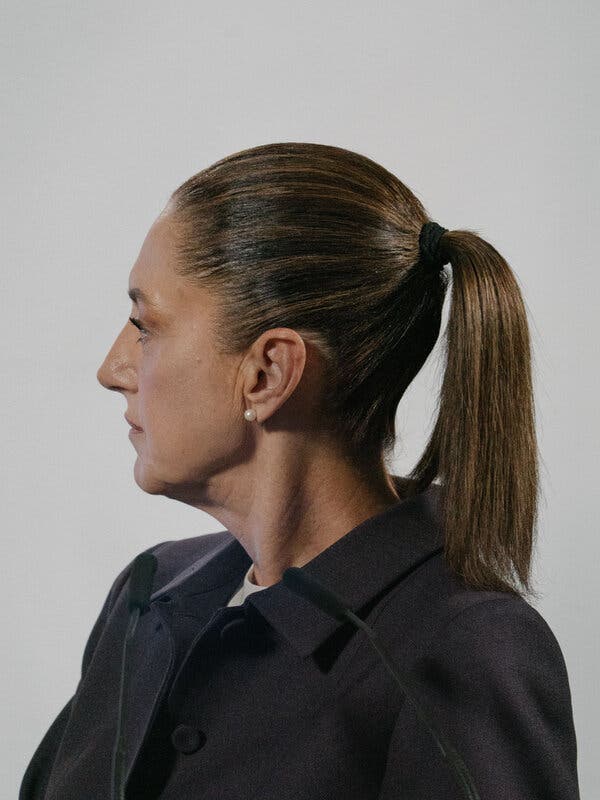
President Claudia Sheinbaum faces a difficult decision. Acting against Rocha by allowing extradition or removing support could fracture her coalition and suggest succumbing to U.S. demands. Yet, ignoring the issue might raise doubts in the U.S. about her stance on cartel corruption.
This situation presents Sheinbaum an opportunity to address internal party issues. Narco-politics existed before her administration. Mexico’s shift to democracy in 2000 weakened previous political controls over organized crime. Cartels exploited this, buying protection and influencing local authorities. A crackdown in 2006 targeted cartels but did not disrupt the political-criminal alliances, leading to widespread violence.
Morena, established by Andrés Manuel López Obrador and now led by Sheinbaum, aimed to renounce that violent past. López Obrador’s “hugs, not bullets” approach focused on social programs rather than confrontation. This strategy, however, inadvertently allowed cartels to broaden their reach and power.
Amidst U.S. pressure through tariffs and criminal prosecutions, Morena faces accusations of the type of corruption it vowed to eliminate.